
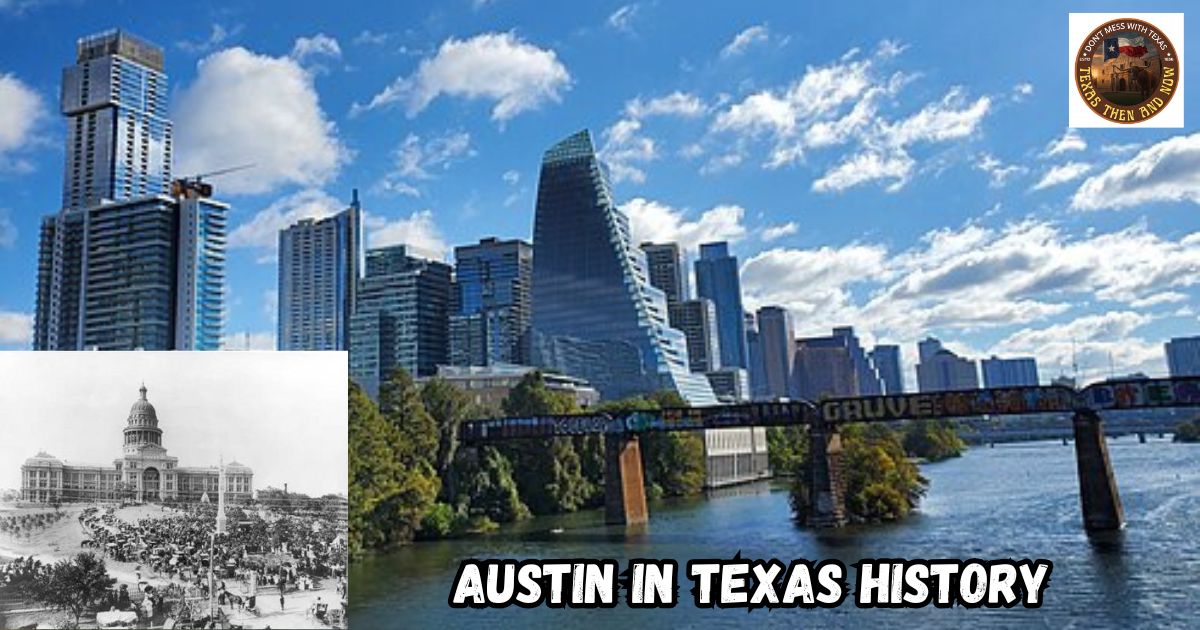
Austin, Texas, is much more than just the state capital. The city blends a colorful history with a culture that’s always thinking outside the box and never afraid to show its quirky side. From its roots as a frontier capital in the 1800s to its status now as a tech hotspot and music playground, Austin’s story ties together everything that makes Texas unique. Let’s jump in and see why Austin stands out so strongly in Texas history, what fuels its creative culture, and which cool spots add to its legend.
Austin’s Place in Texas History
Starting in 1839 as the capital of the Republic of Texas, Austin was meant to anchor the new nation’s westward ambitions. The city took the name of Stephen F. Austin, known as the “Father of Texas,” and quickly claimed a central role in shaping Texas’ direction.
Early days in Austin were about staking ground for independence and carving out an identity distinct from neighboring states. Lively debates and government action happened in buildings like the Texas State Capitol, which still dominates the downtown scene with its pinkish-red granite and Texas-sized pride.
There’s plenty of drama woven into how Austin kept its capital status. In 1842, during what’s called the Archive War, locals refused to let government records be moved back to Houston, loading cannons and standing up for their city. Since then, Austin has stayed the official hub of state government, watching as Texas grew, joined the United States, and rebuilt after the Civil War.
Political and Educational Roots
Politics and education both play major parts in Austin. The State Capitol isn’t just for lawmakers; it’s a symbol showing that Texans take government seriously, but on their own terms. Austin’s political spirit is balanced with its identity as a city full of learning opportunities.
The University of Texas at Austin, which opened in 1883, transformed the city. Students, faculty, and all the spinoff activity created a booming campus culture that’s stayed strong for more than a century. Huston Tillotson University, a historically Black university, started earlier in 1875 and remains a key part of the city’s story. St. Edward’s University throws yet another academic flavor into Austin’s mix.
Growth, Innovation, and “Silicon Hills”
Austin’s always been about much more than politics and schoolwork. By the late 1800s, railroads connected Austin to the rest of Texas; this sparked growth as a trade and supply center. That foundation led to bursts in tech, healthcare, and research industries.
During the 1980s and 90s, major tech companies like IBM, Motorola, and Dell set up shop, and soon enough, the “Silicon Hills” nickname took hold. This tech wave drew people from around the globe, each adding their own flavor to Austin’s fast-paced progress. Today, the city supports everything from worldwide tech companies to creative startups, making sure Austin stays at the forefront of Texas innovation.


Shaping Texas Culture
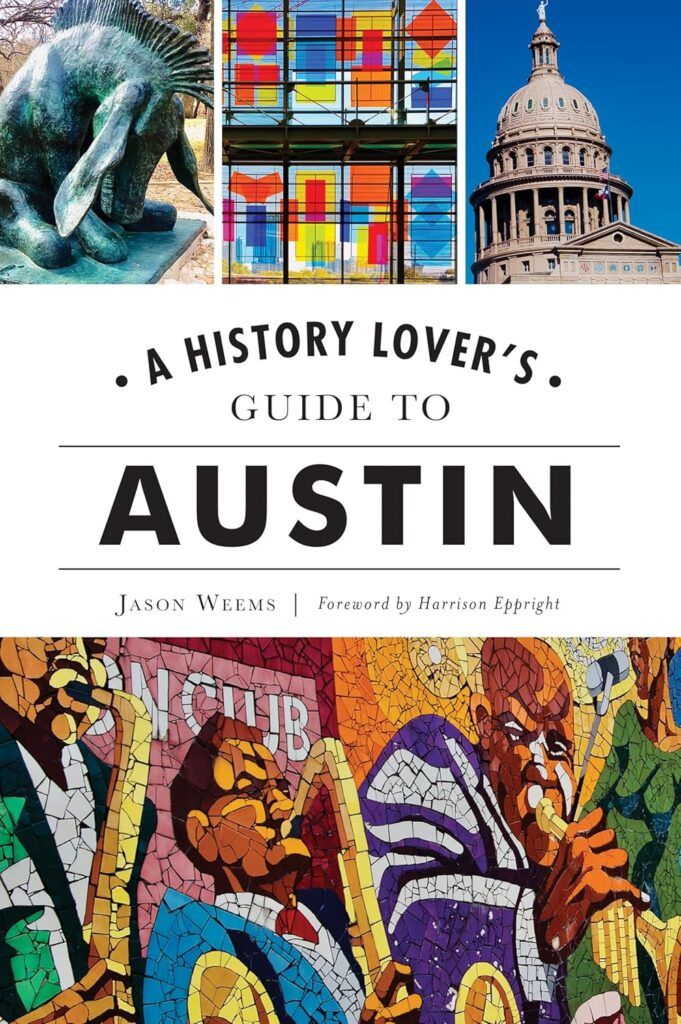
Austin’s creative streak shows up pretty much everywhere. Walk down Sixth Street on a Friday night, and live music spills out of nearly every doorway. The “Live Music Capital of the World” label isn’t just hype. It’s backed up by thousands of musicians, legendary venues, and famous festivals like South by Southwest (SXSW) and Austin City Limits (ACL).
This same creativity fuels Austin’s “Keep Austin Weird” reputation. The city’s open-minded, offbeat spirit pops up in public art, food trucks, vintage shops, and just the way people openly express themselves. It’s a welcoming place for artists, entrepreneurs, and anyone with big ideas or loud guitars.
Events like SXSW go well beyond music, bringing tech pioneers, filmmakers, and creatives from all over the world. The ACL festival blends music legends with new acts for weekends of non-stop crowds and unforgettable moments. These festivals bring a serious boost to Austin’s economy and help cement the city’s spot as Texas’ cultural playground.
Outdoor and Natural Landmarks
Nature is a big part of what makes Austin feel alive. Barton Springs Pool, fed by underground springs, has cooled off locals for generations, no matter how hot the summer gets. Lady Bird Lake offers kayaking, paddleboarding, and one of the prettiest skyline views in Texas.
Zilker Park, right in the heart of the city, is a top spot for picnics, jogging, and festivals. It’s the type of place where you’ll find yoga classes on the lawn, food vendors serving up TexMex, and crowds gathering for marathon concerts. Trails, greenbelts, and wildflower fields around Austin give the city its laidback, outdoorsy energy. Any weekend, you’ll spot folks swimming, hiking, and biking as part of everyday life.
Historic Sites and Local Legends
Austin’s packed with historic highlights that help tell Texas’ bigger story. Here are a few standouts:
- Texas State Capitol: This towering building is home to Texas politics and is open for free tours, so anyone can soak in the state’s history and cool vibes.
- Barton Springs Pool: Besides being a local favorite for swimming, it’s a proud symbol of keeping things natural right in the city’s center.
- Bullock Texas State History Museum: Great spot to dig into Texas history, with artifacts, changing exhibits, and an IMAX theater covering everything from cowboy tales to space exploration.
- LBJ Presidential Library: On the UT campus, the library holds documents and exhibits tracking President Lyndon B. Johnson and modern politics in Texas and the US.
- Sixth Street Historic District: Known for nightlife and music, but it’s also packed with historic buildings and a classic bar scene.
- Clarksville: Founded by freed slaves after the Civil War, Clarksville is the oldest surviving freedomtown west of the Mississippi, and its story brings important context to Austin’s fight for human rights.
Austin’s Vibe Today: A Fast-Growing, Diverse City
Austin stands out as one of the fastest-growing cities in the US. People are drawn by job opportunities, the creative scene, tasty food, lively neighborhoods, and a “weirdness” that makes life here never dull. New folks bring their backgrounds, while longtime Austinites keep city traditions going and mix in new trends. Growth has its challenges, like crowded roads and pricier homes, but locals do their best to keep Austin fun and accessible for all kinds of people.
Things to Know When Visiting or Moving to Austin
- Weather: Summers get seriously hot (triple digits happen a lot), and winters are usually mild, so keep water with you everywhere.
- Getting around: Public transit keeps getting better, but lots of people still drive, and traffic can get packed, especially during festivals or big UT football games.
- Neighborhoods: Every part of Austin has its own vibe. South Congress (SoCo) is all about shopping and great food, East Austin shows off creativity and diversity, while downtown stays lively day and night.
- Food scene: Tacos, barbecue, vegan eats, and international flavors are everywhere. Don’t miss out on breakfast tacos or brisket; ask locals for their favorite hidden gems.
Frequently Asked Questions About Austin’s Role in Texas History
Why was Austin chosen as the capital of Texas?
Leaders picked Austin to promote development further west and avoid putting the capital too near Mexico or older colonial centers. Its central spot, access to water, and plenty of open land made it both symbolic and practical.
What makes Austin’s music scene so unique?
Austin’s music culture is built on accessibility. Musicians can easily track down venues, the city encourages fresh talent, and there’s always an audience hungry for something new. Festivals and a build-your-own-scene attitude help keep everything feeling new and lively.
How did Austin become a tech hub?
Since the 1980s, tech companies have picked Austin for its skilled workforce, supportive business climate, and top university network. Over time, more startups and big names built a network effect that still brings talent to the city today.
Where can visitors experience Austin’s natural side?
The standout nature spots include Barton Springs Pool, Lady Bird Lake, and Zilker Park. The city’s trail and greenbelt network means hiking and biking are everyday fun, and even central neighborhoods have old trees and parks for cooling off and relaxing.
Wrapping up, Austin’s mix of creative energy, history, and natural beauty sets it apart from the rest of Texas. Whether you’re coming for work, music, food, or just to see something different, you’ll find plenty to love in this eye-catching Texas capital.
Most Recent Articles:
- Texas Folklife Festival: Preserving Traditions

- Rodeo Events That Celebrate Texas Culture

- Texas Historic Cattle Drives And Cowboy Festivals
- Fiesta De La Flor: Honoring Selena And Tejano Heritage

- Battle Of Gonzales Reenactment: Preserving History

- Texas Renaissance Festival: A Historical Experience

As always, stay safe, enjoy the journey, and please try to leave Texas cleaner than you found it. If you have any comments, questions, ideas, or suggestions, please leave them in the comment section below, and I’ll get back to you ASAP. You can follow us on TikTok @texasthenandnow or YouTube @TexasThenandNow for videos of all things Texas.
P.S. Thanks so much for checking out our blog; we really appreciate it. Just so you know, we may receive a commission if you click on some of the links that appear on our site. This helps us keep our content free and up-to-date for everyone. We appreciate your support!
