

San Antonio has a one-of-a-kind history that traces back to its days as a Spanish colonial outpost. What makes the city interesting for anyone who loves heritage is how you can still see, touch, and experience Texas’s early colonial period in the streets, buildings, and even along the river. From the famous Alamo to cozy spots like La Villita, San Antonio layers Spanish, Mexican, and indigenous influences that make exploring its colonial heritage super rewarding.
San Antonio’s Colonial Foundations
Looking at San Antonio today, it’s easy to forget it started as little more than a riverside frontier outpost. Its roots trace back to 1718, when Spanish missionaries and soldiers set up Mission San Antonio de Valero (which most folks know as the Alamo).
Over the years, four more missions sprouted up along the river, aiming to convert indigenous people and claim new ground for Spain. Before long, the Spanish built San Antonio de Bexar Presidio in 1722 to shield the settlements and missions from raids or rival powers.
In 1731, a group of Canary Islanders arrived and formed Villa de San Fernando, creating the first organized civil government in Texas, right where today’s downtown sits. By the mid-1700s, the Spanish Governor’s Palace was the heart of colonial authority, blending traditional Spanish design with frontier practicality.
Spanish Missions Along the San Antonio River
The five Spanish missions are the heart of San Antonio’s colonial story. They’re unique because, unlike many historic buildings, these places aren’t tucked behind velvet ropes; they’re living, open pieces of the city. Here’s a quick rundown:
- The Alamo (Mission San Antonio de Valero): This is one of the most famous landmarks in the U.S., best known for the 1836 Texas Revolution battle. But before that, it was a lively 18th-century mission. The Alamo’s old chapel, gardens, and museums show early colonial life and dramatic struggles.
- Mission San José: Called the “Queen of the Missions,” San José is the largest and most complete mission site. Its Rose Window and elaborate stone church are must-sees if you want to check out the artistry of the period.
- Mission Concepción: With the oldest unrestored stone church in America, this mission is packed with original frescoes (wall paintings) that visitors can still spot. There’s a subtle beauty in the stonework, and it is perfect for a relaxed afternoon stroll.
- Mission San Juan Capistrano: San Juan’s white church and working farm area shine a light on daily mission life, featuring orchards and irrigation ditches still in use today.
- Mission Espada: The smallest and southernmost mission is known for its Espada Aqueduct, which has been moving water along a working acequia (irrigation canal) for over 275 years.
All but the Alamo are part of the San Antonio Missions National Historical Park. The Mission Reach trail, an eight-mile stretch for biking and walking, links them together, making it easy to cover all sites with a little planning.
Key Structures from the Colonial Era
The missions weren’t the only focal point during Spanish colonial times. Downtown San Antonio offers architectural gems that channel the past:
- Spanish Governor’s Palace: This is the only remaining structure of its type in Texas. Its thick limestone walls, hand-carved doors, and peaceful interior courtyard create a real sense of colonial official life. Many visitors love how it mixes elegance with rugged frontier character.
- San Fernando Cathedral: Built in 1731, this church, still an active place of worship, anchors Main Plaza and ranks among the country’s oldest cathedrals. Its interior and tombs root visitors firmly in early Texan history, and the evening light show projects eye-catching colors across the stone front.
Historic Districts with Colonial Roots
San Antonio’s colonial sites aren’t always grand or huge. Plenty of subtle reminders are woven into daily city life. Several neighborhoods and districts let visitors get a sense of these layers:
- La Villita Historic Village: Once a settlement for indigenous locals and then home to Spanish soldiers and families, La Villita is now a vibrant arts district by the River Walk. Its cobblestone streets, compact plazas, and houses made from adobe and native stone make it easy to picture an earlier era. You’ll stumble upon shops, galleries, and regular arts festivals throughout the year.
- Historic Market Square (El Mercado): With its lively plaza and bustling stalls, this area celebrates the city’s Mexican and colonial roots. Market Square claims the title of America’s largest Mexican market and bursts with music, bright decor, food vendors, and local artists. The tradition of open-air markets comes right from the original Spanish colonial playbook.
- Acequias (Irrigation Ditches): The acequia system was vital for making the missions and the city work. Some channels still flow, visible at Mission San Juan and Mission San José. They carried water for crops and gardens,s and are a brilliant mix of Spanish engineering and indigenous knowledge.
What To See: Top Colonial Attractions in San Antonio
With so many early San Antonio landmarks still around, it’s easy to fill a couple of days exploring. Here’s what rises to the top of any colonial sights list:
- The Alamo: Start with the heavy hitter. The main chapel, Long Barrack, and gardens give a look at Texas’s turning points and everyday mission life. The museum delivers artifacts, hands-on exhibits, and more backstory than most textbooks.
- Mission San José: Standout for its size, beautiful grounds, and the famous Rose Window. Rangers lead free daily tours, great for getting background and connecting the dots between past and present.
- Mission Concepción: Known for stunning stonework and faded murals. On some Sundays, mariachi Masses fill the sanctuary and are open to everyone.
- Spanish Governor’s Palace: A short walk from the River Walk, this site is ideal if you want to zero in on colonial government life, period style, and luscious gardens.
- San Fernando Cathedral: Great during the day, but don’t miss the “San Antonio|The Saga” light show running several nights weekly, offering bold visuals and storytelling.
- River Walk and La Villita: The stretch along the San Antonio River connects most sites, and La Villita packs shopping, arts, and historic vibes into a few lively blocks.
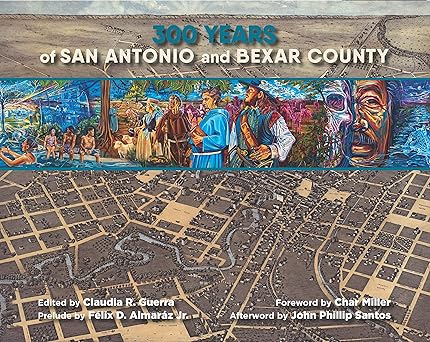
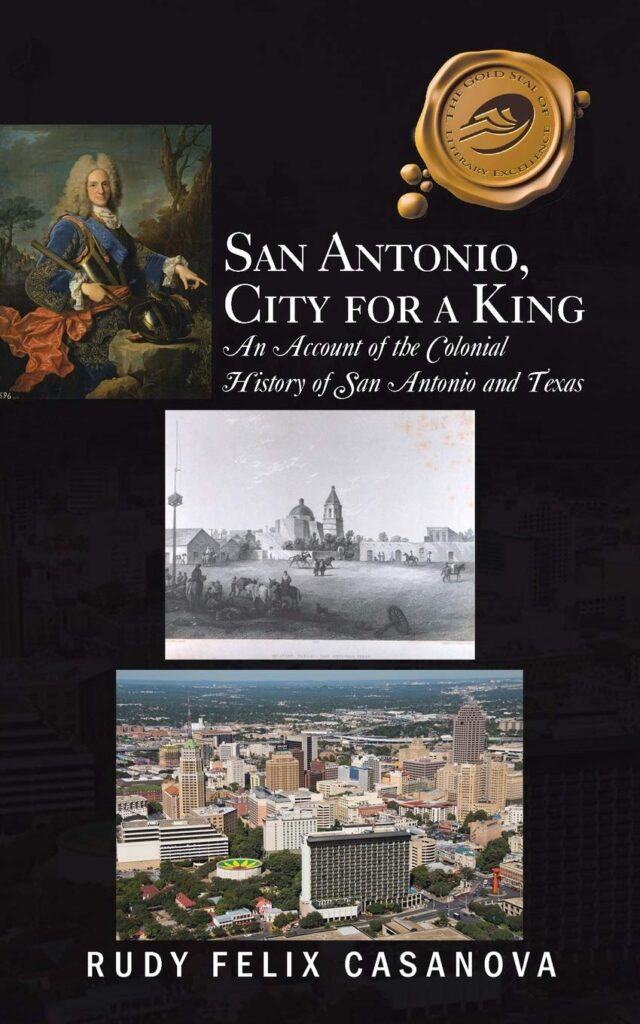
Recommended Reading and Resources:

Spanish, Mexican, and Indigenous Blends in Culture
Beyond the buildings, San Antonio’s colonial heritage lives on in daily culture. Traditions like the city’s vibrant Fiesta celebrations and family recipes mixing Spanish spices with local ingredients all stem from colonial roots. Week in and week out, you’ll find live music, markets, and arts events, especially at Market Square and La Villita, that keep the city’s heritage front and center.
Visiting Tips for History Buffs
Whether you prefer relaxed exploring or a more all-in-one tour, San Antonio is easy to enjoy for history lovers. Check out these quick tips:
- Grab a San Antonio Missions map at a visitor center, or download their self-guided app so you can go at your own speed.
- The Mission Reach trail is perfect for biking between sites. It’s a smooth ride with plenty of native wildflowers and art along the way.
- Sign up for ranger-led talks at each mission. They are full of fun facts and nuggets you’d probably miss on your own.
- Market Square buzzes most on weekends. While you take it all in, sample local faves like pan dulce or fresh tamales.
- Start your day early to beat crowds at major attractions like the Alamo and San José, especially during busy seasons.
- Take in Fiesta San Antonio, a week-long celebration of San Antonio’s history, culture, and food scene.
Frequently Asked Questions
What makes San Antonio’s colonial missions stand apart from others in the U.S.?
San Antonio’s missions form the largest cluster of preserved Spanish colonial sites in North America, and they blend Spanish styles with Native American building skills and traditions. The Mission Reach ties them all together in one continuous trek along the river, something rare in the United States.
Are all the missions open to the public?
Yes, they are! Except for the Alamo, which runs solo, the other four missions are part of the national historical park and are free to visit. Many even have active congregations and regular Masses.
Is San Antonio’s colonial heritage recognized internationally?
Absolutely. The San Antonio Missions, including the Alamo, gained UNESCO World Heritage Site status in 2015, cementing their importance for culture and history worldwide.
What’s the best way to learn about colonial life beyond just walking the sites?
Join a ranger or docent tour, watch reenactments if you’re there during a festival, or check out the small museums at the missions and Governor’s Palace. These opportunities give a deeper look than a self-guided visit.
Exploring San Antonio’s Colonial Past Today
Stumbling upon San Antonio’s colonial history is much more than checking off spots on a list. It’s a way to see how early settlers, indigenous communities, and new arrivals shaped a city with roots that run deep. Whether you’re a history geek, an architecture enthusiast, or just want to check out somewhere memorable.
Digging into these Spanish colonial sites gives you a real sense of where Texas began. Bring comfy shoes, charge your phone, and get set to track down a side of San Antonio that continues to shape its culture, spirit, and daily rhythm.
Most Recent Articles:
- Texas Folklife Festival: Preserving Traditions
- Rodeo Events That Celebrate Texas Culture

- Texas Historic Cattle Drives And Cowboy Festivals

- Fiesta De La Flor: Honoring Selena And Tejano Heritage

- Battle Of Gonzales Reenactment: Preserving History
- Texas Renaissance Festival: A Historical Experience

As always, stay safe, enjoy the journey, and please try to leave Texas cleaner than you found it. If you have any comments, questions, ideas, or suggestions, please leave them in the comment section below, and I’ll get back to you ASAP. You can follow us on TikTok @texasthenandnow or YouTube @TexasThenandNow for videos of all things Texas.
P.S. Thanks so much for checking out our blog; we really appreciate it. Just so you know, we may receive a commission if you click on some of the links that appear on our site. This helps us keep our content free and up-to-date for everyone. We appreciate your support!
