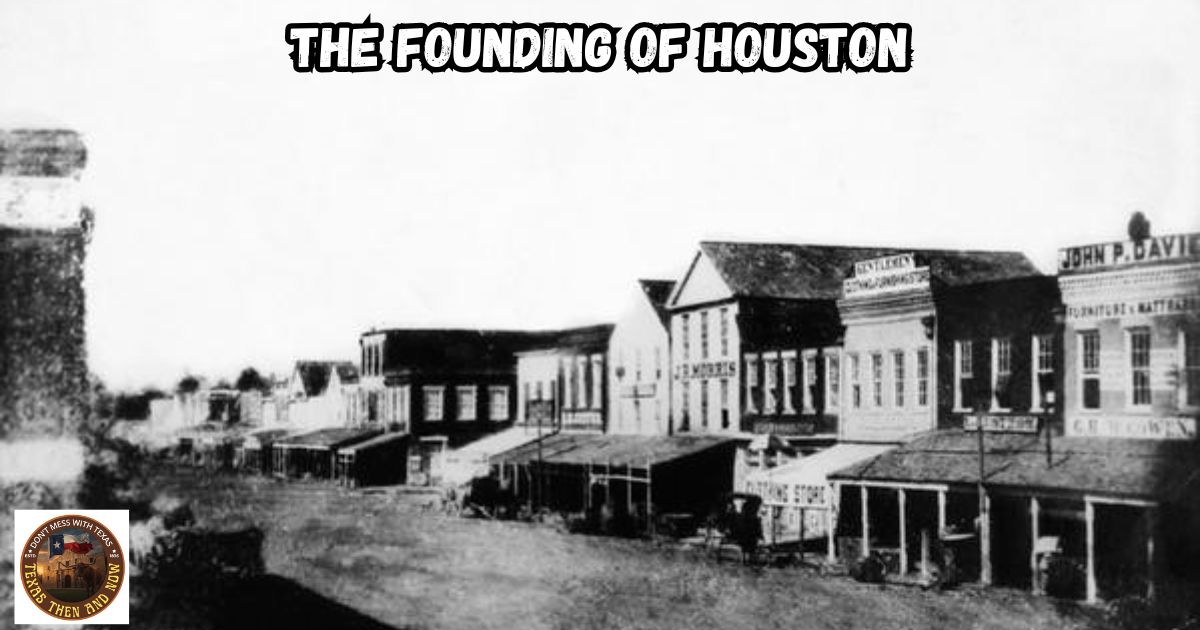
Houston’s story begins in a pretty unexpected way: with two ambitious brothers from New York, a swampy patch of land, and a strong belief in the future of Texas. Built along the Buffalo Bayou, Houston transformed from a muddy trading spot into a buzzing city with global reach. The process was anything but smooth, but the city’s path from “Bayou City” to one of America’s largest and most diverse metros is full of moments worth knowing.
Founding Houston and The Allen Brothers’ Vision
Back in August 1836, Augustus Chapman Allen and John Kirby Allen bought just over 6,600 acres of marshy land where Buffalo Bayou meets White Oak Bayou. They weren’t just chasing real estate; they wanted to build a city from scratch and name it after Sam Houston, who was the hero of the recent Battle of San Jacinto and already a local legend.
For about $5,000, they secured what they hoped would become the next powerhouse in the young Republic of Texas. The chosen spot might have looked wild and impractical at first, thick with mosquitoes, heat, and humidity. Still, these brothers saw something others didn’t.
The spot was high enough to avoid regular flooding and perfectly placed for a future riverside trade center. Early maps even showed off “Allen’s Landing,” the city’s symbolic birthplace. That’s where goods, steamboats, and fresh hopes first landed in Houston.
The Allens didn’t just dream, they got busy. They mapped out city blocks, set aside land for a courthouse, and published ads in newspapers across Texas and Louisiana, inviting businesses and settlers to come build a future along the bayou.
Early Struggles and “Bayou City” Beginnings
Houston’s first few years were all about ambition battling the setting. The Allen brothers worked hard to promote their new city, offering land at a discount to those willing to settle and invest. The promise of commerce and growth drew in all sorts of folks: merchants, fortune-seekers, and new Texans wanting excitement and a future.
Houston’s early reputation as a “Bayou City” had both pros and cons. The city earned its nickname for the many waterways cutting through the land, providing ways to ship goods but also plenty of mud whenever it rained. Life was tough, and yellow fever outbreaks, muddy roads, and the intense summers didn’t help.
Still, the Allens’ vision paid off. By 1837, Houston became the capital of the Republic of Texas, if only for a couple of years. This raised its profile, brought new residents, and made investment a lot more attractive. During this period, community life often centered on modest wooden buildings, basic churches, and the hustle of river traffic.
Despite setbacks from disease and storms, residents built a network of roads extending outward, setting the stage for Houston’s future growth. The city slowly took shape, balancing moments of hope with real struggles.
From Trading Post to Regional Hub
After its quick stint as Texas’ capital (1837–1839), Houston started to focus on what it did best: business and commerce. Using its bayou location smartly, it became a pass-through for farm goods, mainly cotton and hides, moving from inland out to the coast, especially the port at Galveston.
A steady stream of steamboats brought in products and news, with stores popping up along the muddy riverbanks. By the 1850s and 1860s, Houston had something new going for it: railroads. The city became a link between Texas’ interior and the Gulf Coast, spurring slogans like “where 17 railroads meet the sea.”
After the Civil War, a burst of timber and cotton exports helped Houston recover and even expand, pulling in even more people and investment from around the country. The arrival of rail lines made it much easier to move goods and people to and from the city.
This development also led to the growth of new neighborhoods and commercial districts, which slowly blended together to make the city larger and more connected. Growth wasn’t always fast, but Houston’s position as a link between multiple regions kept it front and center in Texas economics.
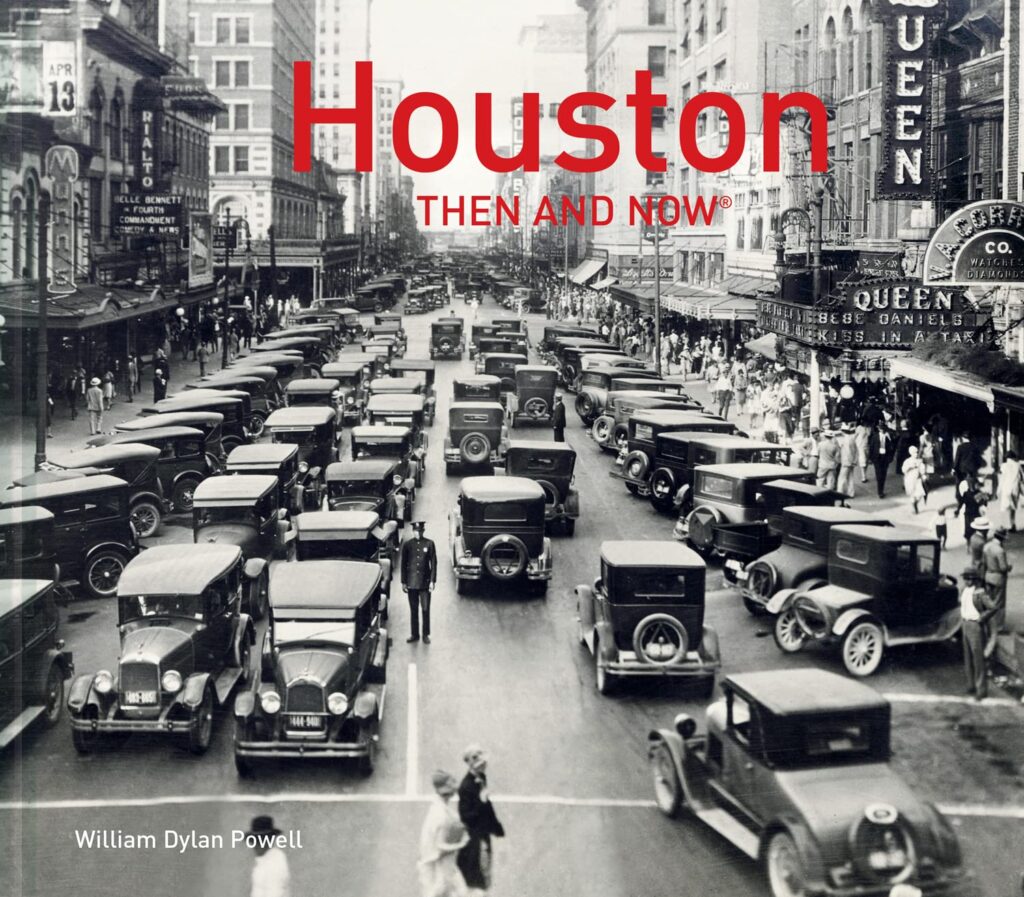
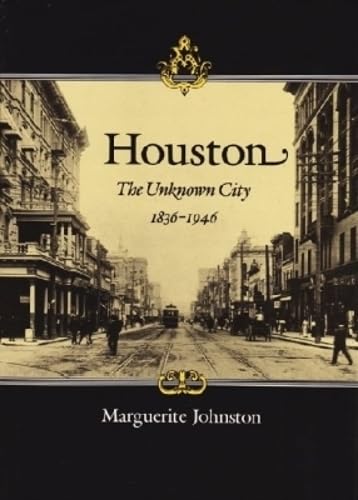
Recommended Reading and Resources:

Oil, Ship Channel, and the Big Boom
The start of the 20th century brought huge changes nobody could have seen coming. When the 1900 hurricane devastated nearby Galveston, shipping and business were forced inland, giving Houston a chance to shine. The discovery of oil at Spindletop (near Beaumont) in 1901 was a game-changer, and big oil companies started making Houston their home base.
Suddenly, those once-muddy bayous became valuable shipping routes for oil, cotton, and more. An even bigger milestone came in 1914 with the completion of the deepwater Houston Ship Channel. President Woodrow Wilson officially opened it with a telegram from Washington.
The channel turned Houston’s inland waterway system into a global port, making it possible for ships from around the world to reach the city directly, no longer needing to stop at Galveston first. This move supercharged Houston’s economy and transformed its skyline with oil refineries, banks, and warehouses.
The Ship Channel’s success kicked off decades of economic expansion. New neighborhoods sprang up, more jobs appeared, and Houston’s population kept climbing. As more people arrived, so did businesses—restaurants, theaters, hotels, and civic institutions appeared to meet the growing city’s needs.
Building a Modern Metropolis: Aerospace, Medicine, and Cultural Growth
Houston didn’t stop at oil. By the mid-1900s, the city was ready to grow in other directions. In 1945, the Texas Medical Center was established. Today, it’s the world’s largest group of hospitals and research institutions, bringing in doctors, patients, and scientists from everywhere. Research, life sciences, and innovation became a huge part of local life.
The city soared into new territory with the arrival of NASA’s Manned Spacecraft Center in 1961 (now Johnson Space Center). The nickname “Space City” caught on quickly, and Houston was mentioned famously during the Apollo 11 moon landing. The city’s role in space and science brought even more people, ideas, and business.
Houston’s population also exploded after World War II. By 1930, it had already become Texas’ largest city. Since then, waves of new residents from other states and worldwide have made it into one of the most diverse and fast-growing cities anywhere in the U.S. Its food, music, arts, and neighborhoods reflect this rich mix of influences and stories.
Today, you can see the mark of these decades in Houston’s world-class museums, theaters, and sports teams. The city’s festivals and events highlight traditions from every corner of the globe, making it a place both rooted in Texas history and always open to new ideas.
What Makes Houston Unique Today
- Shipping and Industry: Houston is still a massive port, a top spot for shipping, and one of the world’s busiest seaports.
- Medical and Research: The Texas Medical Center has shaped global health and medicine. Many big breakthroughs started right here.
- Aerospace Leadership: NASA brought international attention and solidified Houston’s place in space exploration history.
- Cultural Hotspot: Diversity powers the food scene, festivals, art, and music. No matter where you’re from, you fit right in.
How Houston’s Past Influences Its Future
Every step of Houston’s growth came from making the most of challenges, whether it was draining a swamp, building railroads, or opening up space exploration to the world. The drive to adapt and push forward has stuck with the city to this day.
Houston faces flooding and weather issues even now, but the community’s ability to work together and think outside the box keeps it moving ahead. This flexible, welcoming attitude is one of the best parts about living or visiting here. The future looks just as bold.
Houston invests in green spaces, public transportation, and tech innovation—efforts that build on its history of looking past obstacles and welcoming fresh ideas from everywhere. Residents pride themselves on overcoming challenges, whether rebuilding after storms or rethinking the city’s infrastructure.
Frequently Asked Questions About Houston’s Founding and Growth
How did Houston get its name?
Houston was named for Sam Houston, the general who led Texas to victory at the Battle of San Jacinto and became the first president of the Republic of Texas.
Why was Houston chosen as the capital?
Houston became the capital because the Allen brothers marketed it heavily and offered incentives, and it was seen as a promising trading center for the new Republic’s future growth.
What made Houston grow so fast?
The city’s bayou location, railroads, the oil boom, the Ship Channel, and investments in industries like medicine and aerospace all drew in people and businesses from around the world.
What does “Bayou City” mean?
“Bayou City” refers to Houston’s many waterways, especially Buffalo and White Oak bayous, which shaped early trade, transportation, and the city’s identity.
Houston’s Founding Legacy Today
Houston’s adventure from a stagecoach stop in the swamp to a leader in shipping, energy, medicine, and space isn’t just a history lesson. It’s a reminder that big risks and a willingness to welcome new ideas keep cities thriving. Whether you live here or are just visiting, you can see this mix of ambition and adaptability everywhere: in its skyline, neighborhoods, and the kindness of the people.
If you’re ever strolling along Allen’s Landing or checking out the Museum District, it’s worth remembering that Houston’s rise came from seeing possibility in unlikely places. That same creative drive keeps moving the whole city forward.
Most Recent Articles:
- Texas Folklife Festival: Preserving Traditions
- Rodeo Events That Celebrate Texas Culture

- Texas Historic Cattle Drives And Cowboy Festivals
- Fiesta De La Flor: Honoring Selena And Tejano Heritage

- Battle Of Gonzales Reenactment: Preserving History
- Texas Renaissance Festival: A Historical Experience

As always, stay safe, enjoy the journey, and please try to leave Texas cleaner than you found it. If you have any comments, questions, ideas, or suggestions, please leave them in the comment section below, and I’ll get back to you ASAP. You can follow us on TikTok @texasthenandnow or YouTube @TexasThenandNow for videos of all things Texas.
P.S. Thanks so much for checking out our blog; we really appreciate it. Just so you know, we may receive a commission if you click on some of the links that appear on our site. This helps us keep our content free and up-to-date for everyone. We appreciate your support!
