
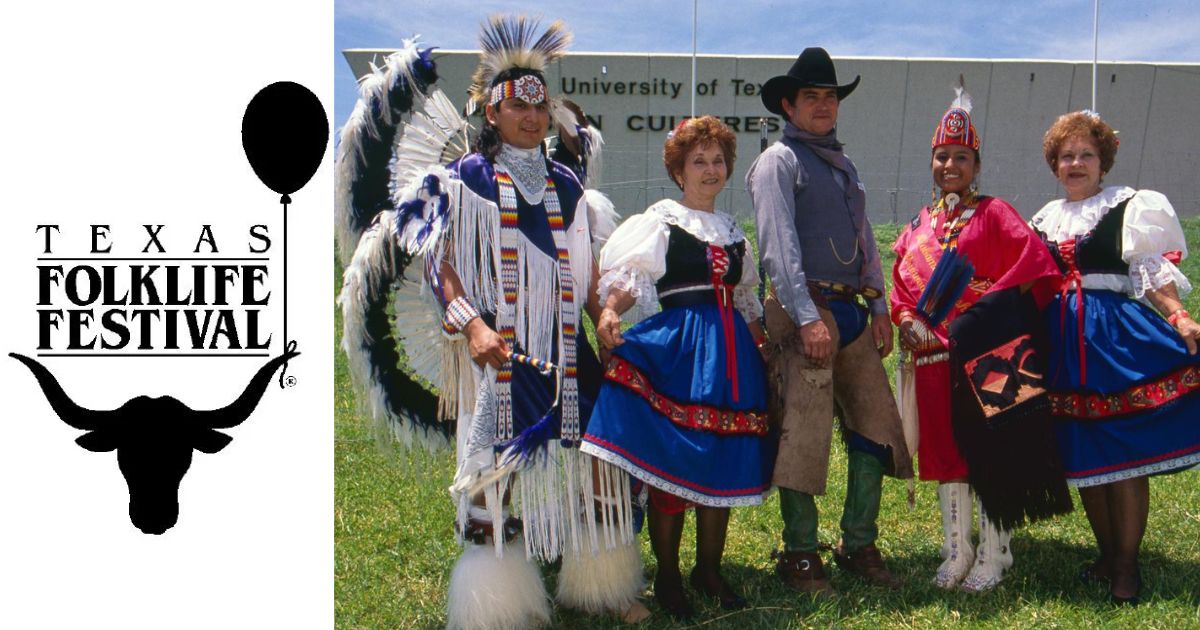
If you want to experience the spirit of Texas and get a real taste of its cultural diversity, the Texas Folklife Festival is one event that always delivers. Since 1972, it’s been a lively showcase of music, dance, craft, and food from more than 40 different ethnic communities. Every summer, this event is filled with the sounds of polka, the smell of fresh corn tortillas, and the buzz of hands-on activities that make every visitor feel connected to the state’s rich history.
The Origins and Purpose of the Texas Folklife Festival
The Texas Folklife Festival isn’t just a regular fair; it’s rooted in a mission to preserve and share the living traditions of the state. Inspired by the Smithsonian’s Festival of American Folklife, the event got its start in San Antonio, thanks to the Institute of Texan Cultures.
The goal has always been about bringing heritage to life, turning what could be a history lesson into a giant, welcoming celebration. Over the years, I’ve seen families return generation after generation, drawn by the festival’s community vibe and nonstop creativity.
The National Endowment for the Arts has even recognized Texas Folklife, the nonprofit behind these efforts, for how it highlights Texas’s “mosaic of traditions.” By working directly with culture bearers and tradition keepers, the festival makes it possible for these skills and stories to last long after the last tent comes down each year. The sense of belonging created at the festival goes a long way toward keeping these traditions alive, even as Texas itself changes and grows more diverse.
Programs That Power Preservation
Texas Folklife uses more than just the festival to keep traditions going strong. Some of their coolest programs really help keep older skills, music, and crafts in regular practice. Here’s a breakdown of the main ones:
- Apprenticeship Programs: Experienced artists or craftspeople mentor motivated learners. For example, I’ve watched master accordionists teach teenage musicians classic conjunto tunes, passing down not just notes, but a whole way of life. This hands-on training is crucial when so many traditional arts risk being forgotten.
- Community Folklife Fellowship: This one trains folks from different backgrounds to document and share the stories, art, and foodways from their own hometowns. Projects get featured on the “Folklorist Next Door” podcast, which is worth checking out for unique Texas stories you won’t hear anywhere else. Completing the fellowship actually builds bridges across communities and helps people feel proud of their roots.
- The Big Squeeze: Accordion music is huge in Texas, from zydeco to Tejano. This statewide contest puts a spotlight on young musicians and gives them a big platform. I’ve been to a few finals, and the energy is always off the charts; plus, it’s a fun way to learn about Creole, conjunto, and Cajun styles all at once.
- Folk Art & Health Collaboration: This newer project pairs artists with health professionals to give a boost to well-being using food heritage workshops, quilting circles, or group music sessions. It’s less about exhibiting a finished object and more about making sure traditions actually help communities live better today.
Anatomy of the Festival & What Makes It Special
Visiting the Texas Folklife Festival is like jumping into a moving time capsule. The event is packed with live demonstrations and performances that encourage everyone, from three to ninety-three, to take part and have a blast.
Some festival highlights:
- Music and Dance: You’ll hear everything from polka and mariachi to country swing and blues. Watching a clogging troupe or zydeco band up close always gets the crowd going. The music isn’t just a background track; it’s central to the festival experience, inviting everyone to clap, stomp, or jump in and dance along.
- Artisan Demonstrations: Every year, craftspeople show off trades that might otherwise fade away. Blacksmiths forge tools before your eyes, weavers demonstrate handlooming, and cooks share old family recipes for tamales or Czech kolaches. These moments let visitors see for themselves how much skill and heart go into keeping tradition alive.
- Foodways: One of my favorite things is sampling dishes that you rarely find together anywhere else. Lebanese kebabs, German sausages, and Vietnamese spring rolls all in one spot make for a cross-cultural feast you won’t forget. Each booth is usually run by folks whose families have shaped these traditions for generations.
- Handson Workshops: Kids and adults can try candle making, basket weaving, jam sessions, or dance lessons. I’ve joined a group two-step before, and trust me, it’s impossible not to have fun with this crowd. The workshops are set up so that anyone, no matter their background, can jump in and learn something new.
The Expanding Reach of Festivals, Education, and Community Impact
Texas Folklife supports cultural exchange outside of just the San Antonio festival. They team up with local museums, like the Bullock in Austin, and host events year-round, including the Fiestas Navideñas holiday series. These satellite festivals bring traditions to places where smaller communities might not have their own large-scale celebrations.
In doing so, Texas Folklife helps ensure nobody misses out, no matter where they live in the state. There’s also a big focus on educational outreach. I’ve seen teachers use festival resources in the classroom, and Texas Folklife offers workshops for both educators and students.
All of this makes it easier for the next generation to stumble upon their own heritage or learn about their neighbors’ cultures, helping kids see how their stories and music are part of the bigger picture. Community storytelling is another major part of the mission. Through documentation projects, Texas Folklife makes sure the stories, music, and foodways of smaller or rural towns get recorded for future generations.
Whether it’s collecting oral histories or photographing local artists at work, these records help broaden what people think of when they picture “Texan culture.” By keeping these archives active and growing, the organization helps give a voice to every part of the state.
Frequently Asked Questions About the Texas Folklife Festival
Anyone curious about the Texas Folklife Festival usually has a few questions, especially if they’re planning their first visit. Here’s what I get asked the most:
What can I expect if I go to the festival?
The event is high-energy, a little bit noisy (in a good way), and packed with food, workshops, and performances. Kids are welcome, and almost every activity is hands-on or interactive. No matter what your background is, you’ll find something to enjoy or learn. The atmosphere is welcoming, and you might track down a new favorite dish or meet people from across the state and the world.
How does the festival actually preserve traditions?
The focus is on participation. Artists and tradition bearers don’t just demonstrate; they teach, share stories, and welcome everyone in. Programs like apprenticeships and fellowships mean traditions keep growing outside the festival, too. This approach helps ensure the skills, recipes, and rhythms aren’t just museum pieces but living parts of Texas life.
Can I get involved if I’m not from Texas?
Definitely. The festival is open to everyone. You can volunteer, participate in workshops, or even share your own family traditions if you’d like to be part of the action. People from all backgrounds find their way to the festival, making it a true celebration of diversity and inclusion.
Where can I learn more or support Texas Folklife’s programs?
The Texas Folklife Festival website is the best place to start. They post festival updates, how to join events, and ways to donate or volunteer. If you’re a teacher, they have educational resources and community programming worth checking out. By supporting the organization, you help keep traditions alive for the next generation.
Keeping Tradition Alive in Modern Texas
One thing I’ve noticed about the Texas Folklife Festival is how it feels modern yet rooted. The festival brings together descendants of the original pioneers, newcomers to Texas, and everyone in between. This keeps the event super fresh, as new foodways or music influences join the lineup with each yearly celebration.
At the same time, Texas Folklife is careful to keep its mission focused: traditions need to be lived and practiced, not just observed from a distance. That’s why visitors are encouraged to sing, dance, make crafts, and ask questions directly to the folks keeping these customs alive. By having an open, hands-on approach, the festival makes sure every attendee feels included and inspired.
Technology is also part of the mix now. Many artists and food booths share recipes or music through QR codes, letting you bring parts of the experience home or continue exploring after you leave. This helps traditions reach wider audiences and gives folks new ways to interact with Texas culture, long after the festival is over.
Challenges of Preserving Traditions Today
Even with all these strong programs, there are real challenges to preserving folk traditions in a rapidly changing society. Many traditional artists don’t always have easy access to funding or platforms beyond the festival. Texas Folklife’s apprenticeship and fellowship programs help keep rare skills from fading, but they depend on ongoing community support.
Sometimes, the only thing keeping these arts afloat is the determination of a few dedicated families or communities. Finding new ways to get young people interested in folk arts is super important. The “Big Squeeze” contest has seen recent winners remix classic accordion tunes with modern rhythms, creating a bridge between tradition and today’s tastes.
For foodways, youth cooking demos and social media campaigns help keep interest high and ensure recipes don’t disappear when older generations move on. Building bridges between the past and present is key, as Texas continues to grow and change.
Another ongoing challenge is making sure the festival stays inclusive and relevant. Texas is constantly changing, with new waves of immigrants and shifting demographics. Festival organizers regularly reach out to communities that haven’t been represented before, so the lineup is always growing and changing as Texas itself does. This keeps the event both eye-catching and meaningful, as new voices bring in different stories and flavors.
Final Thoughts on the Texas Folklife Festival
For a deep jump into the rich, living culture of the Lone Star State, the Texas Folklife Festival is an experience I always recommend. The event shows that traditions aren’t just about the past; they’re part of everyday life, meant to inspire, connect, and bring people together.
Whether you want to learn how to make old-school crafts, track down a new genre of music, or just eat some amazing food, it’s all waiting for you on the festival grounds. Every tradition shared is another thread added to the ever-growing tapestry of Texas culture, one filled with stories, flavor, and heart.
Most Recent Articles:
- Texas Folklife Festival: Preserving Traditions
- Rodeo Events That Celebrate Texas Culture

- Texas Historic Cattle Drives And Cowboy Festivals
- Fiesta De La Flor: Honoring Selena And Tejano Heritage

- Battle Of Gonzales Reenactment: Preserving History
- Texas Renaissance Festival: A Historical Experience

As always, stay safe, enjoy the journey, and please try to leave Texas cleaner than you found it. If you have any comments, questions, ideas, or suggestions, please leave them in the comment section below, and I’ll get back to you ASAP. You can follow us on TikTok @texasthenandnow or YouTube @TexasThenandNow for videos of all things Texas.
P.S. Thanks so much for checking out our blog; we really appreciate it. Just so you know, we may receive a commission if you click on some of the links that appear on our site. This helps us keep our content free and up-to-date for everyone. We appreciate your support!
