
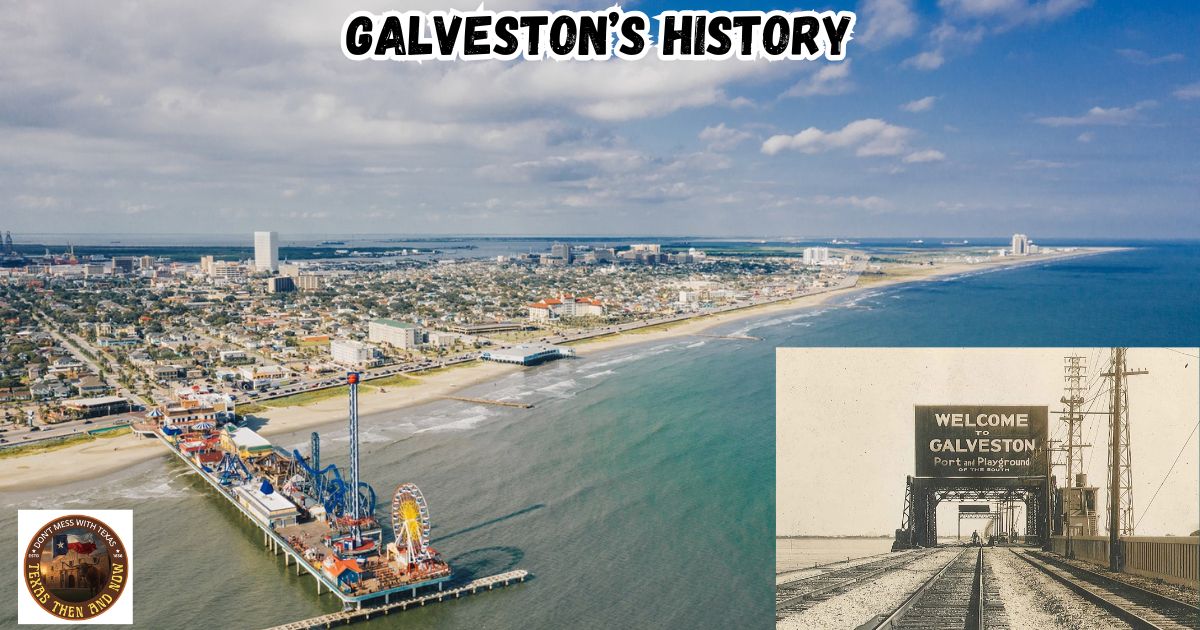
Galveston’s story as a historic port city is packed with big moments, legendary characters, and plenty of Texas grit. For anyone interested in how this Gulf Coast community became such an important gateway, checking out its roots reveals a mix of commerce, culture, and resilience. I’m about to walk you through the highlights that shaped Galveston into the port city it’s known as today.
How Galveston Became a Port City
Galveston’s roots stretch back to the early 1800s, when European explorers and enterprising folk saw a big opportunity along this stretch of the Gulf of Mexico. The island got its first dose of fame with the arrival of French pirate Jean Lafitte around 1817, who made this island his base for smuggling and privateering.
After Lafitte was forced out, new settlers worked to transform the sandy island into a hub for shipping and trade. Mexico officially established a port at Galveston in 1825, paving the way for organized shipping activity. When Texas won its independence in 1836, Galveston was already set up for action.
It quickly became the main seaport of the newly formed Republic of Texas, home to the Texan Navy and major government offices for a short while. There’s a reason Galveston has been called the “New York of the Gulf.”
Galveston as a Center for Immigration and Commerce
By the mid-1800s, Galveston wasn’t just another port; it had become Texas’s go-to entryway for people and goods. It welcomed over 250,000 European immigrants between 1840 and 1870, making it the second-largest immigration entry point in the country after Ellis Island. This wave of newcomers gave the city a distinct, diverse vibe you can still feel today.
Trade was the heartbeat of Galveston, thanks to its deepwater channel and easy access to the country’s interior. Cotton ruled the docks, along with grain and other goods bound for Europe and the eastern U.S. The area known as The Strand grew into Texas’s banking and business hotspot, earning the nickname “Wall Street of the Southwest.”
- Cotton and Shipping: Galveston was a key export center for cotton, Texas’s most valuable crop, in the 1800s.
- Banking and Insurance: Major banks and insurance firms lined The Strand, controlling big money from across the South and West.
- Immigration: Galveston’s immigrant processing office helped shape Texas’s population, bringing in families from Germany, Czechia, Poland, and beyond.
The growth of Galveston’s commerce created new jobs in shipping, manufacturing, and retail. As new neighborhoods sprang up, Galveston’s population reflected a wide range of cultures and backgrounds. Street markets, churches, and social clubs made the city a melting pot where traditions mixed and adapted. This unique blend of community spirit and economic drive helped Galveston weather difficult times and keep growing, even when faced with hardship.
Defining Historical Moments in Galveston’s Port Story
The Pirate Legacy
Years before Galveston became officially recognized, Jean Lafitte’s smuggler colony set the stage for a different kind of maritime traffic. There’s a gritty, adventurous feel to Galveston’s past, largely thanks to this era. The legends left behind gave the city a wild reputation that drew even more settlers during Texas’s early years.
The Birthplace of Juneteenth
In 1865, Galveston found itself at the center of a major historical moment. On June 19th, Union soldiers arrived, and Major General Gordon Granger told the city that all enslaved people in Texas were now free. This announcement became the basis for Juneteenth, now a celebrated holiday across the U.S., marking the end of legal slavery in the country. The spirit of freedom and resilience from that day still resonates in Galveston and is honored with annual parades and gatherings.
The Great Storm of 1900
The hurricane that hit Galveston in 1900 changed everything. Considered the deadliest natural disaster in U.S. history, it killed thousands and left the city in ruins. Despite the devastation, Galveston’s port was back in action just weeks after the storm. This resilience is a big part of the city’s identity and is a main reason the port survived when other towns may not have.
Survivors and newcomers joined forces to rebuild the city. Relief efforts poured in from across the state and beyond, fueling reconstruction and support. Galvestonians worked to replace docks, warehouses, and homes damaged by the storm, ensuring life in the port would roll on.
The Grade Raising and Seawall
After the 1900 storm, Galveston had to think outside the box to keep the city going. Engineers did what seems almost impossible even now. They built a massive seawall and raised the entire city, including hundreds of buildings. Some blocks were lifted by 15 feet or more. These moves protected Galveston’s future as a port and as a hometown for thousands.
Galveston in the Modern Era
By the early 1900s, Houston’s newly dug ship channel pulled a lot of shipping traffic away from Galveston. But Galveston’s port still found new ways to stay relevant. The city leaned into tourism and history to attract new visitors, even as large-scale shipping mostly moved east to Houston.
Since the 2000s, Galveston has put a strong focus on the cruise ship business. Upgrades to the port’s facilities made it a go-to spot for cruise departures year-round. It’s now one of the busiest cruise ports in North America, reaching new records for passenger numbers in recent years. Modern cargo and grain shipping still take place, but cruising has become a huge part of Galveston’s port activity.
Beyond cruise ships, Galveston has reinvented itself as a vacation and festival hub. Events like Mardi Gras! Galveston, Lone Star Rally, and regular art and food festivals have brought hundreds of thousands of visitors to the island. This wave of renewed popularity keeps the port bustling while also shining a spotlight on Galveston’s unique blend of history, culture, and oceanside charm.
Preserving Port Heritage: Landmarks and Museums
Walking around today, you can spot reminders of Galveston’s port legacy everywhere. The 1877 Tall Ship ELISSA sits docked at the Texas Seaport Museum, a working piece of maritime history you can tour. Places like the Strand Historic District and Bishop’s Palace let you peek inside the city’s golden era when Victorian architecture lined busy trade streets.
- The Texas Seaport Museum: Offers a deep look into immigration and maritime commerce, featuring exhibits and ship artifacts.
- 1877 Tall Ship ELISSA: Still sails on occasion and gives visitors a feel for 19th-century seafaring life.
- Historic Downtown: Many century-old buildings once housed banks, shipping offices, and warehouses serving the thriving port.
Other historic attractions, like the Galveston Railroad Museum and Moody Mansion, help tell the story of people whose work and vision turned Galveston into a true Gulf Coast standout. Local preservation societies have made sure future generations can connect with the island’s seafaring past, saving and restoring important landmarks all over the city.
Recommended Reading and Resources:

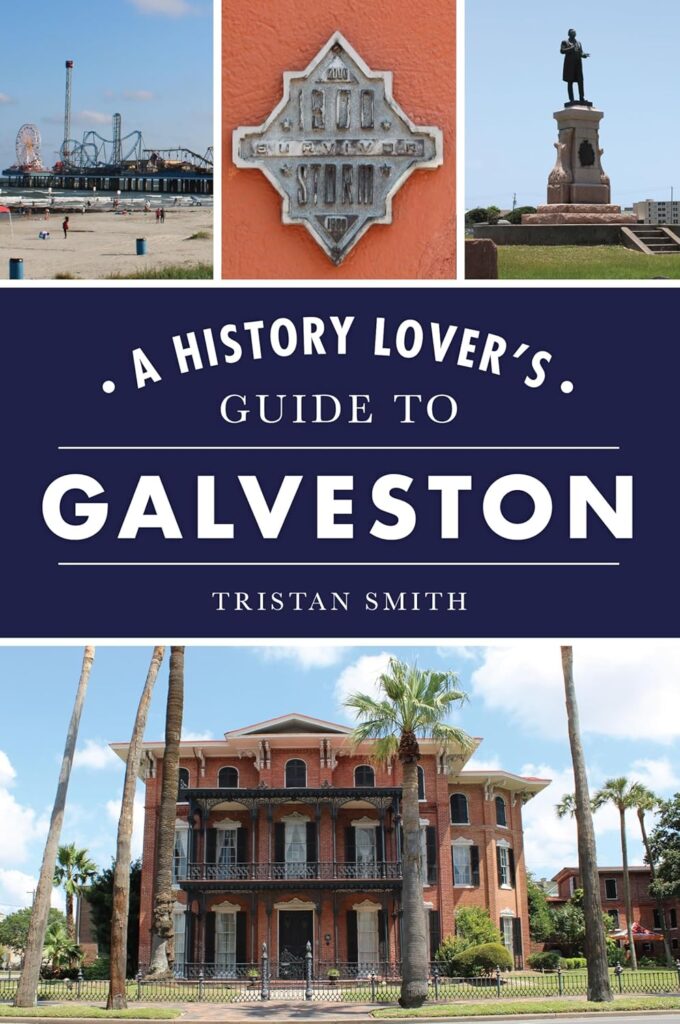
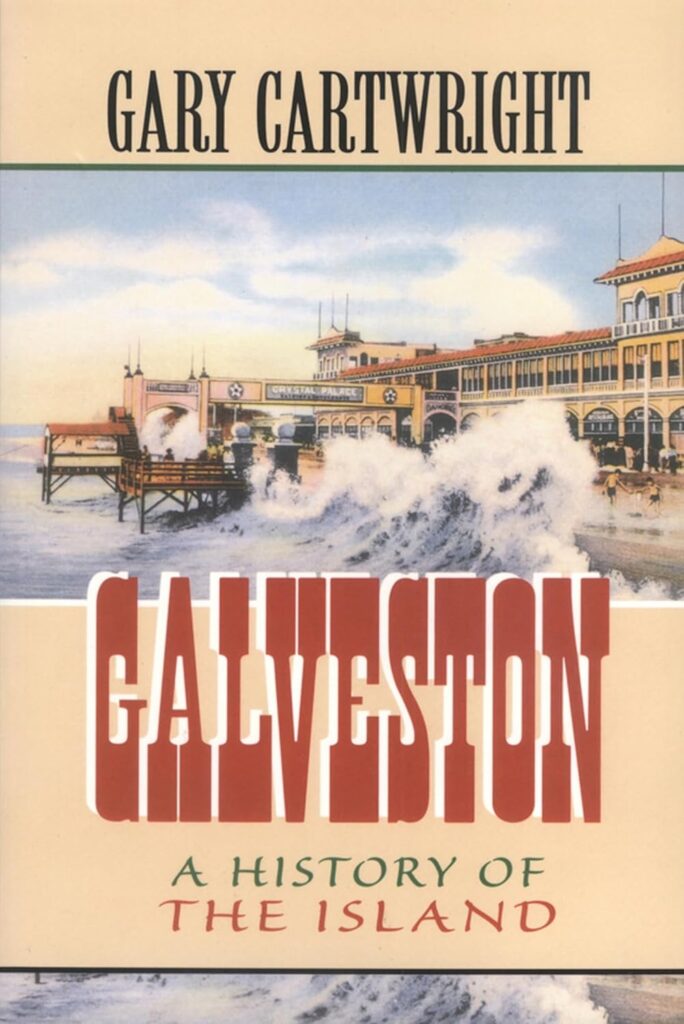
Tips for Experiencing Galveston’s Port History Today
Getting up close with Galveston’s port heritage doesn’t need to feel like a history class. Here’s how to make the experience more fun and rewarding:
- Tour the ELISSA: This museum ship provides a hands-on look at how sailors lived and worked. There are guided tours and even sailing events on some weekends.
- Stroll The Strand: The historical buildings are packed with stories about money, shipping, and power. Some offer tours or host exhibits on local history.
- Explore the Texas Seaport Museum: You can see immigration records, shipping artifacts, and detailed exhibits about Galveston’s early days as a port.
- Snap Photos of the Seawall: This massive structure is a testament to how far Galveston went to stay in business after the infamous storm. It’s worth a picture or two.
- Look Out for Festivals: Events like Dickens on The Strand or Tall Ships Galveston often highlight the city’s port culture with parades, ship tours, and costumed fun.
Local museums and walking tours add even more context, and are worth checking out if you have extra time in town. You might also stumble upon street performers or local guides sharing tales of Galveston’s salty past, making any stroll downtown an adventure in itself.
Common Questions About Galveston’s History as a Port City
Curiosity about Galveston’s past pops up a lot, so I put together answers to some top questions folks have when learning about its port-side roots.
Why did Galveston lose its position as Texas’s main port?
The deepening of the Houston Ship Channel in 1914 switched most big shipping operations away from Galveston. Houston’s inland location also offered more protection from hurricanes and better access to larger railroads.
How can I see artifacts from Galveston’s golden age?
The Texas Seaport Museum, the Railroad Museum, and the Rosenberg Library all have permanent exhibits covering Galveston’s glory days as a port. Many buildings in the downtown historic district have plaques with info on their history, too.
What makes The Strand Historic District special?
The Strand has one of the country’s largest collections of preserved Victorian-era commercial buildings. This area was the financial nerve center for the South and remains a walkable, lively spot with tons of history.
Was Galveston really a pirate colony?
For a short period before formal settlement, Jean Lafitte and his followers set up camp and ran smuggling operations from Galveston. Many of the city’s early legends still mention pirates and secret treasure!
Final Thoughts on Exploring Galveston’s Port Legacy
Galveston’s history as a port city is really important for anyone curious about Texas or Gulf Coast heritage. The blend of immigrant stories, shipping booms, banking dynasties, and powerful storms created a culture that feels unique even today. Exploring the port’s past through its museums, events, and preserved sites connects you with nearly 200 years of maritime adventure, all right on the edge of the Gulf.
If you get the chance, wandering through Galveston’s historic districts and catching sight of the tall ships is a great way to feel that history come alive. And with every step through the port’s cobblestone streets, you’re walking in the footsteps of adventurers, business tycoons, and everyday folks who gave Galveston its lasting spirit.
Most Recent Articles:
- Texas Folklife Festival: Preserving Traditions

- Rodeo Events That Celebrate Texas Culture

- Texas Historic Cattle Drives And Cowboy Festivals

- Fiesta De La Flor: Honoring Selena And Tejano Heritage

- Battle Of Gonzales Reenactment: Preserving History

- Texas Renaissance Festival: A Historical Experience

As always, stay safe, enjoy the journey, and please try to leave Texas cleaner than you found it. If you have any comments, questions, ideas, or suggestions, please leave them in the comment section below, and I’ll get back to you ASAP. You can follow us on TikTok @texasthenandnow or YouTube @TexasThenandNow for videos of all things Texas.
P.S. Thanks so much for checking out our blog; we really appreciate it. Just so you know, we may receive a commission if you click on some of the links that appear on our site. This helps us keep our content free and up-to-date for everyone. We appreciate your support!
