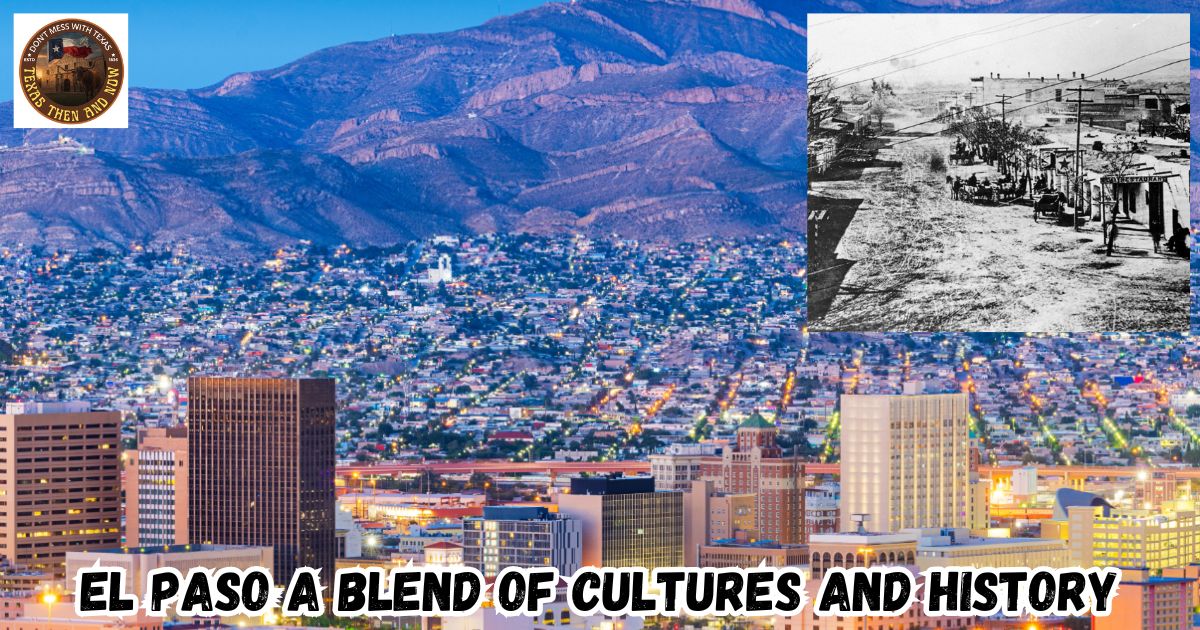
El Paso sits right on the edge of Texas, New Mexico, and Mexico. What really stands out to me about this place is how it feels like a crossroads for cultures and stories that go back hundreds of years. The mountains, desert, and border all blend together here, shaping a city with a personality you won’t find anywhere else. There’s a unique pulse in El Paso, powered by the constant mingling of languages, flavors, and stories flowing through neighborhoods and plazas.
El Paso is More Than Just a Border Town
When people think about El Paso, they usually picture border crossings or a sun-baked landscape. But this city is so much more than just a stopping point between two countries. El Paso’s identity is shaped by the ways Native, Spanish, Mexican, and American cultures have mixed and adapted along the Rio Grande.
One thing I notice on every visit is how daily life in El Paso naturally shifts between Spanish and English. From conversations at cafés to street markets, the city feels comfortable in both languages. This blend is at the heart of what makes El Paso unique; the “third culture” you feel here isn’t just imported, it’s something that grew from this exact spot on the map.
Events, food, music, and even the design of the streets reflect this mix of influences. You’ll catch a mariachi on one corner and a cowboy boot shop on another. The traditions here aren’t kept in museums. They’re alive and well in daily life, making the city feel both rooted and vibrant. Walking through neighborhoods like Sunset Heights, you’ll find murals, eclectic shops, and traditional bakeries sharing the same sunny blocks, tying together generations of El Pasoans.
Cultural Fusion Where Traditions Meet and Change
People call El Paso “The Sun City” for a good reason; more than 300 sunny days a year add to the city’s lively character. But it’s the cultural fusion that leaves an even bigger impression on me. Historic celebrations like Día de los Muertos aren’t just for show.
Locals really embrace these events, turning them into city-wide parades complete with altars, costumes, and plenty of music and dancing. From mural art to regional food, the region’s Hispanic roots show up everywhere. The city’s Chicano murals are especially worth checking out.
These bright, bold artworks tell stories of migration, family, and identity. If you’re into visual art, they’re a highlight of exploring downtown and the historic Segundo Barrio district. The vibrant walls give the city both a sense of memory and a big burst of personality.
Music is also woven into the city’s feel. Mariachi and Norteño bands provide the soundtrack for many festivals and even regular weekends. This mix of sound and color is part of what makes El Paso welcoming and full of energy year-round. Even impromptu street performances and bar patios can light up the night, drawing both locals and visitors into the city’s ongoing celebration of heritage.
Historical Highlights of Spanish Colonial Missions & The Mission Trail
One thing I always recommend to history fans is El Paso’s Mission Trail. This route connects some of the oldest European-built structures in the country, like the Ysleta, Socorro, and San Elizario missions. Dating back to the late 1600s, these adobe buildings are still used for worship and community gatherings.
Walking inside, I’ve always felt a sense of continuity, with hundreds of years of stories echoing off the thick, cool walls. These missions weren’t just religious outposts; they were gathering spots where Tigua Indians and Spanish colonists built a new blended culture.
The Tigua community, still active today, runs the Ysleta del Sur Pueblo and a cultural center that’s a great place to learn about their heritage and experience traditional dances and art. It’s an eye-opening look at the resilience and pride of the area’s first inhabitants.
Downtown Architecture: Adobe, Terracotta, and Victorian Touches
El Paso’s architecture is a mashup of styles. From the Spanish-style missions to the red tiled roofs found on businesses downtown, the buildings make the area feel different from other Texas cities. Homes made with adobe bricks keep cool in the summer and warm in the winter, which is a smart, practical design that’s still used today.
You’ll also spot the Magoffin Home, a perfect stop for fans of local Texas history. This preserved adobe mansion from the 1870s gives a window into life at the junction of multiple cultures during the Wild West era. The blend of Victorian and traditional Southwestern elements sums up the city’s history pretty well. Older neighborhoods still feature original brick streets, wrought iron railings, and old-school theaters, reflecting generations of growth and rebuilding.
El Paso’s Culinary Scene as The Mexican Food Capital
If you ask folks around here what they love about home, food comes up pretty fast. El Paso calls itself the “Mexican Food Capital of the World,” and from my experience, there’s a lot of truth to that. Authentic tacos, enchiladas bathed in red chile sauce, tamales, and burritos can be found at street stands, hole-in-the-wall diners, and trendy restaurants.
Family recipes are the norm, and cooks often take pride in adding their own twist to tradition. What always gets me is the focus on local ingredients. Hatch and El Paso chilies are favorites, giving dishes an extra kick you won’t find elsewhere. Border tacos and border burgers are a thing here, loaded with New Mexican flavors and heaps of cheese.
Culinary traditions are shared across families and generations, and many small restaurants have been open for decades. Bakeries in the city dish out Mexican pastries, pan dulce, and even fusion desserts that make the most of local fruits and chilies.
This rich culinary ecosystem is another example of how cultures combine to make something special and distinctly El Pasoan. Mixing family-run bakeries with coffee shops and modern eateries, you can taste the area’s spirit in every bite.
Border Life of Bilingual Streets and International Ties
Living in El Paso means always being aware of the border. Ciudad Juárez, one of the biggest cities in Mexico, sits just across the river. The two cities together form the largest binational metropolitan area in the Western Hemisphere. People cross daily for work, family visits, and commerce, which means the exchange of culture isn’t just historical; it’s happening right now, every day.
This connection goes deeper than language or economics. Artists, musicians, and small businesses regularly work on both sides of the border. A friend of mine who grew up here says border life has its own unwritten rules and customs, and that it feels like its own world.
Events like the Kermess festivals blend typical American fair food with Mexican rides, games, and performances, showing how intertwined these cities are. Many families have relatives on both sides, and traditions get mixed up in everyday life, from celebrations to sports to shopping habits.
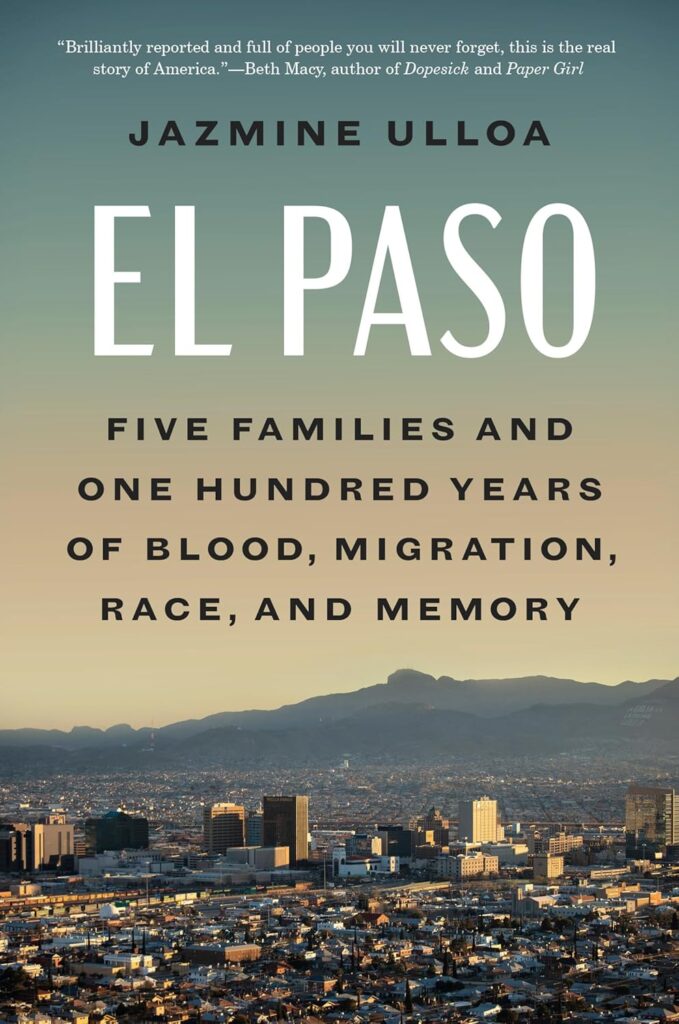
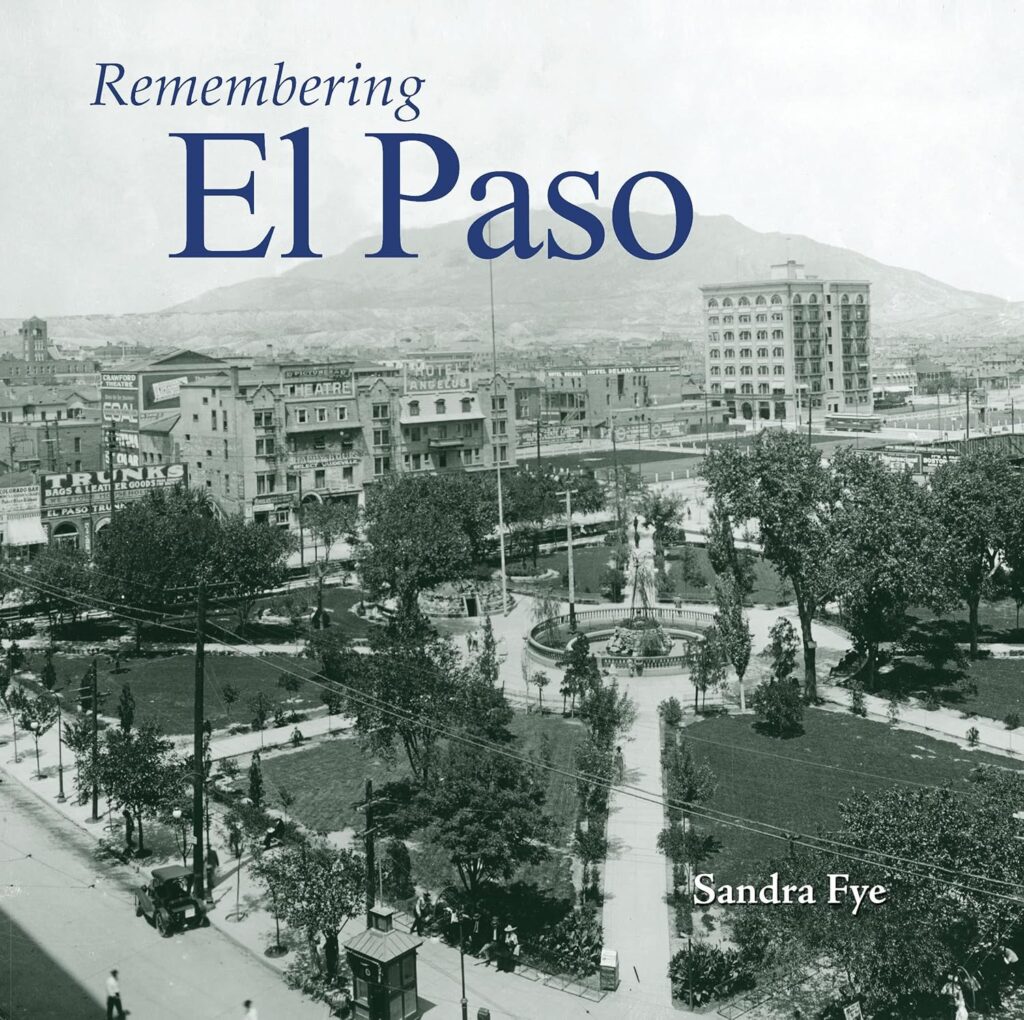
Recommended Reading and Resources:
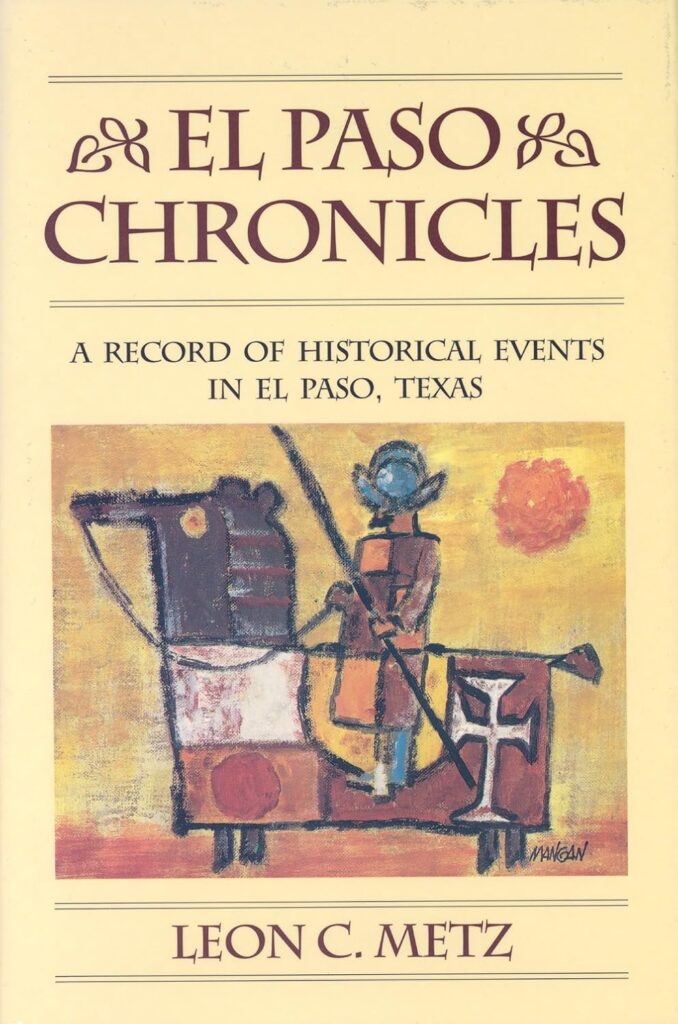
Museums, Art & Learning Spots
Some of the best ways to tap into El Paso’s history are its museums and cultural centers. I recommend starting with the El Paso Museum of Art, where you’ll see both Southwestern American and Mexican masterpieces. The Museum of History uses interactive exhibits, including a cool digital “touch wall” that helps bring borderland stories to life.
The El Paso Museum of Archaeology provides a look at Native American civilizations, showcasing ancient tools, pottery, and even remnants from the Jornada Mogollon people. Meanwhile, the Tigua Indian Cultural Center on the Mission Trail offers hands-on experiences, letting visitors explore traditional crafts, dances, and even taste some indigenous food.
Each stop gives a fresh peek into the area’s diverse roots. For those who want a natural blend of art and the outdoors, Hueco Tanks State Park is perfect. The rock imagery here—some dating back thousands of years—offers a glimpse into the beliefs and everyday life of Native Americans who once lived in this region.
Guided tours are available to help visitors appreciate the spiritual meaning behind the pictographs and petroglyphs. Trails and guided hikes provide both exercise and inspiration, connecting today’s explorers with stories from the distant past.
The Wild West Story: Cowboys and Boomtown Days
El Paso’s frontier history is just as dramatic as any Western movie. Back in the 1800s, it was known for railroad expansion, rowdy saloons, and occasional outlaws. The city still celebrates this past, with rodeos and Western-themed events that tip a hat to those wild days.
Museums like the El Paso Railroad and Transportation Museum bring this era to life, showing off restored engines and telling stories of how trade and migration shaped the city. Old West architecture survives in pockets, too. Just check out the Plaza Theatre downtown, a classic movie palace from the golden age of vaudeville.
Walking these historic streets gives the sense of a place that has changed but never lost track of its roots. Walking tours and history-themed festivals continue to keep El Paso’s cowboy tale alive for both residents and curious visitors.
Things to Think About Before Exploring El Paso
This city’s exciting blend of culture does come with a few things to be aware of:
- Desert Climate: It gets hot, so bring sunscreen, a hat, and water if you plan to explore outside.
- Border Regulations: If you want to pop over to Juárez, make sure you have the proper documents and keep up with current travel advisories.
- Bilingual Environment: Knowing some basic Spanish can really help you get by and make visiting local businesses even more enjoyable.
- Crowds During Festivals: Popular events like Día de los Muertos or the Kermess can fill up quickly, so plan for parking and tickets.
Staying Safe & Respectful
Like any big city, El Paso has areas that are better explored during the daytime or with locals. Respect for local traditions, especially religious sites like the missions, goes a long way. Ask before taking photos, especially at cultural centers or community gatherings. It’s also a good idea to stick to well-traveled spots at night and check in with locals if you’re unsure about certain neighborhoods.
Frequently Asked Questions about El Paso
Is El Paso safe to visit?
El Paso is generally considered one of the safest cities in the U.S., especially compared to other major metros. Like everywhere, it’s good to be aware of your surroundings and listen to local advice, especially if exploring downtown at night or near the border crossings.
What’s the best time of year to visit El Paso?
Fall and spring are the most comfortable for outdoor exploring. Summer temperatures can get high, but festivals and nightlife still keep things lively once the sun goes down.
Can you cross into Ciudad Juárez easily?
Yes, as long as you have the proper documents (passport or border crossing card). Many locals cross every day, but keep an eye on current travel advisories and expect busy times during holidays.
Where can I try authentic El Paso food?
You’ll find great spots all over town, but areas like downtown, the Mission Valley, and local food trucks offer some of the most authentic eats. Don’t skip red chile enchiladas or the classic breakfast burrito!
Final Thoughts on the History of El Paso
El Paso is a place where history, culture, and community are fully intertwined. Whether you’re here for the architecture, the food, or just to experience a “third culture” with a genuine spirit, the city really opens itself up to anyone interested in learning and exploring.
The mix here isn’t just about old meets new; it’s about making something fresh, alive, and truly welcoming for everyone who stops by or chooses to stay. Anyone with a sense of adventure will quickly stumble upon reasons to stick around El Paso and keep checking out all the gems this border city has to offer.
Most Recent Articles:
- Texas Renaissance Festival: A Historical Experience

- Juneteenth: Texas Origins And Modern Celebrations

- The San Antonio Fiesta: History And Highlights
- Fort Worth Stockyards: Preserving Cowboy Heritage
- Annual Texas Independence Day Celebrations

- Historic Neighborhoods Of Waco
As always, stay safe, enjoy the journey, and please try to leave Texas cleaner than you found it. If you have any comments, questions, ideas, or suggestions, please leave them in the comment section below, and I’ll get back to you ASAP. You can follow us on TikTok @texasthenandnow or YouTube @TexasThenandNow for videos of all things Texas.
P.S. Thanks so much for checking out our blog; we really appreciate it. Just so you know, we may receive a commission if you click on some of the links that appear on our site. This helps us keep our content free and up-to-date for everyone. We appreciate your support!
