
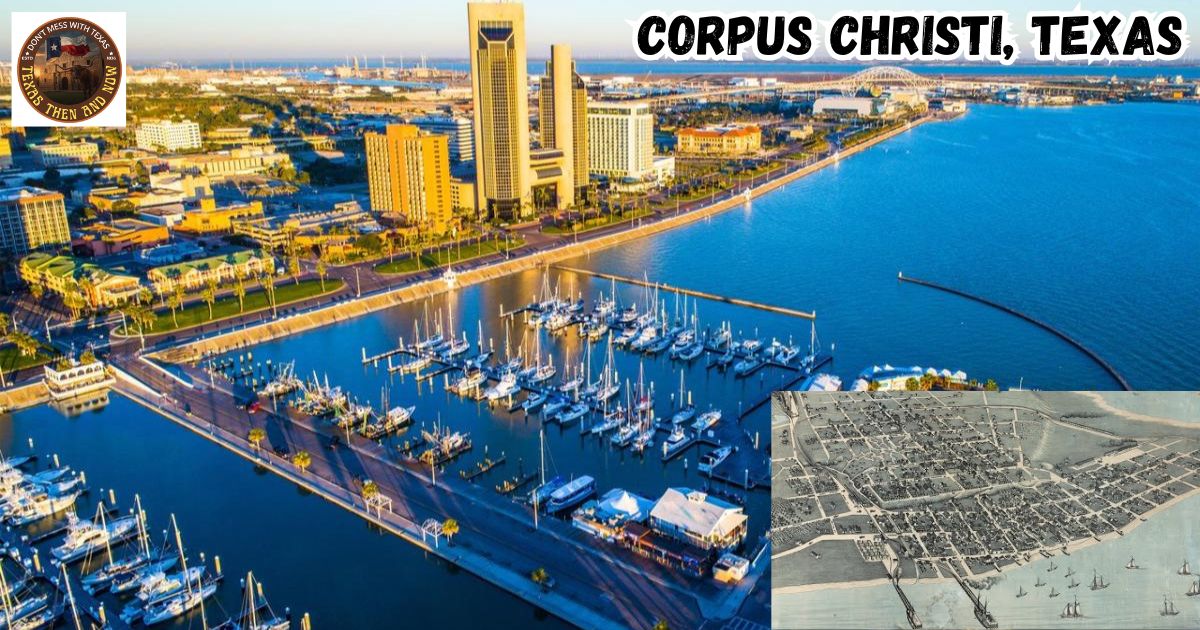
Corpus Christi is a coastal city in Texas that’s packed with stories tied to the sea, trade, and adventure. Originally founded as a simple trading post in 1839, Corpus Christi quickly became a busy hub along the Gulf Coast.
Its adventure from a remote outpost to a major port and leading naval site is pretty fascinating and worth sharing, especially if you’re curious about American history or just want to know what gives this place its coastal vibe.
Early Roots and Founding of Corpus Christi
Most people are surprised to hear Corpus Christi got its start thanks to a holiday on the Catholic calendar. When Spanish explorer Alonso lvarez de Pineda sailed into the bay in 1519, it happened to be the feast day of Corpus Christi, meaning “Body of Christ” in Latin. That name stuck and carried through the generations.
The city didn’t actually start as a Spanish settlement, though. It remained pretty quiet for centuries, remote enough to avoid the big colonial rush. That changed in 1839 when entrepreneur Henry Lawrence Kinney set up what was first known as “Kinney’s Trading Post.” From there, a little collection of tents and lean-tos grew into a center for farmers, ranchers, and traders looking to make the most out of Texas’ Gulf access.
By the time the 1840s came around, the area saw U.S. troops commanded by General Zachary Taylor make camp here before heading off to the Mexican-American War. Corpus Christi’s spot on the map meant it would keep playing a role during just about every chapter of Texas and Gulf Coast history.
The Civil War and Blockade Runners: A Gritty Era on the Gulf
During the Civil War, things definitely got a lot more intense along the coast. The Confederacy relied on Texas to keep goods moving despite the Union’s naval blockades. Corpus Christi turned into a key crossroads. Smaller vessels and flat-bottomed boats would slip through the shallow backwaters and creeks, sneaking supplies past the Union ships blockading Gulf ports. This not only helped the Confederacy hang on longer but also set up the city’s reputation as a place where sea trade was both risky and rewarding.
Eventually, Union forces managed to capture Corpus Christi in 1864. Those years of blockade running and resourceful thinking stuck around in the city’s identity. After the dust settled, commerce and settlement started to recover, putting the area back on track for the next big wave of growth.
The Port of Corpus Christi: Changing Everything
Corpus Christi took a giant step forward in 1926 with the official opening of its deepwater port. This wasn’t just another shipping dock. It was a major development that transformed a quiet town into one of the busiest ports in the nation. Suddenly, ships loaded with cotton, oil, gas, and other goods could move large volumes in and out of South Texas. The port didn’t just boost trade; it shaped the entire way of life for local residents. Nowadays, around 40% of people in Corpus Christi are somehow connected with port operations or the industries it supports.
It’s the port that really locked Corpus Christi’s role as an energy leader. With vast petroleum and chemical exports, it’s a major link in the supply chain for both Texas and the global market. The waterfront skyline and constant ship traffic say it all. This isn’t just another beach town; it’s one of the most important gateways on the Gulf Coast.
If you’re curious, the port authority also oversees one of the largest wind energy shipment terminals in the country. This makes Corpus Christi not just a fossil fuel powerhouse but also a vital player in renewable resources. It’s an example of how the city is blending its tradition with the changing face of global trade.
Naval Heritage and Wartime Service
Corpus Christi’s reputation as a military city took off in 1941 when the Naval Air Station was established on the bay. Back then, war was looming, and the U.S. Navy built what was, at the time, the largest naval training facility in the world. More than 35,000 aviators learned to fly in Corpus Christi during World War II, including some names you might recognize, like former president George H. W. Bush.
The Naval Air Station remains an active part of city life today, supporting both advanced military training and research. The sight of planes overhead is a familiar reminder of the city’s tight connection to national security and military thinking. In 2022, Corpus Christi was even recognized as a World War II Heritage City, one of only a few in the United States to earn that honor.
The base today is home to modern aircraft and uses advanced flight simulators for training. Families from all over the country relocate here, giving Corpus Christi an ongoing military flavor. Residents often share stories about close ties with service members or attending local air shows, further keeping aviation history alive.
The USS Lexington: The Blue Ghost
Docked right in Corpus Christi Bay is the USS Lexington, an Essex-class aircraft carrier known as “The Blue Ghost.” Commissioned in 1943 and active throughout World War II, this ship is filled with stories of heroism and technological breakthroughs. Today, it’s been converted into a floating museum that’s open for tours, exhibits, and even sleepovers for adventurous visitors. It stands as one of the city’s most eye-catching attractions and a massive reminder of what Corpus Christi contributed to naval aviation and wartime service.
Inside the ship, visitors can check out restored planes, equipment, and decks that recreate the atmosphere of wartime service. The museum puts on demonstrations and interactive exhibits that appeal to both families and hard-core military enthusiasts.
Shipwrecks, Museums, and Preserved History
Corpus Christi takes a lot of pride in keeping its history alive. The Corpus Christi Museum of Science and History is home to an amazing shipwreck collection, including pieces from vessels like the French ship La Belle, which sank off the Texas coast in 1686. These shipwreck exhibits blend Corpus Christi’s maritime roots with a sense of adventure and the thrill of stumbling upon something long lost at sea.
The city’s Heritage Park, not far from downtown, features a dozen restored historic homes, each telling stories about the early residents who shaped the area. Touring these old houses is a perfect way to get a feel for what Texas life was like generations ago—wide porches, shade trees, and gardens included.
Local educators sometimes offer walking tours through the area, sharing stories that go beyond the museum displays. These grassroots efforts are crucial for making sure new generations understand the struggles and triumphs of the people who built Corpus Christi. Combined with Spanish influences, coastal architecture, and Texan grit, the area’s history still echoes in the neighborhoods.
Key Moments in Corpus Christi’s Growth
Throughout its history, Corpus Christi has had moments that really changed its future. When cattle ranching was at its peak in the late 1800s, the city was a shipping point for food and livestock. That growth supported the jump into the oil boom years, and that’s still central to why Corpus Christi’s economy is so varied today.
In 1929, another important milestone happened: the League of United Latin American Citizens (LULAC) was founded right here, focused on building civil rights and opportunities for Hispanic Americans. That commitment to equality continues to shape the city and its people today. Locals are proud of the rich blend of cultures and traditions, showcased every year in vibrant festivals and public events.
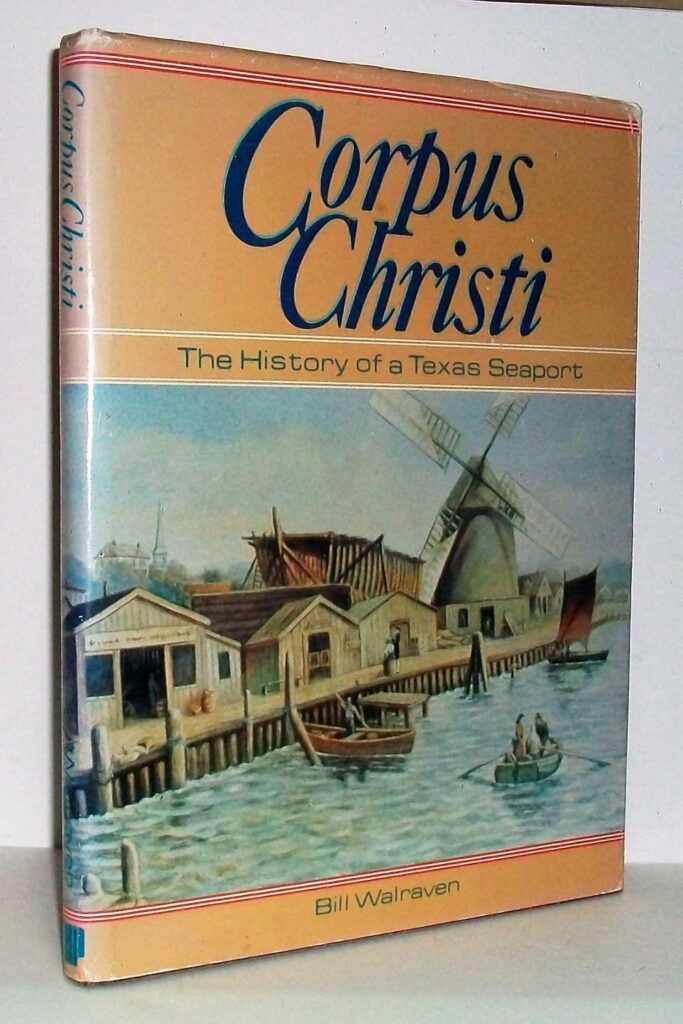
Recommended Reading and Resources


Cultural Impact and Resilience
Corpus Christi hasn’t always had it easy. Hurricanes batter the coast from time to time, which is why the city built a massive seawall in 1941 to guard downtown from surging storms. The seawall now doubles as a great place for a waterfront stroll and serves as a symbol of the city’s determination to protect residents while staying bonded to the Gulf.
Despite natural disasters and economic hiccups, Corpus Christi always finds ways to rebuild and move forward. Its festivals, museums, and community celebrations keep memories alive, making the city both a living history lesson and a vibrant, modern place to visit or call home. This resilience shines through after every storm, with neighbors chipping in to help one another, local businesses rebuilding, and artists capturing stories of survival and regrowth.
The art scene itself has grown in recent years, with murals, music, and theater productions flourishing. Many works nod to the city’s heritage, from stylized ships to tributes to Selena, who called Corpus Christi home. This mixing of old and new cultures creates a distinct flavor while drawing tourists and old-timers alike to its downtown core and waterfront haunts.
Maritime Industries and the Modern Economy
Corpus Christi’s maritime industries go beyond the port and military. Shipbuilding, fishing, and energy processing are all major contributors to the city’s character. Down at the marinas and docks, you’ll spot shrimp boats, energy tankers, and recreational yachts all sharing space. The vibe is busy but laid back, with work and play often mixing thanks to the city’s connection to the Gulf of Mexico.
The environment benefits from the efforts of local organizations that focus on keeping the bay clean and preserving wildlife habitats. Birdwatchers flock here every spring and fall to see migrations, and the area is world-famous among anglers seeking both inshore and offshore fishing opportunities. Meanwhile, the continued expansion of liquefied natural gas (LNG) facilities and cargo terminals means that international business connections—and skilled jobs—keep multiplying.
Families who’ve lived here for generations often tell stories about hauling shrimp, working in the refineries, or launching small companies that supply parts to the port. Those traditions help knit the social fabric and keep the city’s identity grounded in the water and the everyday hustle.
Frequently Asked Questions
People ask a lot of questions about Corpus Christi’s history and maritime ties, so here are answers to some of the more common ones.
Why is Corpus Christi considered such a big port city?
The port was built deep enough in 1926 to handle major ships, allowing for big exports of cotton, oil, and gas. Today, it’s one of the top ports in the U.S. for crude oil exports and a major energy hub overall.
What’s special about the USS Lexington?
The ship served in World War II, survived several attacks, and became famous for its toughness. Now, it’s a museum full of interactive exhibits, aircraft, and flight simulators for visitors to check out.
Are there still shipwrecks being found in the area?
Yes, the Gulf waters near Corpus Christi are well-known for underwater finds. The Museum of Science and History displays artifacts from over 20 different shipwrecks along the Texas coast, and divers sometimes stumble upon new wrecks even today.
How does Corpus Christi balance industry and coastal preservation?
Local groups and city officials team up on wildlife habitat projects and responsible development to make sure global trade and coastal beauty can thrive together into the future.
Experience Corpus Christi’s Living Maritime Legacy
Corpus Christi is a spot where the past and present mix out in the open. Whether you’re checking out a shipwreck at the museum, strolling along the seawall, or watching huge tankers cruise past downtown, the city’s story comes to life everywhere.
Knowing its history gives a better sense of why Corpus Christi looks and feels the way it does today. For anyone drawn to the Texas coast, maritime history, or even just cool waterfront scenes, this Gulf city is worth some extra attention.
Most Recent Articles:
- The San Antonio Fiesta: History And Highlights

- Fort Worth Stockyards: Preserving Cowboy Heritage
- Annual Texas Independence Day Celebrations

- Historic Neighborhoods Of Waco
- Corpus Christi’s History And Maritime Legacy
- Galveston’s History As A Historic Port City
As always, stay safe, enjoy the journey, and please try to leave Texas cleaner than you found it. If you have any comments, questions, ideas, or suggestions, please leave them in the comment section below, and I’ll get back to you ASAP. You can follow us on TikTok @texasthenandnow or YouTube @TexasThenandNow for videos of all things Texas.
P.S. Thanks so much for checking out our blog; we really appreciate it. Just so you know, we may receive a commission if you click on some of the links that appear on our site. This helps us keep our content free and up-to-date for everyone. We appreciate your support!
