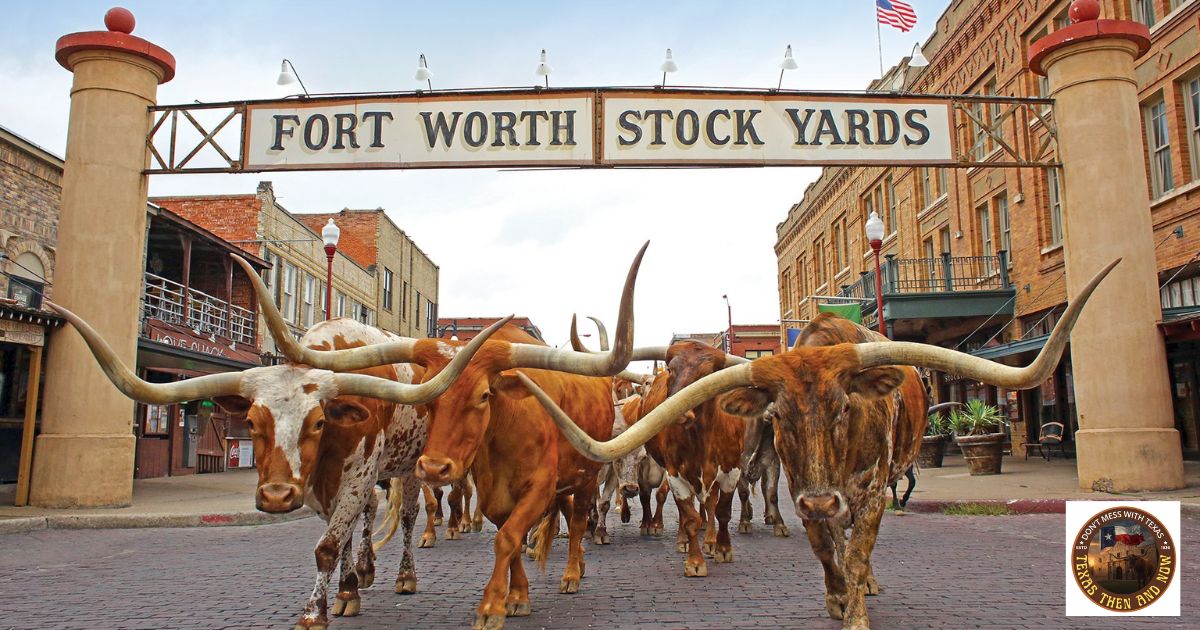
The Fort Worth Stockyards aren’t just about dusty cattle pens and echoing boots on brick streets. This historic district is where you can really feel the heartbeat of the cowboy era that shaped Fort Worth, Texas. Strolling Exchange Avenue, I can almost hear the sounds of old cattle drives and imagine the flurry of business deals that once made this place the “Wall Street of the West.”
Preserving cowboy heritage here is more than just keeping old buildings standing; it’s about holding onto the traditions, stories, and larger-than-life personalities that put Cowtown on the map.
Highlights in Fort Worth Stockyards History
Fort Worth’s cowboy culture sprang up thanks to its location on the Chisholm Trail, which, from 1866 to 1890, saw more than four million cattle driven right through town. This gave Fort Worth its Cowtown nickname. By 1876, when the railroad finally rolled in, Fort Worth exploded into a livestock shipping hub.
The Stockyards were officially born not long after: in 1887, investors saw opportunity in the cattle trade, and by 1893, Greenleif W. Simpson had bought up the Stockyards and launched the Fort Worth Stock Yards Company. I think it’s pretty cool how what started as simple cattle pens grew to be the nation’s fifth-largest livestock market by 1904.
Massive meatpacking plants, built in 1902 by Armour & Co. and Swift & Co., fired up the local economy even more. Exchange Avenue became the center of deal-making and business, earning its “Wall Street of the West” nickname. By the 1940s, it wasn’t all about cows either; during World War I, the Stockyards were the largest horse and mule market in the U.S.
Why Preserving Cowboy Heritage Matters
Fort Worth wouldn’t be what it is today without its cowboy past. The Stockyards are basically a living tribute to that heritage. When walking through the district, you’ll spot markers, statues, and preserved buildings at almost every turn. I love how the district doesn’t feel staged or artificial. It’s a real, working part of the city that just happens to transport you back in time.
The preservation efforts kicked off in the 1970s. The North Fort Worth Historical Society worked hard to get the Stockyards listed on the National Register of Historic Places in 1976. Without that push, a lot of the district’s most iconic buildings probably wouldn’t be around for us to enjoy.
Notable Landmarks to Check Out
Visiting Fort Worth Stockyards is like taking a step back into the old West. Here are a few places that make this district unique and worth spending a day or two exploring:
- Cowtown Coliseum (1908): This arena hosted the world’s first indoor rodeo in 1918. It’s still rocking today with regular rodeo events, concerts, and even bull riding every weekend.
- Livestock Exchange Building (1903): Known as the Stockyards’ “nerve center,” this building housed all the administrative offices for the fast-paced cattle trade. These days, you can walk the old halls and pop into the Stockyards Museum.
- Horse and Mule Barns (1912): Back in World War I, these barns were the biggest horse and mule marketplace in America. Now, they’re used for events, shops, and even a weekly farmers market.
- Fort Worth Herd: Twice a day, the Stockyards put on a live reenactment cattle drive, with real longhorns, real cowhands, and a genuinely fun show for anyone standing by.
Surviving the Changes: The Stockyards After the Boom
The Stockyards didn’t always look the way they do now. Things started changing fast after World War II. New highways and the rise of trucking made it easier to move cattle straight from ranch to market, so the Stockyards lost their monopoly.
Armour closed their plant in 1962, Swift followed in 1971, and many thought the golden era had ended for good. Community members weren’t content to let the area fade away. All these preservation efforts led to its current identity as a historical district and tourist magnet.
Restaurants, western shops, bars, and museums moved in, breathing new life into the area while keeping the western spirit front and center. These days, visitors come to catch a rodeo, watch the cattle drive, snap selfies under the Stockyards signs, or just lap up the old West vibes.
Bringing Cowboy Culture to Life Today
One thing I love about the Stockyards is how it goes way past static museum exhibits. Cowboy heritage lives on through regular activities and events, turning every visit into an interactive history lesson.
- Twice Daily Cattle Drives: The Fort Worth Herd reenacts cattle drives at 11:30 AM and 4:00 PM, just like in the old days. Hearing the clatter of longhorn hooves on the street makes it all feel real.
- Rodeos: Local cowboys show off their skills every weekend at Cowtown Coliseum. From bull riding to barrel racing, the spirit of competition thrives just as it did a hundred years ago.
- Western Shopping and Dining: You’ll find everything from high-end boots to retro saloons and steakhouses, all designed to give you a taste of Texas hospitality.
- Music and Festivals: There’s live music almost nightly, with venues like Billy Bob’s Texas (billed as the world’s largest honkytonk) keeping the party going.
If You’re Planning a Visit
First-timers and locals both get a kick out of what the Stockyards have to offer. Walking tours are offered daily, showing off hidden corners and telling stories you’re not likely to read in a guidebook. History buffs can check out the Stockyards Museum and see artifacts from the days when cattle trading ruled the city.
Families often enjoy the petting zoos, hayrides, and the chance to watch blacksmiths or leather workers in action. For those interested in architecture, many of the Stockyards’ brick, wood, and iron structures are the real deal; restored but left as close as possible to their original forms.
From old stables to ornate offices, every building carries its own story. You’ll spot the subtle details that speak to a different time, from weathered branding irons hanging outside shop doors to original hand-carved signage above historic entryways.
Throughout the year, the Stockyards play host to themed festivals and parades that give a boost to the western mystique. Every spring, Frontier Days pulls together historical reenactments, cooks up Texas-style barbecue, and even sets out old-fashioned games that kids and adults alike love. Around Christmas, the area transforms with twinkling lights and cowboy Santa photo ops that blend tradition with holiday fun.
Common Questions About the Fort Worth Stockyards
Here’s some info visitors or those new to the cowboy scene often ask me about:
What are the Stockyards’ opening hours?
Most shops and attractions run from 10:00 AM to 7:00 PM, but you’ll find live music and saloons open much later on weekends.
Is there any cost for the cattle drive?
Watching the twice-daily cattle drives is totally free and happens rain or shine. For behind-the-scenes tours, tickets are available through the Stockyards Visitor Center.
Can you ride a horse at the Stockyards?
Yes, horse riding experiences are available both for kids and adults right along the Trinity River trail and within some event spaces.
Is it year-round?
The whole district is built for families, with events year-round, including rodeos, petting zoos, and interactive museums.
Suggested Reading for Cowboy History Lovers
I’m always eager to recommend a good read or documentary for anyone looking to get into Cowtown’s roots. Two solid books include:
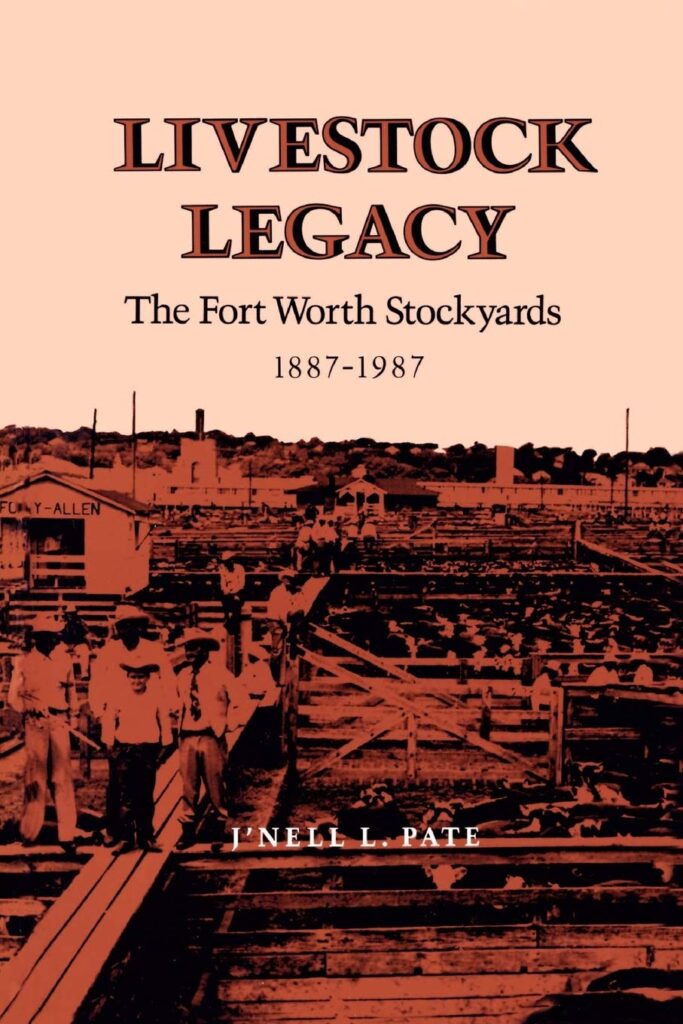
- Livestock Legacy: The Fort Worth Stockyards, 1887-1987 by J’Nell L. Pate – Offers a deep look at company records and day-to-day life back in the peak Stockyards days.
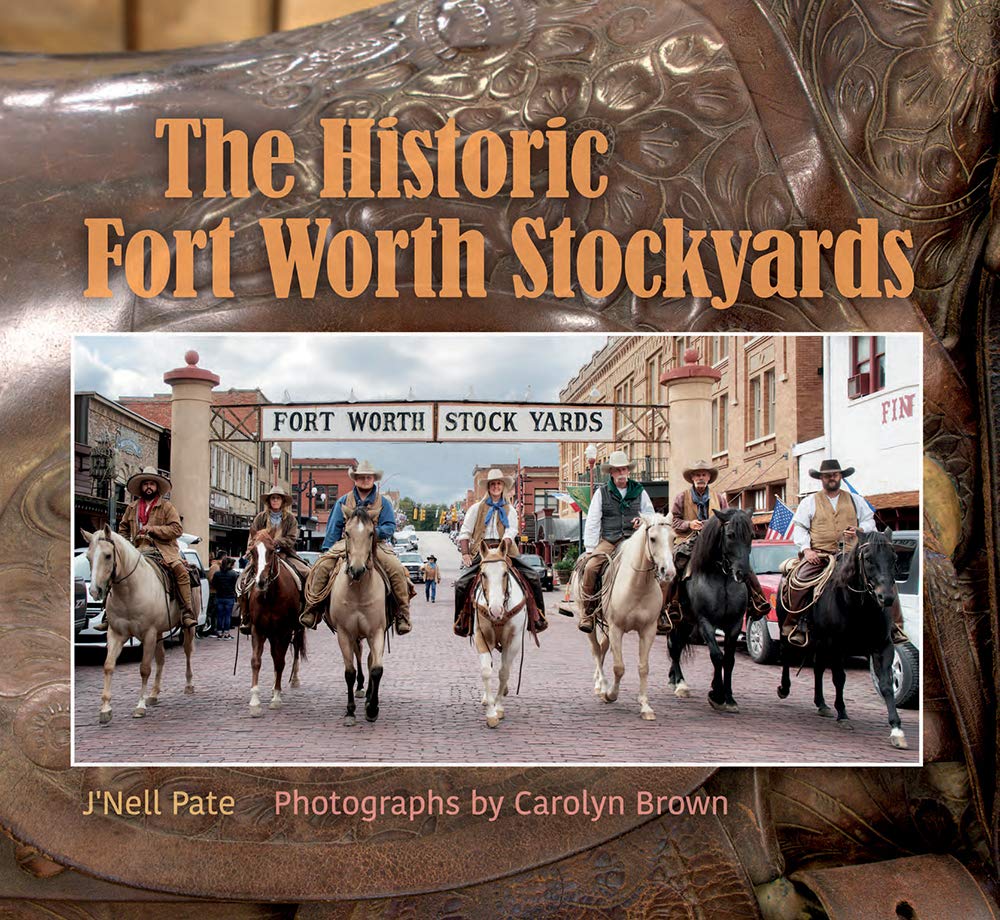
- The Historic Fort Worth Stockyards by Carolyn Brown and J’Nell Pate – Great blend of history and photography, showing you both the facts and how the place looks now and in the past.
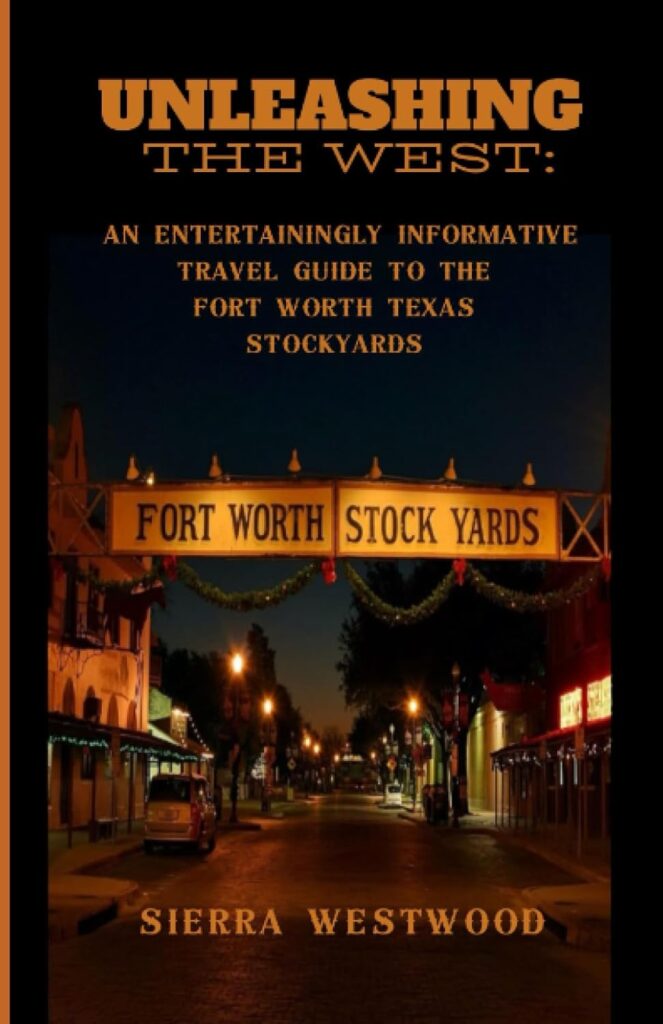
- Unleashing the West: An Entertainingly Informative Travel Guide to the Fort Worth Stockyards by Sierra Westwood – Whether it’s your FIRST time to experience the magic of Texas’ Fort Worth Stockyards or your 100th, this entertainingly informative guide has everything you could want.
Preserving cowboy heritage isn’t only about saving buildings or planning photo ops; it’s about keeping alive the sense of adventure, resilience, and hospitality that define Fort Worth. The Stockyards bring those memories and traditions right into the present, one cattle drive, rodeo, and boot scooting dance at a time. Every visit here is a way to step back, get involved, and keep Texas history alive for generations to come.
Most Recent Articles:
- Fort Worth Stockyards: Preserving Cowboy Heritage
- Annual Texas Independence Day Celebrations
- Historic Neighborhoods Of Waco
- Corpus Christi’s History And Maritime Legacy
- Galveston’s History As A Historic Port City
- El Paso: A Blend Of Cultures And History
As always, stay safe, enjoy the journey, and please try to leave Texas cleaner than you found it. If you have any comments, questions, ideas, or suggestions, please leave them in the comment section below, and I’ll get back to you ASAP. You can follow us on TikTok @texasthenandnow or YouTube @TexasThenandNow for videos of all things Texas.
P.S. Thanks so much for checking out our blog; we really appreciate it. Just so you know, we may receive a commission if you click on some of the links that appear on our site. This helps us keep our content free and up-to-date for everyone. We appreciate your support!
