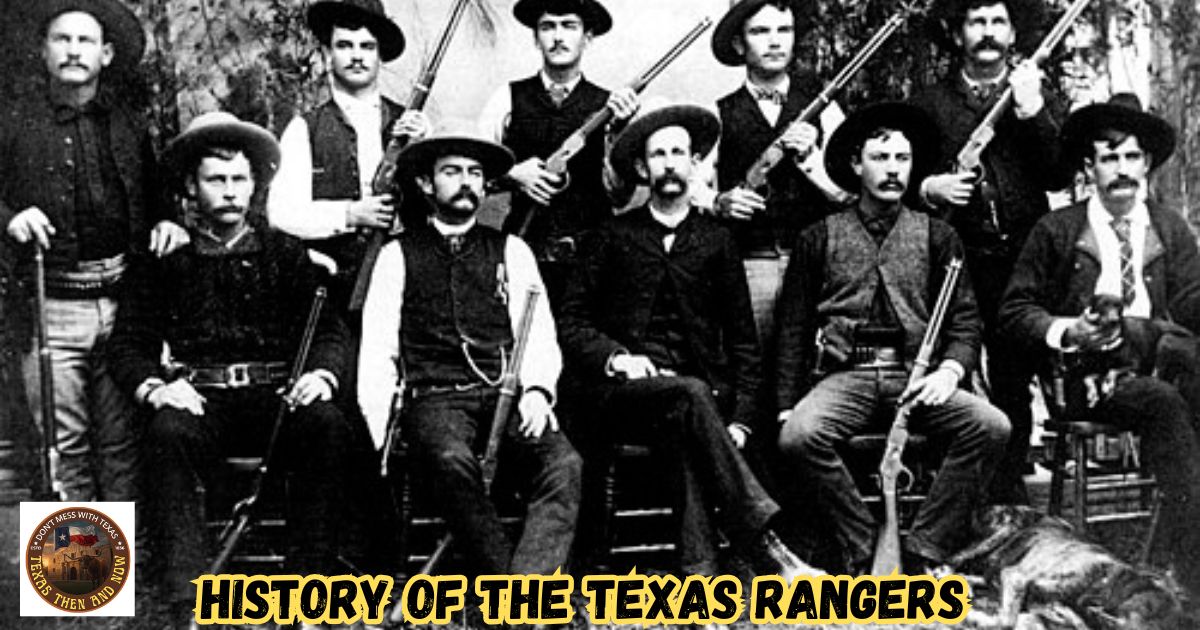
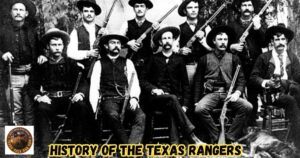
The Texas Rangers have stood as icons of the Wild West and law enforcement toughness, with a reputation that stretches from the early days of the Texas frontier right up to the present. Just like any legendary group, certain names keep popping up when you dig into the wildest stories, major showdowns, or the most daring pursuits. After combing through Texas history books and hearing old-timers spin tales, I’m here to share stories of the most famous Rangers; those whose lives still get folks talking even today.
The Early Years and the Birth of the Rangers
When the Texas Rangers first started, Texas itself was barely hanging on as an independent territory, battling everything from Comanche raids to Mexican armies, as well as the endless dangers of the wild frontier. These first Rangers weren’t like today’s police; instead, they were volunteer militias, sometimes unpaid, usually bringing their own horses and rifles.
What pushed a lot of these men wasn’t just the promise of adventure; it was the urge to carve out order where there wasn’t any. The Rangers officially came together in 1835, when Stephen F. Austin called for volunteers to look out for settlers. From day one, their leadership was about not backing down, showing up in tough situations, and sometimes making up their own rules.
This rough-and-ready style stuck through generations, especially during the turbulent years when Texas fought for independence and changed from a Mexican territory to a Republic, and then a state. Over time, people started to see the Rangers as both protectors and, in some eyes, enforcers of the status quo, showing how complicated law enforcement could be in a place as wild as Texas.
Legends of the Texas Rangers: Lawmen Who Defined the Era
Through the years, a handful of names have come to represent the Ranger legend. Some are remembered for their courage, others for their legendary one-liners, and some just for having stories so wild you might question if they really happened. Let’s check out a few who loom large in old stories and popular history:
- John “Jack” Coffee Hays (1817–1883): Seen as the most famous Ranger of the early days, Jack Hays went toe-to-toe with much bigger enemy groups. He led his men through tough battles against Comanche warriors, and his use of revolving pistols helped change tactics on the Texas frontier. Hays stood for the Ranger ideals: skilled, steady under fire, and always standing his ground.
- Frank Hamer (1884–1955): When people think of a legendary Texas lawman, Frank Hamer is often top of mind. He’d already made a name for himself restoring law and order to rowdy oil boomtowns, but his fame soared after 1934, when he tracked and stopped Bonnie and Clyde. Hamer faced danger constantly, surviving countless shootouts and going head-to-head with gangsters and crooked politicians.
- Bill McDonald (1852–1918): McDonald is tied to the phrase “One riot, one Ranger.” Stories say he kept the peace—from chaotic prizefights to shootout-prone feuds—not just with his sharpshooting, but with nerves of steel and a knack for facing down trouble solo when others might run.
- Samuel Hamilton Walker (1817–1847): Walker worked with Samuel Colt to design the Colt Walker revolver, a sidearm that gave the Rangers a serious edge. He saw action in the Mexican-American War, known for both his tactical mind and grit under fire.
- John S. “Rip” Ford (1815–1897): Ford picked up the nickname “Rip” for writing ‘Rest in Peace’ beside fallen soldiers’ names in reports. Operating mostly along the southern border, Ford led bold actions against bandits, often tracking them across challenging terrain and back again.
- Ben McCulloch (1811–1862): From Ranger captain to respected scout and Confederate general, McCulloch was a go-to man for tough assignments; tracking enemies, blazing trails, and taking calculated risks. He worked closely with Jack Hays and developed a rep for clever strategy under fire.
- WAA “Bigfoot” Wallace (1817–1899): Towering and tough, Bigfoot Wallace was hard to miss—both for his size and his wild tales. He battled through some of Texas’s roughest years, including the Mier Expedition, earning his place as a master of survival in dangerous country.
- Hendrick Arnold (1804–1849): Arnold, a free Black man and valuable scout, played an important role during the Texas Revolution and later as a Ranger. While his courage and skill in tracking were critical for many missions, his contribution often went unrecognized until more recent years.
The Texas Rangers and the Shifting Frontier
Initially, the Texas Rangers focused on defending settlers against Comanche raids, keeping the peace among lawless settlements, and patrolling sprawling stretches of wild land. Leaders like Jack Hays and Rip Ford developed tactics for fighting outnumbered and covering rough territory quickly.
What kept them going was a combination of practical tracking skills, a willingness to improvise, and nerves of steel when the odds were against them. Yet, as Texas matured and the decades rolled by, the Rangers had to adapt. Post-Civil War, the face of Texas changed; cattle drives, the rise of bustling railroad towns, and spurts of lawlessness meant they had to mix in some variety with new approaches.
Instead of mainly border defense, they focused more on rooting out notorious outlaws (including Sam Bass and others) and restoring order to rowdy towns. This mix of fieldwork and detective skills produced a modern version of the Ranger; a little less cowboy, a bit more investigator, but still tough to the core.
Changing Times and a Modern Force
By the early 1900s, the Texas Rangers had turned into a fully statewide law enforcement agency. Under leaders like Bill McDonald, the Rangers’ badge became a recognized symbol of authority across Texas, and even nationally.
Rangers took on high-profile criminal investigations, busted political corruption, and paired up with other law enforcement agencies, earning a reputation as the “thin gray line” standing between order and chaos in Texas. The Ranger legacy runs deep in Texas culture, straddling the line between folklore and reality.
While some old tales are pretty wild, much of what set the Rangers apart was real: stories of people who put everything on the line in tough, unpredictable situations. History buffs and casual fans still debate individual legends, adding to the mystique surrounding these lawmen. It’s a past that has shaped, and still shapes, the standards for law enforcement right across the country.
Cultural Impact and the Texas Rangers in Popular Imagination
Thanks to movies, TV, and dime novels, the Texas Rangers have grown even bigger in the public imagination. If you ever watched western reruns, you probably saw the likes of Jack Hays or Frank Hamer facing down outlaws or heading into danger without blinking. Behind the fictionalized tales, real Rangers earned their badges after long stints in the field, tracking down fugitives, unraveling mysteries, and sometimes stepping directly into gunfire.
The phrase “One riot, one Ranger” pops up on everything from textbooks to T-shirts, summing up the fierce pride and toughness that define their legend. For those curious about how American policing grew up, or how storytelling blurs into the truth, looking over Texas Ranger stories opens a Texas-sized trove of history to be explored.
Common Questions About Famous Texas Rangers
The Texas Rangers have been a force for nearly two hundred years, with plenty of questions always swirling about who they were and what they accomplished. Here are answers to some questions I hear most often when chatting about the Rangers:
Who was the most famous Texas Ranger?
When folks talk about legends, Jack Hays usually comes up as the top Ranger of the frontier days. For more recent times, Frank Hamer steals the spotlight, especially in light of his hunt for Bonnie and Clyde, an episode that’s been retold in countless books and Hollywood films.
Did the Rangers have any famous sayings?
Yes. “One riot, one Ranger” is the most famous phrase. Bill McDonald helped spread it, and countless stories have been told about single-handed Rangers holding back chaos when nobody else would.
Were there Black or Latino Rangers?
You bet. Hendrick Arnold, a free Black man, is finally getting more recognition for his key role as a skilled scout. Over time, especially as the law changed, more diverse Rangers joined the ranks, playing important roles in the growing story of Texas law enforcement.
Are the Texas Rangers still active?
They sure are. The modern Texas Rangers are part of the Department of Public Safety, working across the state with a focus today on major criminal investigations and rooting out corruption.
What Makes a Texas Ranger Stand Out?
What really sets the Texas Rangers apart isn’t just being quick with a gun or coming out on top in a shootout. The real deal is in how they solved big problems with whatever they had, tracking people across harsh land, calming down wild crowds, or just stopping a local robber cold. The story of the Rangers is an ongoing one; their legacy continues to shape the direction of Texas law enforcement.
No matter how much Texas changes, the stories keep living on. Digging into their past is a bit like flipping through a Texas-sized scrapbook, packed with outlaws, heroes, and plenty of surprise names in the footnotes, proof that the legend of the Texas Rangers is here to stay.
Most Recent Articles:
- Artists And Writers Who Made Texas Famous

- The Story Behind Texas State Capitol Building
- How Texas Railroads Shaped The State’s History

- Women Who Made Texas History

- Notable Cowboys And Ranchers In Texas History
- Famous Texas Rangers Throughout History
As always, stay safe, enjoy the journey, and please try to leave Texas cleaner than you found it. If you have any comments, questions, ideas, or suggestions, please leave them in the comment section below, and I’ll get back to you ASAP. You can follow us on TikTok @texasthenandnow for videos of all things Texas.
P.S. Thanks so much for checking out our blog; we really appreciate it. Just so you know, we may receive a commission if you click on some of the links that appear on our site. This helps us keep our content free and up-to-date for everyone. We appreciate your support!