
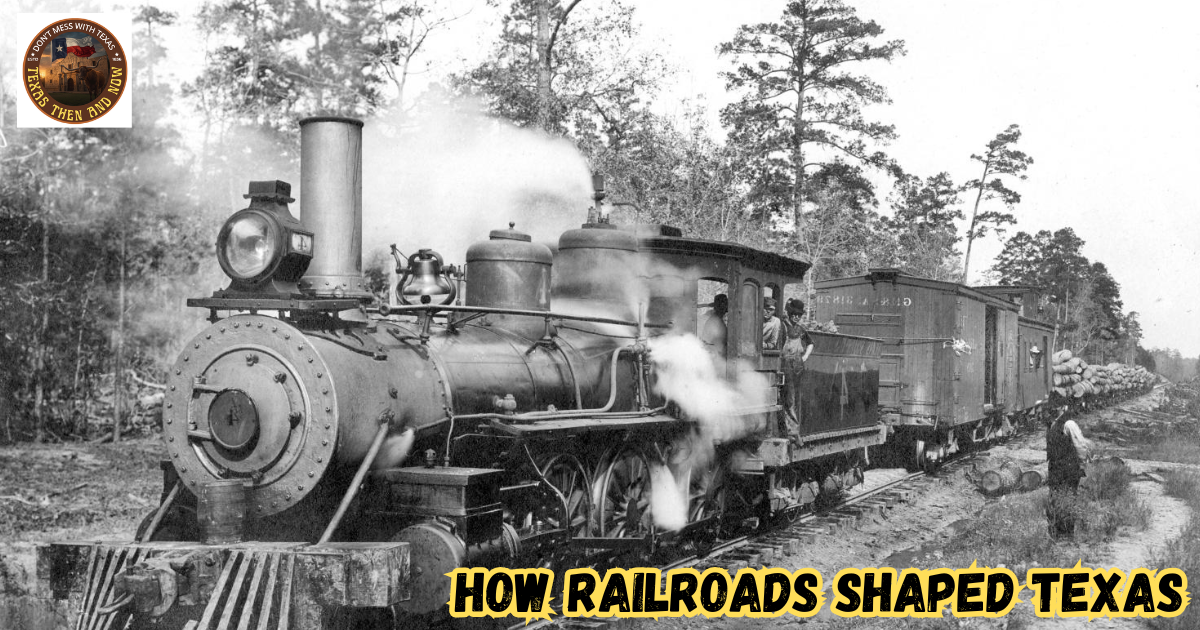
Railroads turned Texas from a quiet patchwork of rural settlements into a booming state packed with busy towns, sprawling cities, and major industries. The story of Texas just wouldn’t be the same without the rise of those long stretches of steel track. I’ve always been fascinated by how laying those rails opened up remote corners of the state, fired up the economy, and helped shape Texas’s unique identity.
The Birth of Railroads in Texas
Before trains, Texas travel was a serious challenge. Roads were rough, rivers weren’t super reliable, and distances felt endless. The arrival of railroads in the 1850s marked a new era. The very first Texas line, the Buffalo Bayou, Brazos, and Colorado Railway, started moving passengers and goods in 1853. Suddenly, trips that once took days or weeks shrank to hours. This one change sparked momentum that would ripple across every corner of the state.
Trains offered a new kind of connection. Settlers, ranchers, and merchants gained direct access to markets far beyond the local area. Texas was no longer an isolated frontier, since railroads tied it to the rest of the country in a way that felt immediate and real.
Economic Boom: New Industries, New Wealth
Railroads brought a massive boost to the Texas economy. In just thirty years, from 1860 to 1890, property values shot up eightfold, and the population soared. It’s easy to see why, once you dig into how rail made business and farming much quicker and more reliable. Here’s what really changed:
- Cattle & Cotton: Before the rails, cattle drives lasted months and were full of risks. Once ranchers could load herds onto trains, they shipped more beef north and made better profits. The cotton industry jumped, too, as trains whisked Texas cotton to ports and northern mills, doubling the state’s output by the end of the 1870s.
- Lumber, Oil, and More: East Texas lumber mills popped up near tracks, turning forests into business. Later, when oil was discovered, trains carried heavy drilling gear and barrels of crude out of fields, putting Texas on the oil map almost overnight.
- Lower Costs, Faster Trade: Shipping by train was way cheaper and quicker than by wagon or horse. Farmers, manufacturers, and shop owners could reach bigger markets and get supplies without weeks of waiting. This helped even small towns get in on the boom.
The impact of railroads on trade extended well beyond goods themselves. Rail lines brought specialty equipment and new technologies, encouraging local industries to pop up around depot towns. Grain mills, ice houses, and machine shops became part of the growing business landscape, and this spark of economic activity attracted even more people, talent, and investment.
Tracking Town Growth: The New Texas Map
Where railroad routes went, towns grew. Sometimes almost instantly. Settlements that landed train depots often exploded with business, while towns left off the map faded or disappeared. You can spot the proof all across Texas:
- Fresh Towns: Some cities, like Abilene and College Station, basically started as train stops and grew from there. Wherever locomotives paused to refuel or let passengers off, communities popped up to serve workers and travelers.
- Cities on the Rise: Dallas, Houston, and Fort Worth started as modest places, but once they became major rail junctions, they boomed. Businesses, banks, and factories flocked there, fast-tracking their growth into powerful metropolitan centers.
- Water Depots and Tiny Stops: Steam engines needed water, so little towns cropped up every 15 to 20 miles along major lines. These spots became social and trading hubs, even if they never got very big.
On the flip side, losing out on a train line could be disastrous. Many communities dried up when bypassed by rail construction, literally getting left in the dust as people moved closer to the track. Even towns that fiercely competed to attract the railroad sometimes offered tax incentives or land plots, hoping to secure a future on the map. This race between communities explains why Texas’s settlement pattern lines up so closely with its historic rail network.
The Politics of Expansion: Land Grants and State Incentives
Building railroads across a state as big as Texas was no easy job, and it took some serious incentives to get it done. The state handed out huge chunks of land to companies willing to lay new track; for every mile built, the builder received over 10,000 acres of land.
Altogether, railroads received about 32 million acres (around a fifth of Texas’s total area). The competition for routes led to both wild success and plenty of drama, with towns and investors racing to attract the next railroad project.
This free land had other ripple effects, too. Railroad companies often turned around and sold the land to settlers or developers, shaping not just the track’s route but also new neighborhoods, industries, and farmlands along the way.
Some of the present-day ranches and towns still carry the history of these deals, so tracing property back to the land office records often circles right back to a 19th-century railroad grant. The government’s strategy for giving out land set the tone for Texas’s open approach toward business, paving the way for rail’s still-visible impact.
Urbanization and Texas’s Emerging Identity
Trains didn’t just help cities grow. They changed what it meant to live in Texas. Once the tracks stretched into West Texas and the Panhandle, even the most remote places became accessible, attracting waves of newcomers.
The idea of “frontier Texas” began to fade, replaced by a lively state marked by innovation and fast-paced change. Suddenly, people could hop a train to visit neighbors, attend cultural events, or connect with communities that used to feel worlds apart.
Railroads also played a part in setting up modern conveniences. The need for schedule coordination led to the adoption of standardized time zones, bringing order to commerce and daily life. Texas cities became mixing spots for people of different backgrounds, turning into true melting pots and setting the state up for the kind of diversity seen today.
Rail lines ran through the heart of many Texas communities, shaping not only the location of businesses and homes but also the rhythm of daily routines. As Texas towns grew larger, depots became gathering places, and local celebrations often centered around the arrival of the latest train or the opening of a new route. The whistle of a distant locomotive meant family reunions, new business deals, and a connection to the rest of the country; all fueling a sense of possibility and pride.
Regulation: Keeping the Rails in Check
With all this growth, stress and conflict weren’t far behind. Railroads gained a lot of power, sometimes acting as local monopolies and charging steep rates. Complaints about unfair practices grew until the state stepped in. The Railroad Commission of Texas was created in 1891 to oversee rates, resolve disputes, and keep things operating fairly.
The commission’s influence grew over time. It now regulates not just railroads, but oil and gas industries, too. Texas’s approach to railroad regulation shaped the way many states and the federal government treated their own transportation networks.
It also gave citizens a bigger voice in how the state handled its newfound wealth and power. This move toward public oversight eventually helped protect small businesses, ranchers, and farmers from being overcharged or locked out of supply chains, making the market more balanced for everyone involved.
Opening the Frontier: Settlement of West Texas
One of the biggest changes trains brought was access to the plains and wild, wide-open spaces west of the Hill Country. Before the 1880s, settlers found it hard to reach these areas, and few stayed for long. As rail lines pushed westward, they made it much easier to bring in building materials, farming supplies, and new people willing to start fresh.
Whole stretches of Texas that looked empty on old maps turned into busy farming towns, ranches, and trading posts thanks to regular train service. This growth wasn’t without conflict. Expanding railroads into areas once occupied by Native American tribes led to more clashes, as waves of new settlers arrived and settled land that had been part of tribal territories for generations. These changes in population and land use added complexity to the story of Texas’s transformation in this era.
Everyday Life on the Texas Rails
Taking the train was an experience that shaped daily life for generations. Families traveled for holidays and business. Merchants sent shipments across the state, confident their goods would arrive safely. Kids watched for the whistle of the passenger train, and small towns set their clocks to the schedule posted at the local depot.
Even today, pieces of this era stick around in old depots turned into museums and historic routes mapped out for tourists. Riding a train through Texas might not be the main way to travel anymore, but echoes of that time are everywhere—in big cities, in family names, and in Texas pride.
In some places, you can even catch a historical ride and imagine what it felt like to soar across the prairie on rails, watching the landscape roll by and feeling the sense of promise that came with every rattling car. Whether through restored train cars or railroad festivals that pop up each year, Texans keep their railroad legacy alive and celebrated.
Frequently Asked Questions
How did the first railroads affect Texas ranchers?
Ranchers benefited a lot from trains. Instead of months-long cattle drives, they loaded livestock onto rail cars and sent them straight to northern buyers, saving time, money, and reducing risk. This change jump-started the Texas beef industry like never before.
Why did land grants play such a big role in railroad building?
Texas used land grants to attract railroad companies to the state. These grants provided land that could be sold or used, making new lines profitable even before the first trains rolled through. Many towns and ranches started on what had been railroad land. In several regions, you can still spot old maps marked by the survey lines of railroad grants that set up new counties, roads, and communities for decades to come.
What role does the Railroad Commission of Texas have today?
It started by regulating prices and railroad safety, but now mostly oversees the oil and gas industry, pipeline safety, and surface mining. The agency still has a strong influence on Texas energy and transportation policy.
Railroads and the Changing Face of Texas
The rise of the railroads turned Texas into the state seen today—a place where big cities, small towns, and booming industries grew up side by side. From cattle and cotton to oil and new communities, nearly every part of life in Texas has tracks running through its history. Seeing an old train yard or a vintage depot drives home just how much these iron rails shaped what Texas became.
Next time you find yourself passing a stretch of old railroad or exploring a Texas city that started with a depot, it’s worth remembering how those trains once made pretty much everything possible in the Lone Star State.
Most Recent Articles:
- Artists And Writers Who Made Texas Famous

- The Story Behind Texas State Capitol Building
- How Texas Railroads Shaped The State’s History

- Women Who Made Texas History

- Notable Cowboys And Ranchers In Texas History
- Famous Texas Rangers Throughout History
As always, stay safe, enjoy the journey, and please try to leave Texas cleaner than you found it. If you have any comments, questions, ideas, or suggestions, please leave them in the comment section below, and I’ll get back to you ASAP. You can follow us on TikTok @texasthenandnowor YouTube @TexasThenandNowfor videos of all things Texas.
P.S. Thanks so much for checking out our blog; we really appreciate it. Just so you know, we may receive a commission if you click on some of the links that appear on our site. This helps us keep our content free and up-to-date for everyone. We appreciate your support!