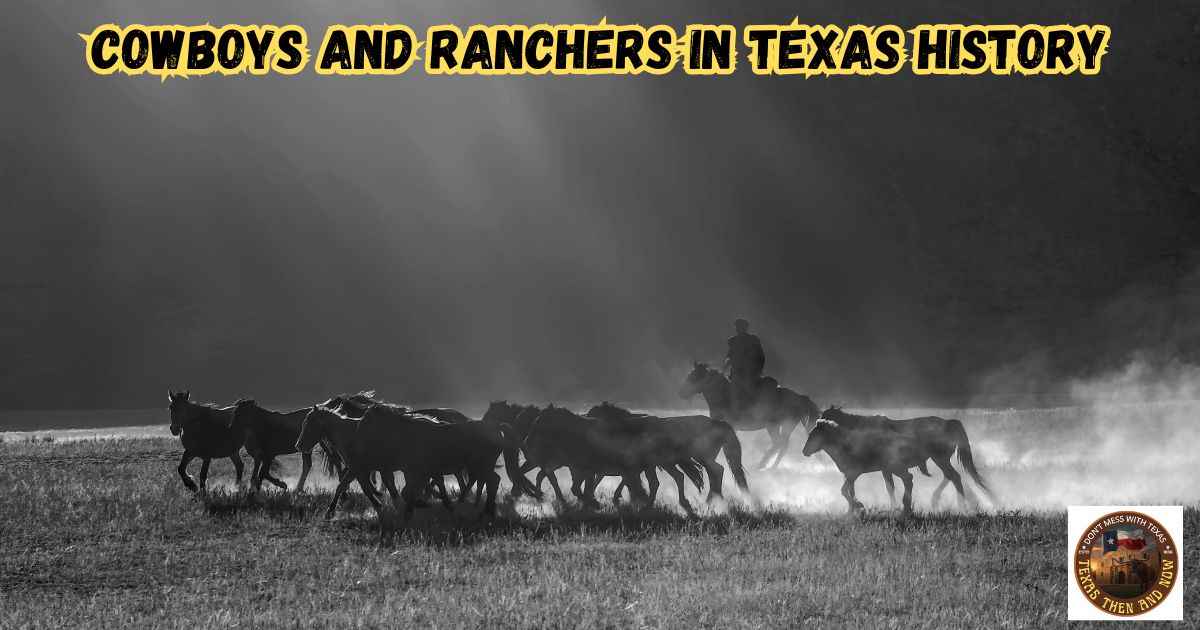
Texas is home to some of the most iconic cowboys and ranchers in American history. These folks didn’t just raise cattle. They drove the economy, pioneered famous trails, and shaped the culture we still associate with the Wild West today. While films usually spotlight rough-and-tumble outlaws, real Texas history is full of hardworking riders, trail drivers, and landowners whose impact is still felt on ranches across the state.
Trailblazing Texas Ranchers and Their Legacy
When it comes to big ranches and even bigger personalities, a few names instantly come up. Charles Goodnight is likely at the top of the list. People often call him the “father of the Texas Panhandle.” He not only set up the JA Ranch, which was the first major ranch up that way, but he also helped create the Goodnight Loving Trail for cattle drives.
His partner on that trail, Oliver Loving, played a key role in getting cattle to new markets out west. Their work set up the system for moving huge herds over wild country, and the stories from those drives fuel a lot of Western legends today.
Richard King is another major player in Texas ranching history. He started King Ranch down in South Texas. Even today, it’s one of the biggest and most influential ranches anywhere in the world. Alongside King, Mifflin Kenedy started the Kenedy Ranch, shaping cattle operations across the lower parts of Texas.
Both ranches became the foundation for running huge spreads, and their descendants are still active in the ranching business. James Taylor White takes us back even further; he is said to have kicked off the very first Anglo-owned cattle ranch in Texas way back in 1828.
His approach to raising cattle was copied for generations. Each of these ranchers set the stage for the modern cattle industry, and you can still spot their brands and names across the Lone Star State.
Famous Texas Cowboys and Trail Drivers
While ranch owners get a lot of attention, the cowboys who lived on horseback day in and day out made Texas ranching real. Bill Pickett is a name you’ll hear over and over. He’s the African American cowboy who invented “bulldogging,” a rodeo event where you wrestle a steer to the ground.
He wasn’t just a performer. He was a working cowboy, breaking in horses and managing herds across the plains. His style and skills inspired cowboys for decades, and his rodeo acts took him around the world. Daniel Webster “80” Wallace stands out for a totally different reason.
He was born enslaved and became “80 John” (for the cattle brands he rode for) before buying his own land and becoming a respected rancher. In a time when opportunities were few for African Americans, Wallace built a successful spread and gained a strong reputation in West Texas.
Bose Ikard deserves mention as well. He worked right alongside Goodnight and was trusted as much as any family member. Goodnight famously wrote that he trusted Ikard “more than any living man.” These are just a few of the many cowboys—Black, Mexican, and Anglo—whose grit and know-how kept Texas cattle on the move and ranches running smoothly.
Vaqueros: The Spanish-Mexican Roots of the Cowboy
Long before Texas became part of the U.S., ranching wisdom came from the vaqueros. These Spanish and Mexican cowhands weren’t just the first; they set up the entire cowboy way of life. Pieces of cowboy gear like lariats (ropes for roping cattle), chaps (leather leggings), and the classic hat-cinch combo all started with the vaqueros.
Their expertise in working cattle, breaking horses, and handling wild terrain was adopted across Texas and became the example for American ranching. Simón de Arocha is a standout from this era. He led an epic 500-mile cattle drive to supply Spanish forces in Louisiana in the 1770s.
Stories like his are reminders that the cowboy legacy is deeply multicultural. Vaquero techniques still influence the way modern Texas cowboys work today, especially when it comes to gear and horsemanship. Many rodeo events and even certain words still used by cowboys have their roots in the vaquero tradition.
Notable Ranches That Changed the Landscape
Some Texas ranches are legendary in their own right. The XIT Ranch covered more than three million acres—so big that riders couldn’t cross it in a single day. The land was actually traded to help pay for building the Texas Capitol, which shows just how huge ranching’s economic role has been in the state.
The Matador Ranch, established in 1879, reached into several states and made its mark with both cattle and horses. The W.T. Waggoner Ranch, founded in 1849, built up a strong reputation for both its herds and its oil discoveries. All these ranches helped define Texas, both economically and culturally, and their legacy continues even as ranching keeps switching up with the times.
Women in Texas Ranching History
It’s easy to think ranching was all men, but women played major roles. Cornelia Adair, for example, managed the JA Ranch after her husband’s death. She handled business, staff, and massive herds during a period when women usually weren’t in charge of such big operations. Her leadership guaranteed the ranch’s lasting legacy and proved that women belonged in the ranching business, even back then.
Women didn’t just stay on the sidelines. Throughout Texas, women helped with everything—feeding and doctoring livestock, rounding up cattle, and even defending land during tough times. Many ranch histories are filled with stories of mothers, daughters, and wives stepping in when needed and showing that grit wasn’t limited by gender.
Modern Names Who Keep the Cowboy Spirit Alive
Ranching and cowboy culture aren’t just history—they’re living traditions. The Texas Cowboy Hall of Fame recognizes folks who keep the traditions of the West going. Nolan Ryan, known for his legendary baseball career, has been involved in raising cattle and horses for years. George Strait, a famous country singer, isn’t just about music; he’s a lifelong rodeo competitor and rancher.
Trevor Brazile, who is an all-around rodeo champion, and Red Steagall, Western poet and musician, add more modern chapters to cowboy history. These individuals show that cowboy skills and ranching lifestyles are still alive and evolving for new generations.
Younger generations, including women and people of diverse backgrounds, continue to jump in, blending tradition with new techniques. Ranches may use new tech or focus on conservation, but the classic respect for land, animals, and hard work is unchanged. Cowboy culture keeps rolling, whether it’s through rodeos, ranching, or just everyday life on the range.
How Cattle Trails Shaped Texas and Beyond
Cattle trails truly switched up the ranching game for Texas. The Goodnight Loving Trail is probably the most famous, running from Texas into New Mexico and on to Colorado. Goodnight and Loving built a route for thousands of cattle to reach bigger markets, helping ranchers turn herds into serious profits.
These trails were more than lines on a map; they were tough, dangerous crossings through wild territory. Trail bosses faced wild weather, deep rivers, and the constant threat of bandits. Cowboys pushing the herds faced long, hard days in the saddle—sometimes for weeks or months. Their courage made Texas beef famous and spread the state’s cattle reputation everywhere.
The Chisholm Trail was another key route, starting in Texas and winding north through Oklahoma into Kansas railheads. Without these trails, the Texas cattle industry couldn’t have grown so fast or reached national markets. The influence of these trails is still celebrated at historic sites and trail rides today.
Influential Techniques and Cowboy Innovations
Every day, cowboy techniques often started in Texas. Charles Goodnight, for example, is famous for creating the chuckwagon; he invented it for those long, grueling cattle drives. Pickett’s bulldogging method is still a highlight in modern rodeo competitions.
The vaquero traditions, with their unique style of riding, roping, and distinctive clothing, have shaped the modern cowboy’s look and skills. Branding irons, crucial for marking cattle, came about from the need to sort and protect herds out on open range.
Texas cowboys also helped set the bar for rodeo sports, herd management, and new gear designs. Innovations like barbed wire changed how ranches managed land and cattle, and helped end the long era of open range.
From tin coffee cups around the campfire to intricate silver spurs now handed down as heirlooms, Texas ranchers and cowboys have brought new ideas and traditions that still stick around today. These practical solutions and creative thinking made life on the range efficient, safe, and sometimes even next-level cool.
Common Questions About Famous Cowboys and Ranchers
Lately, a lot of people wonder about the history of Texas ranches and cowboys, and what parts of that lifestyle are still around. Here are some of the trickiest and most asked questions:
Are any of the major historic ranches still operating today?
Yes, places like King Ranch and the W.T. Waggoner Ranch continue running, sometimes with the same families at the helm or sometimes in new hands. Some ranches even open their gates for tours so folks can get a sense of daily life on a working ranch.
What’s so special about the chuckwagon?
The chuckwagon, dreamed up by Charles Goodnight, worked as a rolling kitchen. It carried food, supplies, and provided shelter during cattle drives that lasted weeks or months. It was the heart of camp life on the trail—it kept cowboys fed, organized, and ready for long days in the saddle.
What are some traditions that cowboys carry on today?
Rodeos, roping skills, horseback riding, and the use of classic gear like spurs, chaps, and saddles all come from old Texas ranching traditions. Modern cowboys, whether at a rodeo or out mending fences, hold on to the pride and know-how that made Texas famous. Cowboy music, poetry, and annual trail rides also help keep these traditions alive.
Ranching’s Lasting Impact on Texas
The stories of Texas’s legendary cowboys and ranchers can be found everywhere—from open range lands and town squares to exhibits in museums across the state. The cattle industry may look different today, but so much of what’s great about Texas culture comes straight from these pioneers.
Whether you’re into history, hunting for a bit of adventure, or just love the idea of wide-open spaces and hardworking folks, Texas cowboy and ranching legends make the past feel close. Their influence is woven right into the state’s identity, reminding Texans and visitors alike what grit, independence, and tradition really mean.
Most Recent Articles:
- Artists And Writers Who Made Texas Famous

- The Story Behind Texas State Capitol Building

- How Texas Railroads Shaped The State’s History

- Women Who Made Texas History

- Notable Cowboys And Ranchers In Texas History
- Famous Texas Rangers Throughout History
As always, stay safe, enjoy the journey, and please try to leave Texas cleaner than you found it. If you have any comments, questions, ideas, or suggestions, please leave them in the comment section below, and I’ll get back to you ASAP. You can follow us on TikTok @texasthenandnow or YouTube @TexasThenandNow for videos of all things Texas.
P.S. Thanks so much for checking out our blog; we really appreciate it. Just so you know, we may receive a commission if you click on some of the links that appear on our site. This helps us keep our content free and up-to-date for everyone. We appreciate your support!