

Juneteenth is more than just a date on the calendar; it’s a reflection of freedom hard won and celebrates a pivotal moment in American history. Every June 19, people across the country mark the day in 1865 when Union troops announced to the enslaved people in Texas that they were free.
A full two years after the Emancipation Proclamation had been signed. For anyone curious about its Texas roots or how it’s celebrated today, having a good grasp of where Juneteenth comes from and what it means can make the holiday feel that much more meaningful.
Texas Beginnings: Setting the Stage for Juneteenth
When Union Major General Gordon Granger rolled into Galveston, Texas, with his troops on June 19, 1865, the Civil War had ended, but slavery in Texas hadn’t. General Granger read out “General Order No. 3,” letting everyone know that slavery was over and that the roughly 250,000 enslaved people in Texas were now free.
The moment carried a huge weight, signaling freedom for those who hadn’t heard or been allowed to practice their rights for over two years. For Black Texans, that day was Black-Owned, which sparked local gatherings almost immediately. The first celebrations kicked off just a year later, in 1866, under names like Jubilee Day or Emancipation Day.
Even though legal freedom had come, the fight for true equality and dignity was just starting, and Juneteenth became a symbol of both progress and continued struggle. This foundational event remains at the heart of today’s celebrations and is why so many people continue to dig into its background year after year.
Early Traditions and Emancipation Parks
Juneteenth’s early days were shaped by the need for community and space. With segregation the rule of the day, Black Texans took matters into their own hands and started pooling money to buy land that everyone could gather on for celebrations. Houston’s Emancipation Park, purchased in 1872, and Booker T. Washington Park in Mexia became go-to spots for Juneteenth events.
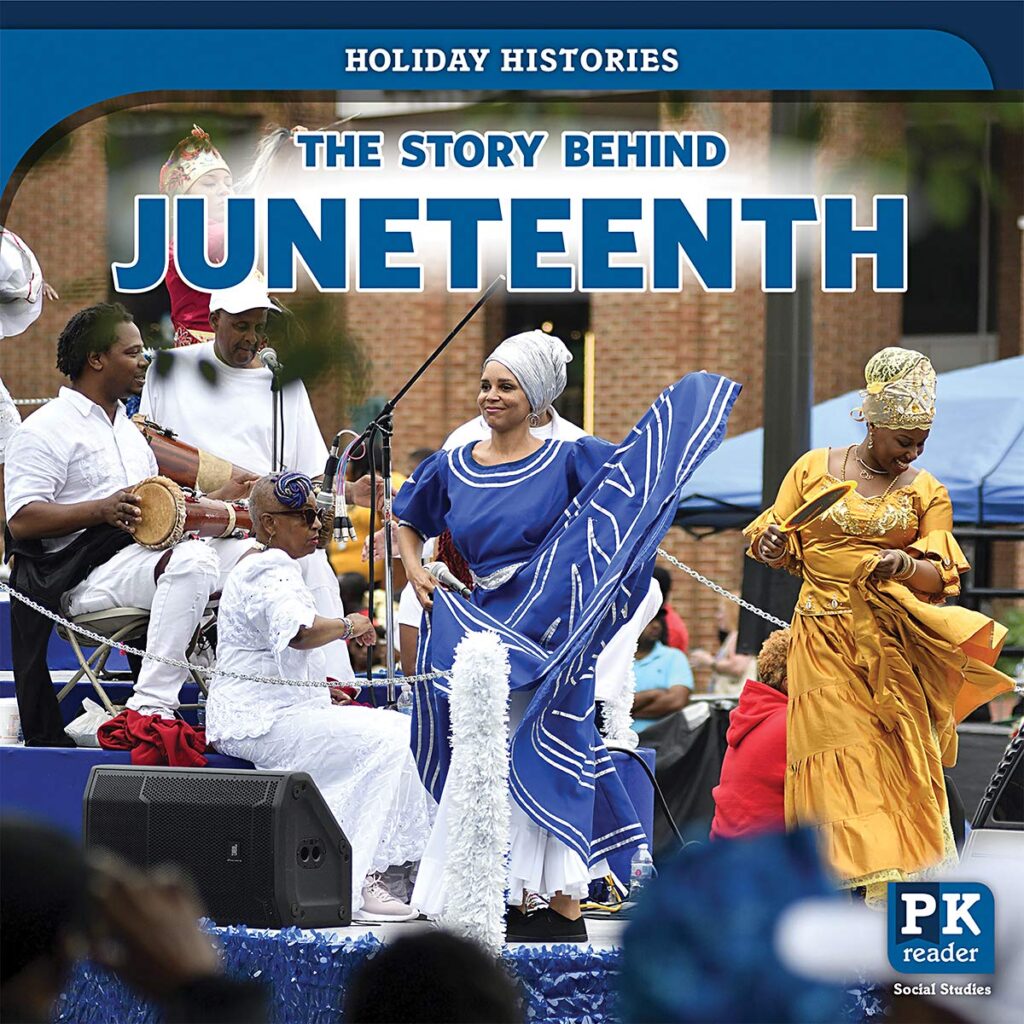
Typical celebrations mixed joy with education; people dressed in their best clothes to show pride in their newfound freedom, children and elders read the Emancipation Proclamation aloud, and the day was filled with parades, barbecues, fishing contests, and even rodeos.
On top of all that, red foods and drinks, like strawberry soda and red velvet cake, became regular features, serving as reminders of resilience and the sacrifices made by ancestors. Many Texas communities also hosted storytelling circles where elders would pass down family histories and tales of struggle and triumph.
Folk artists painted murals to represent the transition from slavery to freedom, and gospel choirs performed spirituals echoing the hope and persistence that defined early Juneteenth gatherings. These traditions helped weave Juneteenth deeply into the social fabric, ensuring its survival even during tough times.
How Juneteenth Grew: Community, Family, and Challenges
Over the next decades, Juneteenth held a special spot in Black communities, especially in Texas. While the holiday spread gradually to other states, there were periods when participation dipped, often because of segregation laws or shifting social circumstances.
Still, families kept up the tradition quietly, hosting home cookouts, church picnics, and small gatherings when public events weren’t an option. The message never faded, though. Black newspapers, churches, and clubs played a big role in keeping the memory and importance of Juneteenth alive, helping grow it from a Texas tradition into a wider movement.
Even when towns and cities tried to downplay the holiday, people adapted, switching focus from big public parades to community education, prayer services, and local pageants. As the 20th century progressed, Juneteenth celebrations began to slowly grow across the country. The Great Migration brought millions of Black Texans and their traditions to cities nationwide.
Sharing Juneteenth in places like Los Angeles, Chicago, and New York helped it bloom far beyond Texas, with new communities giving it their own local spin. This blend of old customs with new ideas highlights how resilient Juneteenth truly is.
Recommended Reading and Resources:


Modern Day Juneteenth: National Recognition and Unity
Fast forward to today, and Juneteenth is now recognized well beyond Texas. The push for national acknowledgment took years, with activists like Opal Lee, often called the “Grandmother of Juneteenth,” walking from Fort Worth, Texas, to Washington, D.C., to build support for making it a federal holiday.
On June 17, 2021, President Biden signed legislation officially making Juneteenth National Independence Day a federal holiday, marking a huge milestone in American history. Modern celebrations can be found all over the United States.
Galveston is still the heart of Juneteenth, drawing visitors for its parades, readings at Ashton Villa (often seen as the “official” start of Juneteenth), Freedom Walks, and even mural tours capturing the spirit of “absolute equality.” Houston’s Emancipation Park turns into a festival ground with live music, guest speakers, and lots of cultural activities.
Austin’s parade runs down Martin Luther King Jr. Boulevard and includes a yearly Miss Juneteenth pageant, celebrating empowered young women in the community. Many cities now host 5K runs, art fairs, and movie nights to bring people together for both fun and education.
Tradition Meets Today: Food, Music, and Reflection
Food remains a big part of the festivities. In addition to classic barbecue, red dishes like pies, drinks, and snacks take center stage. The red color is more than just tradition; it serves as a symbol of strength, survival, and the sacrifice of ancestors. Music also fills the air, especially songs like “Lift Every Voice and Sing,” often called the Black National Anthem.
Guests might hear gospel choirs, jazz ensembles, and hip hop performances all in a single afternoon. Education and activism are part of nearly every event. Many gatherings include history lessons, art exhibits, panel discussions, and voter registration drives, making Juneteenth both a celebration and a day of community action.
The holiday brings families together to recognize the challenges of the past while stressing the importance of human rights work still happening today. Juneteenth is also a time to get into the arts, from hosting poetry slams and live painting to organizing dance contests for kids.
Libraries and museums often put on special displays, inviting everyone to learn alongside each other, making every celebration feel personal and inclusive. These contemporary activities give a boost to traditional customs, ensuring that both the spirit and story of Juneteenth remain lively and accessible.
Key Texas Locations for Juneteenth Celebrations
- Galveston: The birthplace of Juneteenth, with historic markers, guided tours, and museum exhibits offering deep dives into the city’s role in ending slavery.
- Houston: Home to Emancipation Park, the site of some of the largest and oldest Juneteenth events in the state.
- Austin: Known for its vibrant parade and Miss Juneteenth scholarship pageant, which gives local girls a platform to talk about history and hope for the future.
- Dallas/Fort Worth: Hosts community block parties, food festivals, and live concerts, drawing big crowds from across North Texas.
Frequently Asked Questions About Juneteenth
What does Juneteenth mean?
It’s a blend of “June” and “nineteenth,” the date when the last enslaved people in the U.S. were officially told they were free.
When did Juneteenth become a national holiday?
President Biden signed the bill making Juneteenth a federal holiday on June 17, 2021, thanks in part to decades of activism, especially by Texans.
What foods are usually served?
Red foods and drinks like watermelon, strawberry soda, barbecued meats, and red velvet desserts are especially common, symbolizing sacrifice and endurance.
How do people celebrate outside Texas?
Nearly every state now has Juneteenth celebrations, including parades, music festivals, and educational events. Even some workplaces and schools organize panels or film screenings to honor the day.
Practical Tips for Experiencing Juneteenth
- Check Local Events: Look for city websites, community message boards, or local museums for celebration schedules. Taking part in an event hosted on historic grounds, like Houston’s Emancipation Park, feels especially meaningful.
- Cook or Share Red Foods: Even if you’re celebrating at home, whip up something red—think strawberry lemonade, watermelon, or a homemade red velvet cake—to pay tribute to the tradition.
- Read and Reflect: Take time to read the Emancipation Proclamation or General Order No. 3. Sharing stories or introducing kids to picture books on Juneteenth makes the day special for families.
- Support Black-Owned Businesses: Many local restaurants, crafters, and artists host special events or sell themed products around Juneteenth. Supporting them helps keep the holiday vibrant.
- Volunteer or Donate: Many community organizations use Juneteenth as a chance to raise funds for educational programs or social justice causes. Getting involved with these efforts is a meaningful way to celebrate and support progress.
Why Juneteenth Still Matters
Juneteenth is really important not only for honoring the past but also for pushing for change today. This holiday honors resilience while pointing toward a more equitable future. The traditions, foods, songs, and stories all help bring families and neighbors together, ensuring the message of freedom never fades.
Anyone can take part, and learning about the Texas origins of Juneteenth gives even more reason to join in and celebrate every June 19. Joining in on Juneteenth isn’t just about remembering history; it’s about shaping a better tomorrow, one celebration at a time.
Most Recent Articles:
- Texas Renaissance Festival: A Historical Experience

- Juneteenth: Texas Origins And Modern Celebrations

- The San Antonio Fiesta: History And Highlights
- Fort Worth Stockyards: Preserving Cowboy Heritage
- Annual Texas Independence Day Celebrations

- Historic Neighborhoods Of Waco

As always, stay safe, enjoy the journey, and please try to leave Texas cleaner than you found it. If you have any comments, questions, ideas, or suggestions, please leave them in the comment section below, and I’ll get back to you ASAP. You can follow us on TikTok @texasthenandnow or YouTube @TexasThenandNow for videos of all things Texas.
P.S. Thanks so much for checking out our blog; we really appreciate it. Just so you know, we may receive a commission if you click on some of the links that appear on our site. This helps us keep our content free and up-to-date for everyone. We appreciate your support!
