
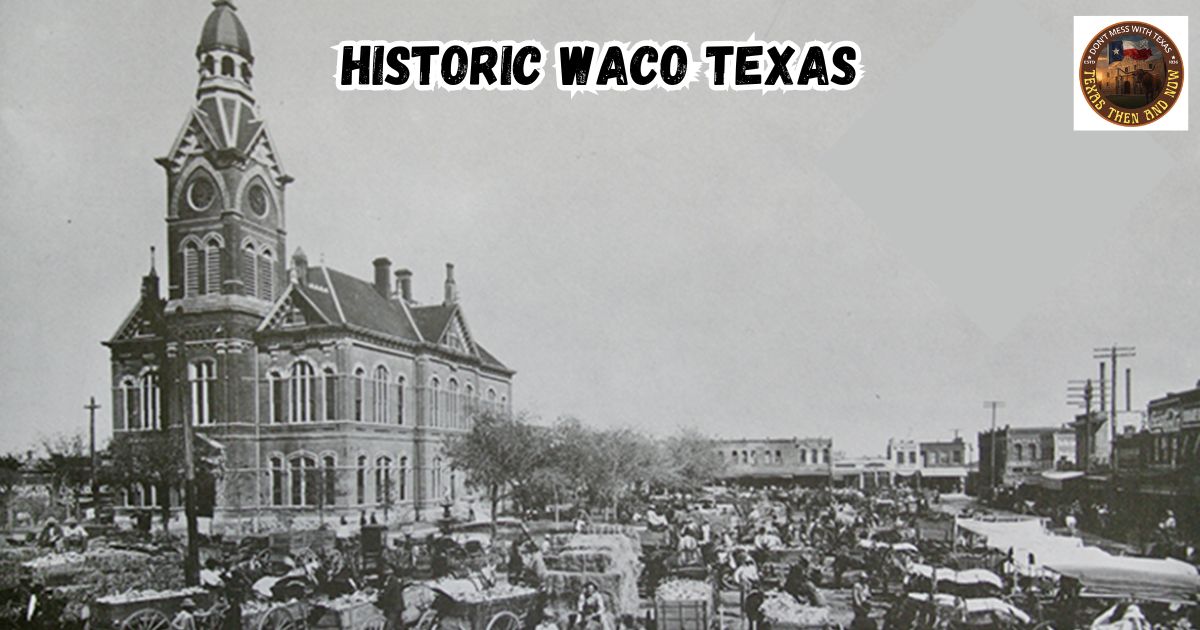
Waco, Texas, is shaped by its history, and nowhere is that clearer than in the city’s older neighborhoods. These areas offer cool architecture, deep community roots, and a real sense of how Waco has changed over time. Spending some time in places like Castle Heights, Sanger Heights, and around Bridge Street is a lot like flipping through a living history book; except this one has parks, old houses, and a few hidden gems you might not expect.
I’ve had plenty of afternoons wandering these streets, and I’m always finding something new. Here’s a friendly, all-in-one look at the historic neighborhoods of Waco, plus some helpful notes if you’re interested in tours or even considering a move.
Waco’s Most Noted Historic Neighborhoods
Some neighborhoods in Waco get a lot of attention for their historic homes, while others stand out for old businesses or their unique community spirit. Each has its own personality and stories to share. So, let’s now have a look at the features I think you’ll really like in these special Waco communities.
Castle Heights
This area is often called the first historic district in Waco, and it’s easy to see why. Castle Heights got its start in the 1920s during the “City Beautiful” movement, with streetcar routes once connecting its treelined streets to the heart of town. The homes are a mix of Tudor, Colonial, and other early 20th-century styles, and you’ll notice the bigger lots and spacious backyards right away.
Being close to Austin Avenue and the Cottonland Castle is a bonus for anyone who wants a feel for old Waco luxury. Many of the homes have been lovingly maintained or updated, and the Historic Waco Foundation keeps much of the neighborhood’s history alive through home tours and events.
Austin Avenue District
Running from downtown to the southern parts of Waco, Austin Avenue showcases everything from late-1800s mansions to cute Craftsman bungalows. More than 25 homes in this area have earned a spot as “architecturally significant” on the Texas Historical Commission’s maps. If you like neighborhoods where every block looks a little different, this stretch is worth checking out.
Austin Avenue was also home to many of Waco’s prominent families, so there are plenty of old stories and local legends attached to the buildings. Grabbing coffee at a local cafe and strolling this avenue on a sunny afternoon is one of my personal favorites.
Sanger Heights
This neighborhood traces back to the 1880s (making it one of the oldest in town), and you can tell from the towering trees and early 1900s homes. Sanger Heights developed around the city’s early streetcar line, and today, you’ll spot Queen Anne and Craftsman-style houses side by side on streets like Colcord Avenue. Back in the day, this was a “streetcar suburb” and a bustling hub for growing families. Many homes have been renovated, and new folks are drawn here for the neighborhood feel and quick access to downtown.
Bridge Street and Sandtown
If you’re really into stories about community strength and transformation, Bridge Street’s history is worth digging into. For decades, this downtown area acted as a focal point for African American business and culture during the mid-20th century.
Shops, nightclubs, and gathering spots lined the street, but many buildings were later replaced due to urban renewal and highway construction. Next door is what used to be Sandtown, an area known for its diverse blend of African American and Mexican American families before much of it was taken out by highway expansion in the 1960s.
Bridge Street is coming back to life today with revitalization projects and community efforts to bring more local businesses and art to the space. Today, new murals, art installations, and open-air events help breathe some life back into the area, making it a great place to check out if you want to get a feel for Waco’s resilient community spirit.
Gholson Heights & Sharondale
These two postwar neighborhoods reflect new ideas about planned housing that showed up in Waco during the 1950s and 60s. Wide roads, ranch-style homes, and roomy lots made them attractive for families looking for something modern but still close to city amenities.
If you love midcentury design or are interested in homes that feel more “Mad Men” than “Gone With the Wind,” these areas offer a real change of pace from older districts. Many architectural details from that era, like large picture windows and open floor plans, remain a draw for homeowners looking for an easy blend of vintage and functional style.
The Cottonland Castle Area
This tiny neighborhood near downtown is home to one of Waco’s quirkiest landmarks: the Cottonland Castle. Construction started back in 1890, and it’s gone through a lot of changes, including a major restoration by Chip and Joanna Gaines.
The area around the castle also features stately homes from the early 1900s, and it’s a favorite spot for architecture buffs who want something outside the usual Southern mansion style. Even if you’re just walking by, the castle itself is an eye-catching sight, and the quiet residential blocks nearby have serious charm. Neighbors often organize small events or fundraisers to keep the historic vibe alive, making it a very community-oriented spot.
Architectural and Historic Details
You can’t talk about Waco’s historic neighborhoods without geeking out a bit on the architecture. The styles range from heavy Tudor stonework to delicate Greek Revival elements and postwar Ranch homes with picture windows. Here’s a list of what you’ll likely see while exploring these areas:
- Tudor Revival: Steeply pitched roofs, brick or stone exteriors, and arched doorways. You’ll spot these mostly in Castle Heights and near the Cottonland Castle.
- Colonial Revival: Symmetrical fronts, gabled roofs, and tall columns. Many Austin Avenue and Sanger Heights homes use this style.
- Spanish Eclectic: Red tile roofs, white stucco, and decorative tilework are sprinkled across a few neighborhoods thanks to Texas’ Spanish influences.
- Greek Revival: Simple white columns and porches, especially on older mansions along Austin Avenue.
- Midcentury Ranch: Low-slung, single-story homes with big yards, mostly in Gholson Heights and Sharondale.
Waco’s signature landmark, the ALICO Building, stands near Austin Avenue and was once the tallest skyscraper in Texas. It adds a nice punch of early-1900s city energy to the skyline and is a local favorite for photographers and history buffs alike. Other structures, like the old Waco Suspension Bridge, also tell tales of the city’s wild past and serve as beautiful backdrops for anyone who loves urban exploration.
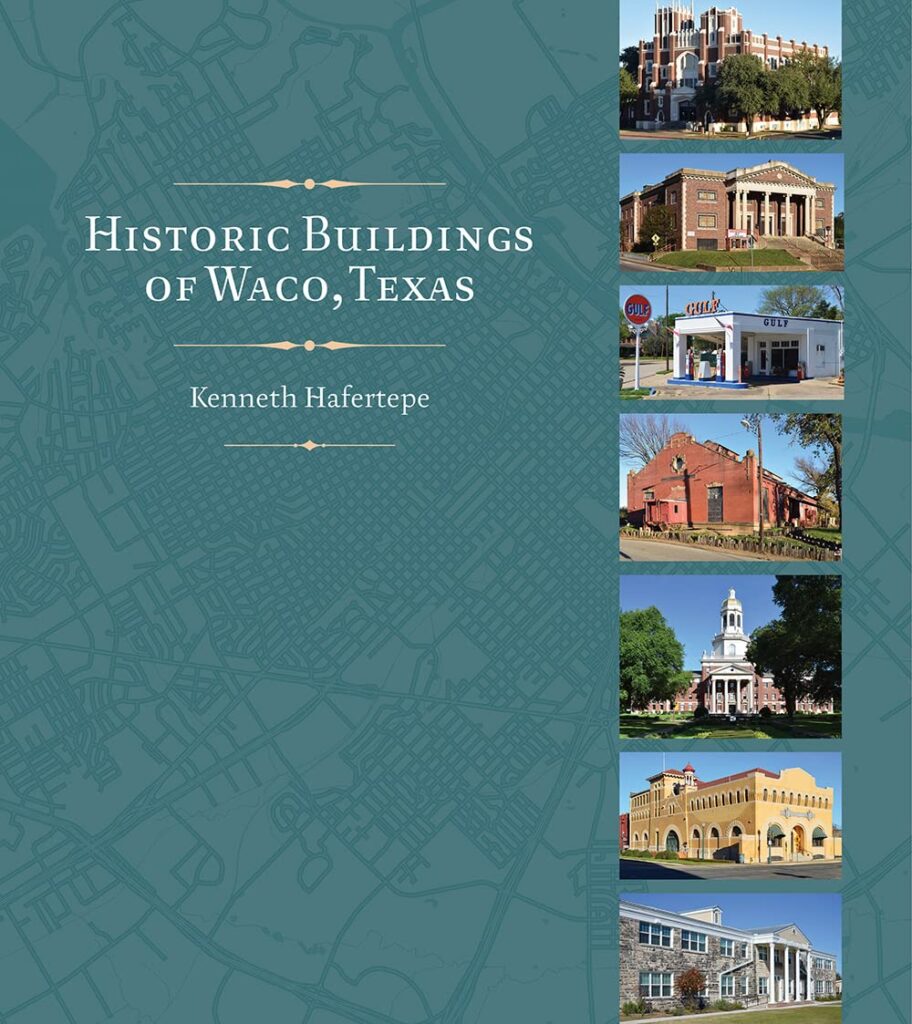
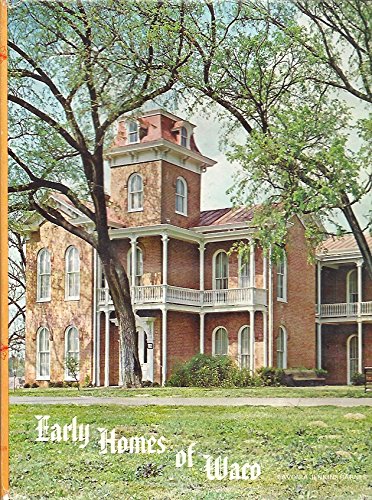
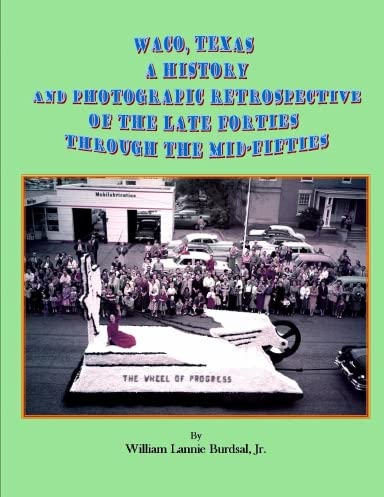
Recommended Reading and Resources:
Historic Homes and Museums You Can Tour
The Historic Waco Foundation works hard to protect and show off some of the city’s oldest buildings. Several homes are open for public tours during special events or by appointment; I highly recommend stopping by at least one to get a feel for how people lived decades ago.
- Earle Napier Kinnard House (1858): Tucked just east of downtown, this Greek Revival home is loaded with antiques and tells the story of Waco’s early years.
- East Terrace House (1872): Overlooking the Brazos River, this house mixes Italianate and Victorian styles. The porches and gardens are super popular for wedding photos.
- McCulloch House (1870s): This house is smaller but full of charm. Its period furnishings, architecture, and family history make it one of my favorite quick visits.
- Conner Home (South 12th St): This spot shines a light on the history and achievements of Waco’s African American community. It’s featured in the Historic Homes of Waco, Texas, walking tour book.
Downtown also features the Dr. Pepper Museum (in a historic bottling plant), the Armstrong Browning Library, and other spots for anyone who likes a hands-on history lesson. Many of these sites host public programs, festivals, or pop-up markets that bring neighbors and visitors together for a full day of learning and fun.
Preservation and Living in Historic Waco Neighborhoods
Living in one of these older areas comes with a unique vibe. In Castle Heights or Sanger Heights, you’ll find neighbors who really care about keeping the old character intact. It’s not unusual to have block parties or neighborhood yard sales, which give even new residents a way to pitch in.
Some homes are officially marked as historic, which can mean certain updates need extra city approval, but they also offer a living connection to the past that new builds often miss. Being able to spot original features, like solid wood doors or hand-laid tilework, is a rewarding part of living in a place with true character.
Local groups, like the Historic Waco Foundation or the Central Texas Historical Association, help homeowners learn about preservation grants, renovation tips, and ways to get involved. Careful research helps buyers make informed decisions about what’s needed if you want to restore an older home.
The rewards, though, can be pretty great: unique details, close-knit communities, and the joy of seeing your own fixer-upper become a neighborhood star. If you value walkability, a sense of history, and a built-in network of community friends, the adventure of restoring a historic home is hard to beat.
Questions and Answers about Historic Neighborhoods in Waco
Some common questions pop up when folks are thinking about visiting, moving to, or restoring homes in Waco’s old neighborhoods. Here are answers from what I’ve seen and learned along the way.
What makes Castle Heights the go-to historic neighborhood in Waco?
Castle Heights offers a rare mix of preserved old houses, shade trees, and friendly neighbors. Its place on the National Register of Historic Places is proof of its place in Waco’s history, and it’s close to parks, restaurants, and city life.
Are there tours or events for visitors interested in these neighborhoods?
The Historic Waco Foundation hosts regular home tours, holiday events, and sometimes living history days at its restored properties. Many walking tour maps and apps guide you through the best sites for a self-guided experience. Public events around Bridge Street also give a deeper look at the city’s Black history and culture.
Is it expensive to buy or restore a home in these areas?
Prices can be all over the map, depending on location and how much work is needed. Some homes are beautifully restored and ready to move in, while others need major upgrades. It’s worth talking to real estate agents who specialize in historic homes, as they often know about hidden listings or what to watch out for in older properties.
Tips for Exploring Waco’s Historic Neighborhoods
Wear comfortable shoes, bring your camera, and take your time; there’s a lot to take in. Walking or biking is a great way to spot little details, like vintage door knockers or original brickwork. Don’t forget to check out local bakeries, coffee shops, and thrift stores; many are set in renovated old buildings and add to the whole experience.
Historic neighborhoods are one of Waco’s best-kept secrets. Whether you’re just visiting, hunting for a new home, or interested in hands-on preservation, these old streets offer plenty of charm and something new to track down every time you visit.
Strolling through these neighborhoods can make you feel connected to all the adventures that shaped the city, letting you step into the past while enjoying the comforts of today. Bottom line, Waco’s historic districts promise a blend of beauty, stories, and warmth you won’t find anywhere else.
Most Recent Articles:
- Texas Renaissance Festival: A Historical Experience

- Juneteenth: Texas Origins And Modern Celebrations

- The San Antonio Fiesta: History And Highlights

- Fort Worth Stockyards: Preserving Cowboy Heritage

- Annual Texas Independence Day Celebrations

- Historic Neighborhoods Of Waco

As always, stay safe, enjoy the journey, and please try to leave Texas cleaner than you found it. If you have any comments, questions, ideas, or suggestions, please leave them in the comment section below, and I’ll get back to you ASAP. You can follow us on TikTok @texasthenandnow or YouTube @TexasThenandNow for videos of all things Texas.
P.S. Thanks so much for checking out our blog; we really appreciate it. Just so you know, we may receive a commission if you click on some of the links that appear on our site. This helps us keep our content free and up-to-date for everyone. We appreciate your support!
