
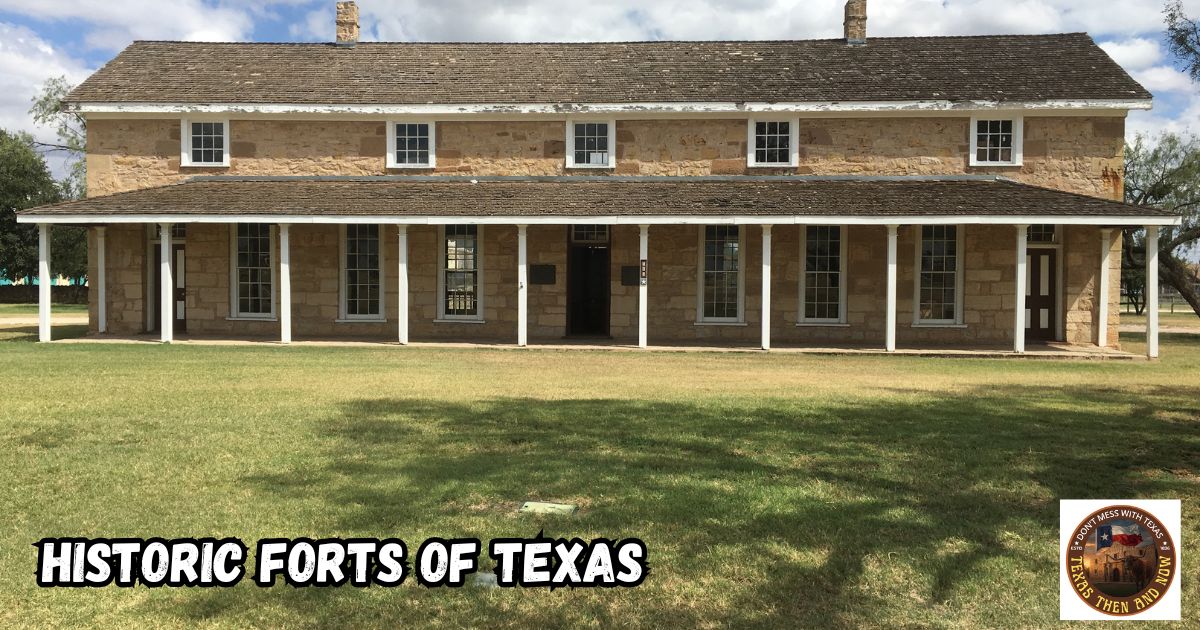
Texas is home to some of the most fascinating historic forts in the country, and exploring them feels a bit like opening a living history book. These forts aren’t just old buildings; they capture stories from the days of frontier settlement, military campaigns, and the switch-up of borders in the wild west. If you’ve ever been curious about the legacy of the Lone Star State or want a deeper sense of Texas’s roots, checking out its historic forts is a pretty solid way to do it.
A Quick Intro to Texas’s Historic Forts
Throughout the 19th century, forts popped up across Texas to protect settlers, stage military operations, and support westward expansion. Most were manned by both Mexican and later U.S. soldiers, and they often clashed with Native American tribes over territory.
Many forts went through multiple lives: some started as missions, some as civilian settlements, and some even became wild frontier towns before being preserved as historical sites. What’s cool about Texas’s forts is how each one reveals a different slice of state and national history.
Most of these spots now act as museums, and several are part of guided driving trails, so it’s pretty easy to fit them into a road trip. You’ll see everything from restored barracks to officers’ quarters, and many sites have museums that dig into the details of daily life, battles, and diplomacy.
Top Forts of Texas to Put on Your List
I’ve noticed there are a few forts that show up over and over in conversations with Texas history buffs and travelers. Here’s a quick overview of the most famous and interesting ones to visit:
- Fort Concho (San Angelo): This fort stands out for how much has been preserved—it’s a National Historic Landmark, and you can check out more than 20 original and restored buildings. The visitor center does a great job explaining Buffalo Soldiers, army cooks, and the everyday frontier experience. There are regular reenactments, too, so there’s always something happening.
- Fort Griffin (Albany): Known for its “wild and woolly” reputation back in the day, Fort Griffin has a mix of preserved ruins and rebuilt structures. Its history blends the usual military story with tales of cattle drives, outlaws, and the infamous Flat, a nearby settlement that was just about as rowdy as they come.
- Fort Davis National Historic Site (Fort Davis): Tucked into the Davis Mountains, this site is one of the best-preserved military forts anywhere in the country. Walking the parade grounds, peeking into restored barracks, and following ranger-led programs make it easy to picture the outpost’s heyday.
- Fort McKavett (Fort McKavett): This one is quieter and a bit out of the way, but if you’re looking for a more laidback site that’s a bit off the beaten path, McKavett has more than 19 standing structures. It’s super atmospheric and tells the story of both soldiers and settlers in a remote part of Texas.
- Fort Belknap (Newcastle): Small but mighty, Fort Belknap gives visitors a chance to explore restored quarters, the powder magazine, and the old well house. There’s a good amount of interpretive signage, and it plays a big role in West Texas pioneer history.
- Fort Sam Houston (San Antonio): Instead of old ruins, Fort Sam Houston is very much still in use, but it has a rich history and is the home of the U.S. Army Medical Department Museum. You’ll get a look at more recent military innovations, along with exhibits about medicine and field care.
- The Alamo (San Antonio): Even if you haven’t visited, you probably know about the Alamo. It started as a Spanish mission, then became the site of the famous 1836 siege that’s central to Texas identity. It’s right in downtown San Antonio and includes exhibits, preserved structures, and memorial gardens.
Following the Path: The Texas Forts Trail
If you’re as into road trips as I am, the Texas Forts Trail is worth checking out. This driving loop covers about 650 miles and connects more than a dozen historic forts, old army posts, and Spanish presidios. The trail wends its way through 29 counties in Central and West Texas, from the rolling plains to the low mountains.
The variety of landscapes is pretty amazing, and you really start to understand why these locations mattered so much back in the day. Some cool spots you might hit on the trail (besides the big ones above) include Presidio de San Saba, which is the largest Spanish fort in Texas, as well as Fort Phantom Hill and Fort Chadbourne.
These smaller sites give you the chance to dig into stories you won’t always find in textbooks. The Texas Historical Commission offers a handy guidebook and plenty of online resources, so it’s easy to plan your stops and get the lowdown on each location.
Don’t forget, the Texas Forts Trail is not just about learning history from a distance; it’s about seeing it up close. Roadside markers and local museums offer information you might otherwise overlook. The trail meanders through charming small towns where you can enjoy authentic Texas food and hospitality—sometimes just a stone’s throw from fort grounds. This road trip shines a light on just how interconnected these old posts were, even when set miles apart.
What to Find at the Forts: Layout, Architecture, and Stories
After stepping onto a few fort parade grounds, I noticed some patterns. Most Texas forts were laid out with a central parade field, perfect for morning roll calls and military drills, surrounded by buildings like these:
- Barracks for the enlisted soldiers
- More comfortable quarters for officers and their families
- Hospital buildings (sometimes complete with old medical equipment and chilling tales of frontier medicine)
- Storehouses, kitchens, and stables
- Guardhouses and powder magazines for munitions
The construction materials often depended on what was around—stone if it was plentiful, logs or adobe in other places. You’ll find some structures have thick, hand-cut stone walls, while others use timber frameworks and big porches for shade.
Several forts still have original furnishings, letters, photos, and vintage uniforms to help paint a picture of daily life. Each site’s museum or visitor center usually displays artifacts from camp life: uniforms, rifles, cooking equipment, and sometimes personal journals.
Stories about conflicts with Plains tribes, the arrival of the railroad, or new waves of immigrants are pretty common. Ranger talks and interpretive programs make it really easy to pick up the smaller stuff you’d otherwise miss just walking around.
Planning Your Trip: Activities and Tips
Visiting a Texas fort is not just about admiring old buildings. Guided tours, audio walks, and even living history demonstrations like period cooking or black powder shoots pop up at many locations, especially during weekends or special events. Kids and adults, honestly, tend to love scavenger hunts or dressing up in old uniforms provided by staff at some sites.
Feel free to take a self-guided tour, especially if you like moving at your own pace and snapping photos—just watch for posted rules about where you can or can’t wander. Most forts charge just a small admission fee or suggest a donation, and your money keeps these special places open and restored for the next round of visitors.
For folks traveling with pets or anyone who wants to picnic, several forts have public green spaces. Many also have small campgrounds nearby, so it’s absolutely possible to string together a multiday fort crawling adventure. If you plan to visit during the hotter months, bring water, sun protection, and maybe a hat; Texas weather is no joke, especially in the open spaces around these forts.
Before heading out, it’s smart to check for special events, which might include reenactments, food festivals, or local fairs. Timing your trip around these activities can make your fort adventure much more eye-catching and memorable. Don’t hesitate to ask rangers or staff for recommendations; they often know local lore or secret viewpoints perfect for photos and reflection.
Helpful Resources and Recommended Reading
If you want to dig deeper, check out these sources for maps, official guides, and all-in-one stories:
- Texas Historical Commission Forts Guide – A downloadable PDF mapping out every site in the system, with directions and highlights.
- Texas Forts Trail Region travel planner – Route ideas, local eateries, and historic spots beyond just the forts.
- Frontier Forts of Texas by Bill O’Neal – An illustrated book packed with backstories, cool maps, and photos of the forts then and now.
- If These Walls Could Speak by Robert M. Utley – A good read for anyone who wants plenty of visuals and quirky anecdotes about what daily fort life was really like.
Between official park websites, freely available maps, and some local visitor centers, planning a historic fort trip in Texas is super doable. Many of these sources give updates on upcoming festivals, reenactments, and construction, which is helpful for timing your visit. Local libraries and history groups are good resources, too, if you’re the sort who likes to talk directly with folks who know the area inside out.
Whether you’re a diehard Texas history fan or just browsing for a laid-back weekend adventure, the historic forts of Texas are a fun and insightful way to see a different side of the state. Every fort has a story to tell, and wandering these sites can totally change how you see Texas’s past, and maybe even its present.
Frequently Asked Questions about Texas’s Historic Forts
Curious about what you’ll actually experience at the sites or have a question before you hit the road? You’re not alone; here are a few answers to things I’ve been asked a lot:
Are the forts open year-round?
Most forts are open throughout the year, but hours can vary by season. It’s best to check official websites for current schedules, especially during holidays or summer months.
Can you tour inside the buildings?
Many forts have several buildings open for walkthroughs, often with period furnishings or exhibits. Some areas are closed for preservation, so just watch for signs or ask staff. Guided tours usually get you the most access.
Is the Texas Forts Trail possible in just one weekend?
You’ll probably want at least a few days if you plan to explore several of the main sites along the Texas Forts Trail. Some people tackle it over a long weekend, focusing on a region or cluster of forts rather than doing the entire loop at once.
Are the sites accessible for strollers and wheelchairs?
Many major forts, especially national and state historic sites, have accessible paths or ramps. However, some grounds are rocky or uneven. Calling ahead or checking the accessibility info on the fort’s web page is a smart move if someone in your group needs assistance.
Most Recent Articles:
- Artists And Writers Who Made Texas Famous

- The Story Behind Texas State Capitol Building

- How Texas Railroads Shaped The State’s History

- Women Who Made Texas History

- Notable Cowboys And Ranchers In Texas History

- Famous Texas Rangers Throughout History

As always, stay safe, enjoy the journey, and please try to leave Texas cleaner than you found it. If you have any comments, questions, ideas, or suggestions, please leave them in the comment section below, and I’ll get back to you ASAP. You can follow us on TikTok: @texasthenandnow for videos of all things Texas.
P.S. Thanks so much for checking out our blog; we really appreciate it. Just so you know, we may receive a commission if you click on some of the links that appear on our site. This helps us keep our content free and up-to-date for everyone. We appreciate your support!