
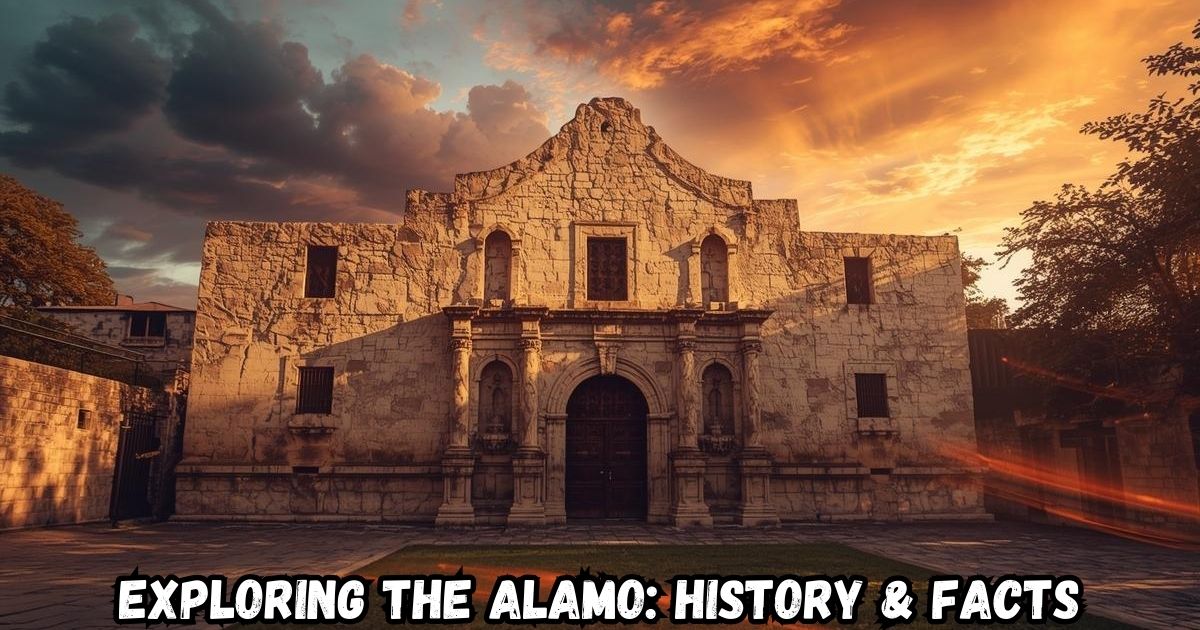
The Alamo is a landmark anyone interested in American history has probably heard of, and for good reason. Sitting in the middle of San Antonio, Texas, this former mission turned fortress has seen more than its fair share of action, drama, and transformation.
On a personal trip there, I didn’t just see an old building—walking into the past, surrounded by stories and echoes of an era that shaped modern Texas, was a powerful experience. If you’re curious about what makes the Alamo so special or you’re getting ready for a visit, I’ll lay out everything you might want to know, from its beginnings as a Spanish mission right up to its role in popular culture today.
Origins of the Alamo: From Mission to Military Post
The story of the Alamo starts in 1718 when it was founded as Mission San Antonio de Valero. The goal was to help convert and support Native American communities by teaching Catholicism and basic skills for working life. It’s pretty fascinating that the main building, originally a simple chapel and compound, would later be at the center of Texas’s fight for independence.
The mission grounds saw community gatherings, daily routines, and both celebration and hardship, making it a vibrant part of early San Antonio life. Back then, Spanish settlers relied on missions like this for evangelism and for expanding their settlements.
The mission wasn’t just a church; it operated as a school, a farm, and a hub for local activity. Over the decades, the mission grew, facing challenges like droughts, raids, and shifting populations. By the late 1700s, it was becoming less about religion and increasingly centered on community, as new generations started to settle down and form what would soon be known as the Pueblo de Valero.
By 1793, the mission was secularized; this means the Spanish church handed control over to the local settlers, and the buildings were used for civilian life. It didn’t take long before the Spanish military recognized its sturdy walls and central location, turning it into a military post under the name “Alamo”.
That name comes from the Spanish word for cottonwood trees (since a grove grew nearby) and also from a hometown in Mexico for the soldiers stationed there. That name stuck, and it’s what we use today. Throughout the early 1800s, the Alamo was a military outpost, playing host to troops and witnessing changes in power as Texas itself changed hands.
The sturdy walls and storied grounds kept pulling people in, giving the site a unique identity in the local landscape. By the time Mexican and Texan politics grew tense, the Alamo was recognized both as a strategic point and as a symbol of standing firm in the face of challenges.
The Alamo and the Texas Revolution
Things took a major turn in the early 1800s as tensions heated up between Texas settlers (many of whom were recent immigrants from the United States) and the Mexican government. San Antonio, and especially the Alamo fortress, became a strategic target for both sides. The story of this conflict is one of clashing cultures, hopes for independence, and holding tight to visions of the future.
December 1835: Texan Control
The Texan revolutionaries, frustrated with Mexican rule, led an assault on San Antonio in December 1835 and took control of the Alamo. Setting up camp inside, they anticipated that the Mexican army would be back, so they fortified the place as best they could. Among their ranks were now-famous names like James Bowie, William B. Travis, and Davy Crockett, each bringing their own brand of heroism (and sometimes myth!) to the story.
To further secure their position, the defenders strengthened walls, collected provisions, and sent out pleas for reinforcements, knowing a showdown was on the horizon. Letters from inside paint a picture of anxious hope, with every member contributing to the defense in their own way.
The 13-Day Siege and Battle
On February 23, 1836, General Antonio López de Santa Anna’s forces arrived in huge numbers. Around 170 Texan defenders were inside the Alamo, completely surrounded. Over thirteen days, the defenders held off repeated attacks. Reading several personal letters and diary entries from survivors and family members really shows how dire the situation was.
Supplies were low, moral support was crucial, and reinforcements weren’t coming. On March 6, 1836, the Mexican army stormed the walls. The defenders fought fiercely, but they were outnumbered, and eventually everyone inside was killed.
Crockett, Bowie, Travis; these names all met their end here, turning them into legends and, for many Texans, martyrs for independence. The sacrifice and sheer bravery displayed during those chaotic moments became the stuff of legend, marking the Alamo as a defining moment in the Texas Revolution.
Remember the Alamo: Why It Became a Symbol
The defeat at the Alamo had an enormous impact, both in Texas and beyond. Instead of just being a lost battle, it became a rallying cry—”Remember the Alamo!”—used to fire up Texan soldiers in the weeks that followed. In the immediate aftermath, the sense of loss transformed into determination, motivating the revolutionaries to keep pushing.
It wasn’t long before Sam Houston’s army turned the defeat into a motivation, winning independence at the Battle of San Jacinto just a month later. The famous phrase “Remember the Alamo!” signaled not just a memory but a symbol of resistance and the high price of freedom.
Over the years, the story was retold and reshaped, turning the Alamo into a symbol of courage, defiance, and the idea that standing up for what you believe in is always worth it. Local school groups visit, and almost everyone can share a snippet of the story (usually with Davy Crockett’s name thrown in!). The emotions tied to the siege are still felt today, and the lesson of unity in the face of adversity continues to resonate.
Touring the Alamo Today
If you’re planning to visit, the Alamo isn’t just a single building. It’s actually a complex, restored and carefully preserved, right in the heart of San Antonio. You can walk through the main chapel (which is the structure most people recognize), the surrounding gardens, and the old barracks area. The energy of the grounds and the careful preservation work make the trip meaningful for both first-time visitors and Texas history fans alike.
The on-site museum offers a close-up view of artifacts, weapons, and personal belongings from both sides of the battle. The exhibits talk about life before, during, and after the famous siege, and also give context on the cultural mix that shaped early Texas.
I always recommend spending time reading the plaques and talking with the volunteer guides. They know their stuff and can give you insights that aren’t in most textbooks, answering questions about the intricacies of the mission’s daily life and the famous final siege.
The gardens, shaded by those same cottonwood trees that gave the Alamo its name, offer a chance to pause and reflect on everything you’ve just seen. I found it quite powerful being there at sunset. The quiet, with the city sounds fading away, really brings the weight of history home.
For many, the peaceful grounds serve as a reminder of the calm that follows even the toughest moments in history. Recent years have seen new exhibits added, improved accessibility, and interactive displays so that guests of all ages can find something to connect with.
There are often special events, living history demonstrations, and talks by knowledgeable staff bringing the Alamo’s past to life. Whether you’re interested in architecture, battle tactics, or the daily lives of people who once lived there, the current experience lets you step directly into a piece of the past.
Key Facts and Little-Known Details
- The Original Mission: Established by Spanish Franciscan priests, the main goal was to serve Native Americans, offering education, protection, and religion.
- Changing Hands: Over a hundred years, the site changed roles multiple times, shifting from mission, to community center, to military fort under both Spanish and Mexican control.
- Size of the Last Stand: Roughly 170 Texan defenders faced thousands of Mexican soldiers during the final attack. The enormous odds stacked against them have become an important part of what draws people to the story all these years later.
- Aftermath: Only a few people survived—mostly women, children, and enslaved people who were inside the Alamo but not involved in the fighting. These survivors were sent out by Santa Anna to spread word of his victory, and their stories are among the few firsthand accounts we have.
- Architecture: Most of the original outer walls are gone now, but the famous chapel remains, along with archaeological remains and old foundations visible throughout the complex. If you look closely, you can see how building techniques reflect a mix of Spanish, Mexican, and frontier influences.
- Ongoing Archaeology: Ongoing digs and research on the grounds have uncovered artifacts and shed new light on both the battles and day-to-day life over the centuries, contributing to a richer, more detailed story for visitors and historians alike.
What Happened After the Battle?
The site was left in ruins for a while after 1836, and locals repurposed parts of it for housing and businesses. It wasn’t until late in the 1800s, when interest in Texas history grew, that efforts started to preserve and restore what was left.
Since then, the Alamo has become a state historic landmark, with nonstop work to keep its buildings and grounds safe and welcoming for future generations. During my visits, the sense of stewardship is clear; Texans take their heritage seriously and are always excited to share stories with new visitors.
In the twentieth century, organizations like the Daughters of the Republic of Texas took charge of maintaining and expanding the legacy of the site, adding plaques and exhibits and working with local and state authorities to keep the story alive. Preservation initiatives now go hand in hand with modern storytelling, so that new generations keep stumbling upon both the harsh truths and next-level cool legends attached to the Alamo.
Understanding the Myths Versus the Real Story
There are plenty of myths about the Alamo, fueled by movies, TV shows, and tall tales. Davy Crockett, for example, is often pictured dying fighting to the last breath, while some early sources suggest he was captured and then executed.
Stories like these have become part of Texas folklore, but they also remind us to look for real evidence and firsthand accounts when learning about the past. If you’re curious to check out the facts behind the fiction, museum exhibits and historical markers on the grounds provide useful context, separating the real from the exaggerated.
Digging into history is more complicated and interesting when you get into the details behind the legends. The Alamo’s defenders weren’t superheroes—they were regular people from different backgrounds, making tough decisions under pressure. Understanding their diverse backgrounds, hopes, and choices helps paint a complete picture that’s powerful on its own and doesn’t need extra embellishment.
FAQs About the Alamo
What was the Alamo originally built for?
The Alamo started as a Spanish mission built to support and convert Native Americans, serving as a church and a living space for the community.
How long did the Battle of the Alamo last?
The siege and battle lasted a total of 13 days, from February 23 to March 6, 1836.
Why do people say “Remember the Alamo”?
This phrase became a rallying cry during the Texas Revolution, reminding fighters of those who died defending the fort and motivating them in future battles.
What can I see if I visit the Alamo today?
You’ll be able to walk through the chapel, see exhibits in the museum, explore gardens, and learn more about Texas history from staff and volunteers. Don’t miss out on special events—they add extra energy and context to your visit.
Is there a best time to visit the Alamo?
The Alamo welcomes visitors throughout the year, but mornings tend to be quieter. Evening hours, close to sunset, offer a peaceful way to absorb the atmosphere and soak up the history. Be sure to check for any seasonal events or guided tours for the most complete experience.
The Alamo’s Lasting Place in History
Visiting the Alamo or reading up about it turns history into something real and relatable, not just something stuck in old textbooks. For Texans and anyone interested in American history, it’s a reminder of bravery, struggle, and the way one place can influence a nation’s story.
If you ever find yourself in San Antonio, it’s definitely worth checking out in person—the blend of myth, memory, and living history makes for an adventure you won’t soon forget. By walking the grounds, talking with guides, or just standing quietly in the chapel, it’s easy to get a sense of the sacrifices made and the powerful story that keeps drawing people to the Alamo generation after generation.
As always, stay safe, enjoy the journey, and please try to leave Texas cleaner than you found it. If you have any comments, questions, ideas, or suggestions, please leave them in the comment section below, and I’ll get back to you ASAP. You can follow us on TikTok: @texasthenandnow for videos of all things Texas.
P.S. Thanks so much for checking out our blog; we really appreciate it. Just so you know, we may receive a commission if you click on some of the links that appear on our site. This helps us keep our content free and up-to-date for everyone. We appreciate your support!