
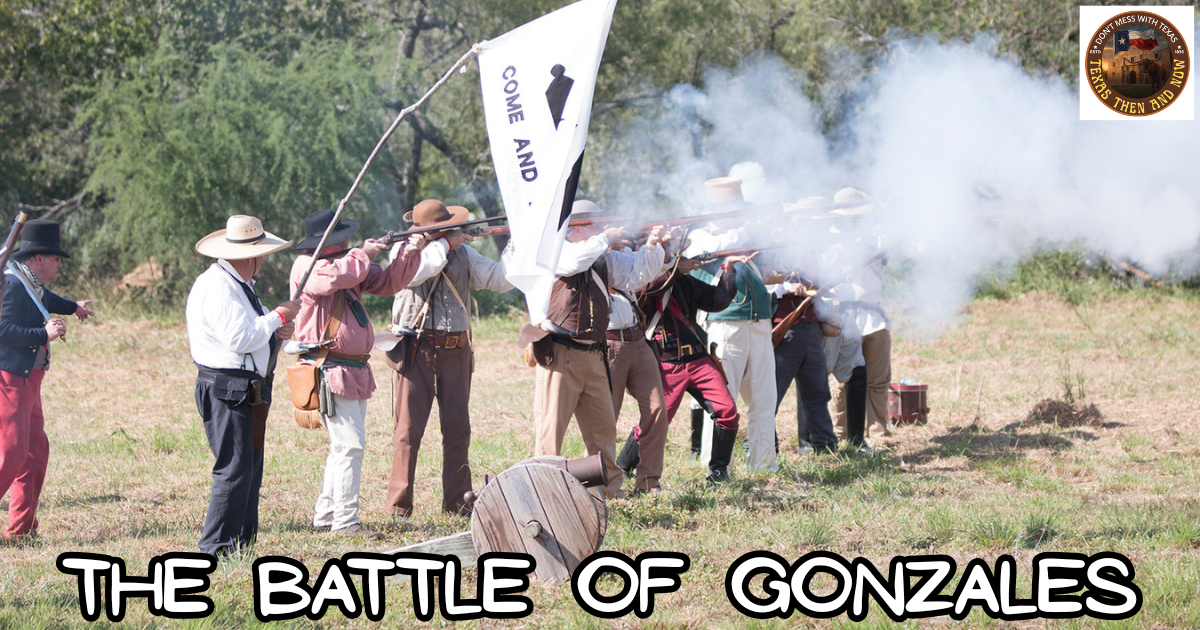
The Battle of Gonzales reenactment is an event that keeps a pivotal moment in Texas history alive. Every year, crowds gather in Gonzales, Texas, to experience a live retelling of a skirmish that sparked the Texas Revolution. It’s more than just actors in costume.
It’s a blend of education, community spirit, and hands-on history that draws locals and visitors alike. I’m always taken in by the sense of excitement as people relive the famous “Come and Take It” standoff, and there’s something unforgettable about seeing a community work together to preserve its story, ensuring it doesn’t fade with time.
Why the Battle of Gonzales Still Matters
The actual battle took place back on October 2, 1835. Tensions were already high between Mexican authorities and Texian settlers, but the real drama started when Mexican soldiers tried to reclaim a small cannon that had been given to the settlers for defense.
The people of Gonzales refused, raising a flag emblazoned with a black cannon and the bold words “Come and Take It.” This simple act of defiance lit the fuse that would lead to the larger Texas Revolution. Today, the reenactment isn’t just about battle scenes. It’s a way to connect with what those early Texans went through. These were people who risked a lot for what they believed in.
I’ve found that seeing the history acted out, rather than just reading it in a textbook, really helps everyone—from kids on school trips to tourists—to grasp why this event is a big deal in Texas and American history. The live drama brings the stakes and the urgency of that era to life for the audience.
What Happens at the Battle of Gonzales Reenactment?
The reenactment is usually held in early October, lining up with the anniversary of the original battle. The main event takes place at Pioneer Village Living History Center, where the area is transformed to look like 1830s Gonzales. Costumed actors get into character as both Texian settlers and Mexican soldiers, bringing the historical moment to life with every action and line spoken.
The standoff itself gets a lot of attention. You’ll see around 150 “settlers” facing off against about 100 “Mexican dragoons”—complete with a replica cannon, black powder musket volleys, and the unmistakable boom that echoes across the field.
One of my favorite touches is the “Come and Take It” flag, waving defiantly above the crowd. The thick clouds of smoke and shouts of commands make it easy to imagine just how tense the real standoff must have been, helping spectators get a feel for the courage and uncertainty that defined the day.
After the main action, there is usually time to walk through historical camps, visit with reenactors, and check out displays of everyday objects from the time period. You can see demonstrations on blacksmithing, period cooking over open fires, and even spinning wool.
These displays offer a closer look at what daily life was like. I find these glimpses especially compelling, since they make the story more real and relatable. Children and adults alike enjoy watching these essential skills in action, giving a sense of how families built their lives during turbulent times.
Preserving the History: Museums and Memorials
The reenactment itself is only one part of Gonzales’ history preservation efforts. If you’re curious about the actual artifacts, the Gonzales Memorial Museum is worth checking out. Among the highlights: the original cannon said to have sparked the battle. It’s displayed alongside documents, uniforms, and other items dedicated to early Texas history. The museum helps to give visitors a resource for further exploration.
Walking through the museum, you pick up on details that the live show can’t always capture; there are letters, maps, and personal stories of the “Immortal 32,” a group of volunteers who rushed to defend the town after the first shots.
Anyone wanting to dig deeper will find that these pieces shed light on the larger struggle for Texas independence. There are even interactive displays so you can map out timelines or listen to descendants share family stories passed down since 1835.
How the “Come and Take It” Festival Adds to the Experience
The Battle of Gonzales Reenactment is part of a broader festival, and the whole weekend has a welcoming, family-friendly vibe. The Come and Take It Festival takes over downtown Gonzales with a mix of history and small-town fun; think parade floats, classic car shows, a lively carnival, and even a Flying Chicken Contest (yes, that’s really a thing here).
The parade is especially popular, with hundreds of entries making their way down the main street. There’s country music, good food, booths selling crafts and local goodies, and volunteers happy to share stories about why this tradition means so much.
I always recommend sticking around for the music and food—a brisket plate while you listen to a local band really hits the spot after a busy day. The festival vibe helps visitors bond with each other and with locals, giving everyone a reason to return year after year.
Pointers for Getting the Most Out of Your Visit
If you’re thinking of attending, there are a few things I’ve picked up that can make the experience even better and smoother:
- Arrive Early: The town gets busy, especially on Saturday when the parade and main reenactment are held. An early arrival means easier parking and a good spot for watching the action. Plus, you get a chance to chat with locals and enjoy breakfast before things heat up.
- Plan for the Weather: Texas in October can be unpredictable—sometimes hot, sometimes chilly. Bringing a hat, sunscreen, and a light jacket covers most bases. Sometimes a pop-up shower rolls through, so having a small umbrella can also come in handy.
- Bring Some Cash: While many vendors now accept cards, some food and craft booths are still cash-only. It’s a good way to support local groups and take home a unique souvenir. Some festival games also require small change, so keeping a little cash in your pocket makes things easy.
- Explore Beyond the Battlefield: Don’t just stick to the main event. The Pioneer Village’s living history displays and the Gonzales Memorial Museum both offer extras you won’t want to miss. Strolling through side streets can also lead you to smaller exhibits and friendly conversations with local historians.
Frequently Asked Questions
Here are a few things I often get asked by people thinking about coming to the Battle of Gonzales Reenactment:
When is the Battle of Gonzales Reenactment held each year?
The event is usually the first weekend of October. Schedules sometimes switch, so it’s always best to check the official festival site for updates before planning your trip.
How much does it cost to attend?
Entry to the Pioneer Village reenactment is pretty affordable; recent years have seen admission around $6 for adults and $3 for children. The festival itself is mostly free to wander, though rides and food will be extra. Some optional tours may have additional fees, especially for specialty exhibits.
Is the event suitable for kids?
Yes, families are everywhere. Between the living history lessons, the parade, music, and carnival rides, there’s a lot for kids to enjoy. The festival setup is welcoming, with staff ready to keep a watchful eye out for safety while ensuring fun and learning go hand in hand.
Can you visit the actual cannon?
The original cannon believed to have played a role in the battle is on display at the Gonzales Memorial Museum, a quick drive from the main festivities. The museum staff is always happy to share extra details and stories about the artifact for those who are curious.
Educational Value and Community Impact
The reenactment draws in school groups, history buffs, and folks just out for a fun weekend. For teachers and parents, it’s a solid way to introduce young people to Texas history in a hands-on, memorable way. I’ve noticed kids come away talking about the characters they met, the cannon’s story, and the feeling of being part of something big—much more than what a textbook alone can deliver.
Kids especially remember the sounds, costumes, and excitement of live reenactments for years. Locals put a lot of pride into running and maintaining these events, passing skills and stories from one generation to the next. Volunteers range from lifelong residents to young students eager to learn something new.
Their dedication helps preserve not only the facts but the spirit of those who lived through the original events. I think seeing a community invest so much in its roots is really inspiring and fosters a deeper appreciation for shared heritage. The entire event lifts the city’s legacy and passes it forward to future generations.
Why Supporting Events Like This Matters
Keeping history alive is a group effort, and events like the Battle of Gonzales Reenactment give people a chance to connect with the past in a lively, engaging way. I always come away with a new appreciation for the stories, struggles, and little details that shape where we live now. I
f you ever find yourself near Gonzales in October, it’s definitely worth checking out, not just for the show, but for the chance to experience a piece of living history. Every year, the sights and sounds echo the spirit of independence and community, so don’t miss your shot to be part of the tradition. The next time you see a “Come and Take It” flag flying proudly, you’ll know the story behind it.
Most Recent Articles:
- Battle Of Gonzales Reenactment: Preserving History
- Texas Renaissance Festival: A Historical Experience

- Juneteenth: Texas Origins And Modern Celebrations

- The San Antonio Fiesta: History And Highlights
- Fort Worth Stockyards: Preserving Cowboy Heritage

- Annual Texas Independence Day Celebrations
As always, stay safe, enjoy the journey, and please try to leave Texas cleaner than you found it. If you have any comments, questions, ideas, or suggestions, please leave them in the comment section below, and I’ll get back to you ASAP. You can follow us on TikTok @texasthenandnow or YouTube @TexasThenandNow for videos on all things Texas.
P.S. Thanks so much for checking out our blog; we really appreciate it. Just so you know, we may receive a commission if you click on some of the links that appear on our site. This helps us keep our content free and up-to-date for everyone. We appreciate your support!
