
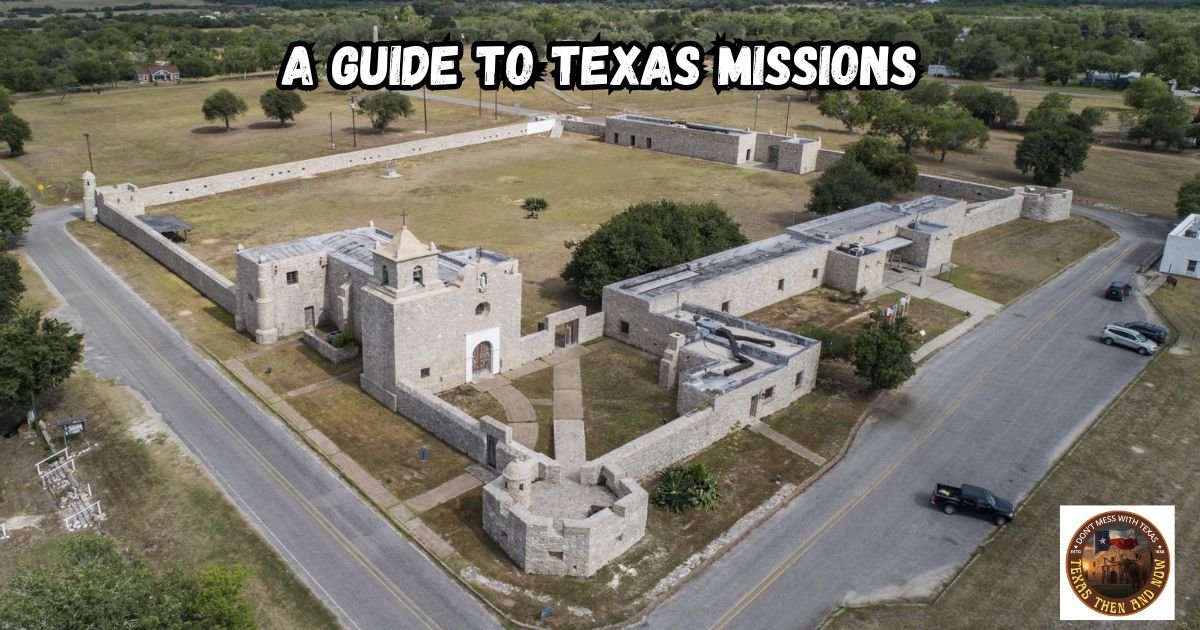
Texas missions aren’t just a chapter from an old textbook. They’re still out there, giving us a pretty awesome look into how Spain set out to build new communities and spread its culture. When I first checked out one of these missions, I was surprised to see how much history you can actually walk through, from thick stone walls to hand-painted ceilings. These missions shaped everything from language to the way people farm and build in Texas today. I’m sharing what I’ve learned so far so you can get a clearer picture of what makes these places so unique.
The Role of Texas Missions in History
Back in the late 1600s and through the 1700s, Spain was all about expanding its reach into North America. Texas wasn’t just empty land; it was the wild borderland of “New Spain,” and Spain really wanted to keep their French rivals at bay.
So, they sent over Franciscan friars, who worked with Spanish soldiers to set up missions. Besides spreading the Catholic faith, these outposts supported Spain’s claim to the region and tried to turn local Native American groups into loyal Spanish citizens.
But it wasn’t only about religion. Missions brought new farming methods, animals (think cattle, sheep, and horses), different foods, and plenty of new trades—from blacksmithing to weaving. Many of the names seen around Texas today—like San Antonio, San Juan, or Espada—originate from these mission sites. The reach and impact of these missions can still be felt in daily Texan life, from ranching traditions to place names and even to regional foods.
Key Texas Mission Regions and Standout Sites
Spanish missionaries started more than two dozen missions across Texas between 1682 and the late 1700s. Only a handful are still in good shape, but their history is really worth getting into. Here are the main regions and the missions that make them worth checking out:
- San Antonio Mission Cluster: Probably the best known, these five missions line the San Antonio River: The Alamo, Mission San José, Mission Concepción, Mission San Juan, and Mission Espada. Built between 1718 and 1731, all but The Alamo still serve as active parishes today.
- East Texas Missions: The earliest missions—like Mission Dolores near present-day Nacogdoches—were built to counter the French presence just across the border in Louisiana. Many of these didn’t last long, mostly because of tough living conditions and Native American resistance.
- Central Texas Missions: Often less famous and not as well preserved, these missions tried to settle Apache groups but struggled to stay afloat past the 1770s. They’re worth a look if you want to see the lesser-seen side of Texas mission history.
- Coastal Missions: Places like Nuestra Señora de la Luz, closer to the Gulf Coast, served both as outposts against the French and as safe spots during regional conflicts. These are pretty remote, but fantastic for folks who are into hidden history gems. You often need to plan ahead to reach these spots, but the peaceful landscapes make for a unique experience.
Daily Life and Purpose: What Missions Tried to Do
Each mission functioned almost like its own mini community, full of activity and learning. They often had tall stone walls, a central church, workshops, granaries, gardens, and living quarters. Friars lived right alongside Native families, teaching them practical skills and sharing their religion. Most missions had:
- Places to Worship: Churches with thick limestone walls, bell towers, domes, and ornate stonework. These blended both European and indigenous building styles.
- Workshops and Fields: Locals learned new trades—like blacksmithing, weaving, and carpentry—and drastically changed how food was grown and stored. For many tribes, this was their introduction to raising cattle and using acequias (irrigation canals).
- Education and Language: Friars taught the Spanish language and religion in hopes that new communities would eventually follow the Spanish Crown’s rules and settle permanently in the region.
It’s amazing how even the local TexMex food scene has been shaped by recipes and ingredients that first appeared in mission kitchens. Corn, beans, chili peppers, and newly introduced elements like wheat and beef cattle all mixed into early Texan cuisine, and you can still taste those influences today.
Why Most Texas Missions Didn’t Last
Ever wonder why so many missions faded away? Usually, it comes down to several overlapping reasons:
- Changing Borders: Once France pulled back from Louisiana and Spain decided to switch up priorities, some missions simply weren’t needed anymore.
- Native Resistance and Disease: Many Native communities didn’t want to leave behind their traditional lifestyles, and devastating European diseases led to drastic population loss.
- Secularization: In the early 1800s, Spain and then Mexico decided to shut down most missions, giving land and buildings to private owners or local governments.
Erosion, abandonment, and the Texas Revolution all contributed to the fact that only a select group of missions are still standing in decent shape today. Some were repurposed as ranches, while others slowly crumbled away, hidden by overgrown landscapes or urban development. You can still find traces of old mission walls or mission-built irrigation ditches if you know where to look, offering a secret peek into a much older Texas past.
San Antonio Missions: A Closer Look
Visit San Antonio’s Mission Historical Park, and you can walk through all five major sites on a single trip. Here’s what stands out at each one—and why they’re worth your time:
- The Alamo (Mission Valero): Most people know this site for its role in the Texas Revolution, but it actually began as a mission in 1718. Inside, you’ll see ancient stonework and interactive displays that really help make the past feel close.
- Mission San José: Known as the “Queen of the Missions,” this place features intricate baroque carvings and an original stone granary. Step through the arches, and you’ll feel like you’ve been transported to the early 1700s.
- Mission Concepción: Here you’ll find some of the oldest unrestored colonial frescoes in North America. The bold paint and crisp geometric patterns are truly next-level cool and make for a ton of great photo ops.
- Mission San Juan Capistrano: This one is more modest in size, but the peaceful gardens and open grounds give you a sense of what daily life was like for all who lived and worked there.
- Mission Espada: Recognizable for its unique curved bell tower and the still-working acequia (irrigation ditch), this mission lays claim to the oldest actively used aqueduct in the United States.
Walking between these sites, you’ll notice common elements and differences, from carved stone arches to how each parish organizes its grounds. The Mission Trail itself is a popular local attraction and a great way to soak up the atmosphere of old and new Texas right next to each other.
Legacy: How Texas Missions Shaped Modern Texas
Texas missions didn’t just vanish—they left a major legacy that still shapes the state. San Antonio’s Mission Trail links all five area missions with an eight-mile walk and bike pathway. If you’re motivated, you can see all of them in a single day.
In 2015, UNESCO designated these sites a World Heritage Site, making them the first in Texas to have that honor (World Heritage San Antonio). The mission impact can be seen everywhere. Local descendants of mission residents still live around San Antonio, festivals fill the calendar, and even the city’s architecture and street layout borrow ideas from those early mission days.
Spanish-inspired arches, walled gardens, and agricultural methods continue to influence not just San Antonio but all over Texas, from city houses to rural ranches. Even celebrations like Fiesta San Antonio owe some of their roots to the old mission calendars and traditions, blending faith, food, and community.
Your Guide to Visiting Texas Missions
If you want to check out a Texas mission or two, here are some tips you’ll want to keep in mind—for an awesome, hassle-free trip:
- All San Antonio missions, except the Alamo, are still working Catholic churches. You can attend a Sunday mass or simply take in the quiet atmosphere on weekdays.
- No entry fee is charged for most missions, and the grounds are open nearly every day (except some major holidays). The Alamo does require a free timed-entry ticket, which you can book on their official website.
- Park rangers and volunteers offer guided walking tours. Check the current schedule and tour details at the National Park Service’s San Antonio Missions visitor page.
- If you want to see all five area missions in a single day, rent a bike or plan a full-day hike along the paved Mission Trail connecting them. Bring water—it gets hot!
Outside San Antonio? East Texas and Coastal missions are well worth visiting for anyone who loves hidden history and less crowded experiences. Talk to local visitors’ centers for directions, since some sites can be hard to find, but the quiet landscapes and old stonework are well worth the road trip.
Frequently Asked Questions
What Was the Main Purpose of Texas Missions?
Texas missions focused on converting Native Americans to Catholicism and Spanish customs. They also helped Spain keep control over its frontier and encouraged permanent settlements where temporary camps once stood.
Which Mission Is the Most Famous?
The Alamo is by far the most recognized because of the legendary battle during the Texas Revolution. For beauty and historical preservation, Mission San José stands out with its ornate carvings and big, impressive buildings.
Can You Still Attend Mass at the Missions?
Yes, all San Antonio missions (with the exception of the Alamo) hold regular weekly Catholic services, and visitors are welcome.
How Many Texas Missions Survived?
Out of more than two dozen original Texas missions, only a small group are still standing—most are clustered in San Antonio. Others can be visited as ruins or archaeological sites, and a few disappeared entirely, leaving little behind except historical markers.
Is Photography Allowed When Visiting?
Absolutely. Just be respectful during service times. There are loads of cool architecture and details waiting to be captured on camera, from frescoed ceilings to beautiful stone courtyards.
Recommended Reading and Resources:
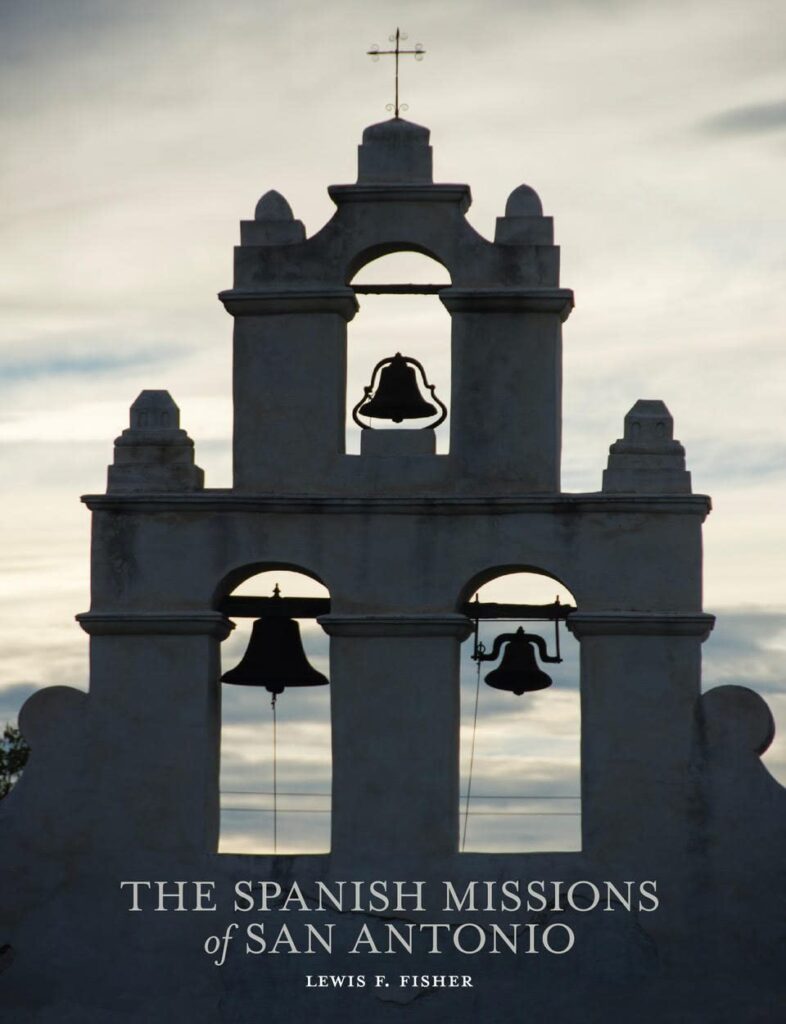

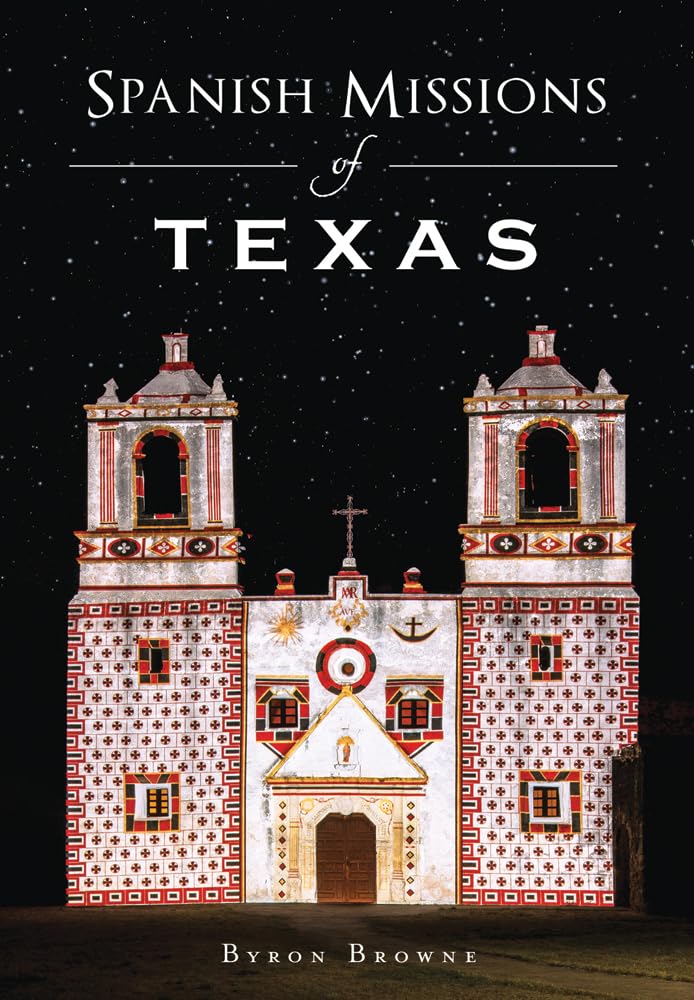
Why Texas Missions Are Still Really Important Today
Texas missions aren’t just old ruins—they’re living museums that continue shaping how Texans eat, worship, celebrate, and see their history. A visit isn’t just a lesson from centuries past, but a real encounter with Spanish colonial culture that’s still alive.
Standing inside a mission gives you a feel for the resilience and creativity that helped Texas grow into the place it is today. If you’re looking for a trip that includes history, architecture, great food, and a bit of calm walking or biking, Texas missions are a strong pick.
Bring comfortable shoes and a fully charged camera. Whether you’re snapping pictures of stone arches or sampling TexMex at a nearby cafe, you’ll come back with a deeper understanding of Texas—past and present.
Most Recent Articles:
- Texas Folklife Festival: Preserving Traditions
- Rodeo Events That Celebrate Texas Culture

- Texas Historic Cattle Drives And Cowboy Festivals
- Fiesta De La Flor: Honoring Selena And Tejano Heritage

- Battle Of Gonzales Reenactment: Preserving History
- Texas Renaissance Festival: A Historical Experience

As always, stay safe, enjoy the journey, and please try to leave Texas cleaner than you found it. If you have any comments, questions, ideas, or suggestions, please leave them in the comment section below, and I’ll get back to you ASAP. You can follow us on TikTok: @texasthenandnow or YouTube: @TexasThenandNow for videos of all things Texas.
P.S. Thanks so much for checking out our blog; we really appreciate it. Just so you know, we may receive a commission if you click on some of the links that appear on our site. This helps us keep our content free and up-to-date for everyone. We appreciate your support!
