
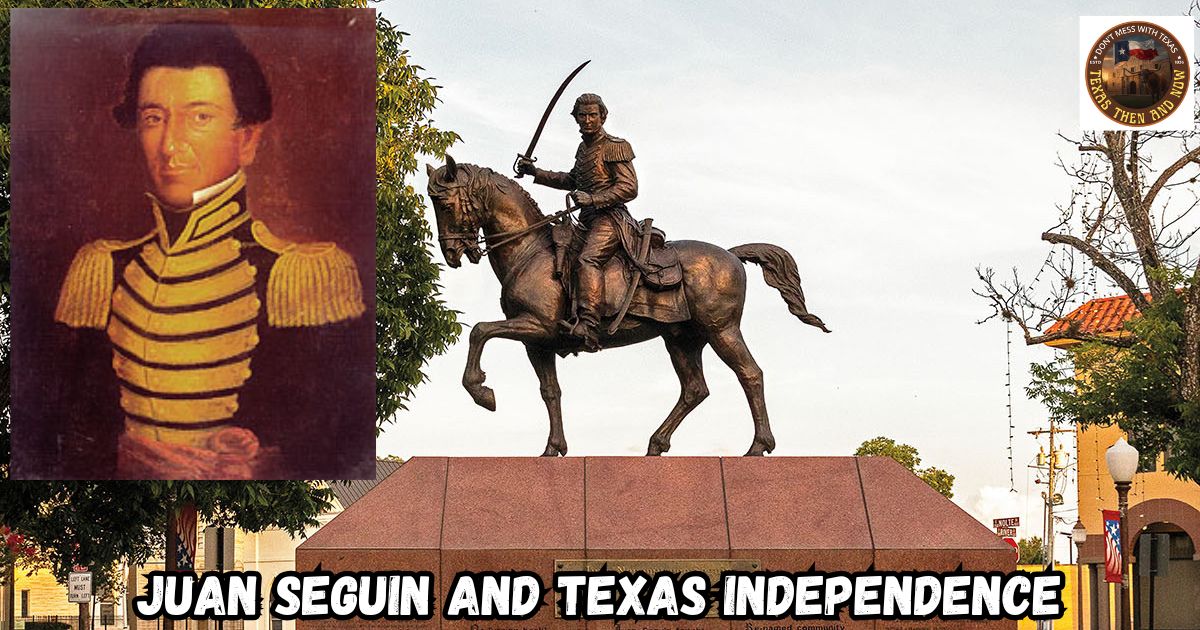
Juan Seguín’s name pops up a lot when you dig into the story of the Texas Revolution, and for good reason. As a native-born Tejano who fought for independence, led troops in battle, and later became a political leader, Seguín’s life really shows just how complicated and important the Tejano contribution to Texas actually was.
His story goes beyond the battlefield. He played a big role in the early Texas government, pushed for Tejano rights, and even faced exile despite all his sacrifices. So, here’s a breakdown of Juan Seguín’s impact on Texas independence, his military achievements, his political work, and the legacy that followed him long after the revolution ended.
The Role of Tejanos in Texas Independence
When people talk about the Texas Revolution, it’s easy to focus on famous Anglo settlers and forget the huge part Tejanos (Texans of Mexican descent) played. Juan Seguín was one of the standouts. He wasn’t just along for the ride; he actually organized Tejano support, making it clear that the fight wasn’t only about Anglo settlers, but also about locals seeking freedom from Santa Anna’s centralized control in Mexico.
Many Tejanos struggled to find their place after Texas went independent, but during the push for independence, they were on the front lines. They knew the land, the people, and the politics. Their support, especially folks like Seguín, helped legitimize the revolution as more than an outsider rebellion.
Tejanos faced a risky situation. By taking up arms against Mexico, they risked being called traitors by old countrymen, but if they did nothing, they risked losing their influence as Anglo immigrants poured into Texas. Their fight was not just about land, but about cultural survival and history as well.
Seguín’s Military Contributions: Actions That Shaped Texas
Juan Seguín hit the ground running as soon as the conflict broke out. In 1835, he organized a group of Tejano volunteers—neighbors, friends, and family members willing to risk their lives for change. Here are some key moments from Seguín’s military service that show just how invested he was in the movement:
- The Siege of Béxar: Seguín and his men joined the fight to kick General Cos’s Mexican forces out of San Antonio. Their knowledge of the city and the surrounding area really helped the Texan forces plan attacks. Without local insight, that siege would have been a lot harder.
- Courier at the Alamo: When the Alamo was under siege, Seguín was picked to carry messages for reinforcements. This move saved his life (unlike most other defenders), but it also underlines how trusted he was. Travis only sent out the people he knew could make it out and return with help.
- Rear Guard During the Retreat: During the “Runaway Scrape,” Seguín helped protect Texan civilians and Sam Houston’s army as they retreated from the Mexican advance. There’s a lot of value in someone who can not just fight, but also keep families safe while the army regroups.
- Battle of San Jacinto: Juan Seguín and his company of about 19 Tejanos insisted on being a part of the final, decisive battle. Some Anglo fighters weren’t sure they could trust the Tejanos, but Seguín proved they were all in. Their role at San Jacinto helped clinch victory and silenced doubts about Tejano loyalty.
Seguín’s group didn’t just fight at San Jacinto—they wore cardboard on their hats to distinguish themselves from Mexican soldiers, showing just how tense and dangerous those moments were. This little detail says a lot about how tough it was to fight on both sides of such a divided conflict.
After the Revolution: Leadership During a Fragile Peace
Once the battles ended, Seguín didn’t just fade into the background. He took on some pretty heavy responsibilities in the aftermath. Here’s what kept him busy once Texas had won independence:
- Military Commander of San Antonio: He managed the city in the chaotic days after the revolution, working with both Anglo and Tejano residents to restore order. He was the person tasked with giving proper burials to the Alamo’s fallen heroes, a job that carried a lot of respect as well as sadness.
- Formal Acceptance of Mexican Surrender: In 1836, Seguín accepted the surrender of a Mexican detachment in person. Roles like these show the trust early Texans placed in him, even as tensions were starting to simmer underneath the surface.
- Connecting San Antonio to the New Government: As commander, he helped Texas transition from chaos into some kind of structured government. His experience was crucial for protecting property and lives during the transition, even as political rivalries flared.
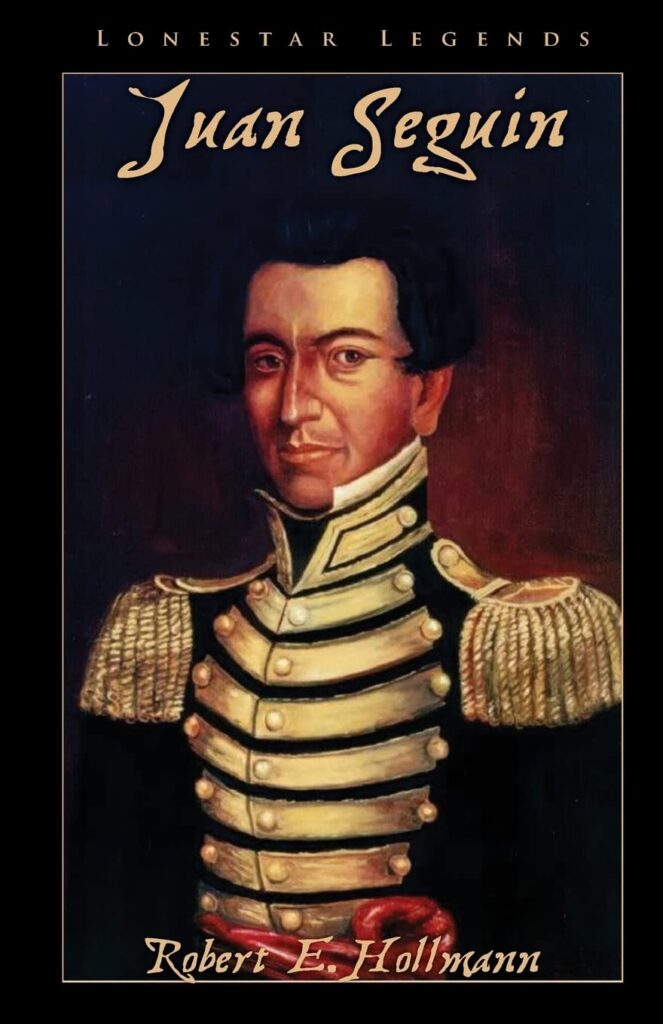
Recommended Reading and Resources:


Political Career: Champion for Tejano Rights
Juan Seguín’s footsteps didn’t end at the battlefield gates. Once Texas became its own republic, he jumped into politics. He’s best known as the only Tejano to serve in the Senate of the Republic of Texas in the late 1830s, where he constantly advocated for the rights of Mexican Texans. Some things he pushed for include:
- Publishing government documents in Spanish so all residents could stay informed.
- Defending Tejano property rights at a time when Anglo settlers and speculators were quickly trying to grab land.
- Promoting laws that respected both cultures, Anglo and Tejano, in early Texas society.
- Working to get more Tejanos a seat at the political table and challenge discrimination in public service.
Seguín even became the mayor of San Antonio for a short time. He worked to keep San Antonio inclusive for all of its residents, but this job eventually set him up for bigger challenges as anti-Tejano sentiment started to grow. At a time when San Antonio was changing fast, Seguín’s efforts to protect traditional land ownership and culture put him on a collision course with new arrivals.
Trouble on the Horizon: Ambush, Exile, and Forced Service
Things took a tough turn for Seguín as the 1840s rolled on. Land was getting more valuable, and many new settlers didn’t want Tejano leaders like him standing in the way of their claims:
- Resignation Under Pressure: As mayor, Seguín got squeezed between new settlers and longtime Tejano families. His push for fairness didn’t go over well with everyone, leading to accusations of disloyalty and eventually pressure to step down.
- Threats and Exile: After multiple threats, Seguín fled to Mexico in 1842, fearing for his life and his family’s safety. He later described himself as a “foreigner in my own land,” a pretty heartbreaking twist for someone who risked everything for Texas freedom.
- Press-Ganged Into the Mexican Army: While in Mexico, Seguín was forced to serve in the Mexican Army during the U.S.–Mexican War. This is a wild, really sad flip for someone who had fought on the Texan side just a few years earlier.
Seguín’s time in exile drove home the lasting challenge of belonging and loyalty. Many Tejanos shared similar stories: trusted during war, but targeted and doubted in peacetime. His letters from exile show his pain and frustration as he tried to clear his name and return home. Eventually, after much persistence, Seguín received permission to come back to Texas, but by then, San Antonio had changed.
Legacy: How Juan Seguín is Remembered Today
For a long time, Seguín’s contributions got downplayed or overlooked, partly because his later years weren’t wrapped up in a neat patriotic story. As Texas evolved, people began to look back and recognize what Tejano leaders did to make independence possible.
The city of Seguin, Texas, carries his name, and there are monuments and schools dedicated to him. For many, Seguín came to symbolize both the hope and heartbreak of the Texas Revolution: He helped found a new nation but paid for it with his own sense of home and belonging.
His letters and memoirs are still referenced by historians trying to understand what really happened during Texas’s early years. You can check out places like the Texas State Historical Association for a deeper look at his impact and the broader Tejano experience (TSHA Seguín Biography).
In recent years, there’s been a renewed effort to teach kids and adults alike about the role of Tejanos like Seguín. Many historical sites now include exhibits on Tejano contributions, giving a boost to understanding the diverse roots of Texas identity. The story is a reminder that state and national histories are made up of many stories, not just one.
Key Takeaways from Seguín’s Life for History Buffs
Juan Seguín’s story offers plenty of real-world lessons. Here’s what sticks with me after reading about him:
- People closest to the land and community (like Tejanos) can have the biggest stake in any movement for change.
- Personal sacrifice isn’t always rewarded right away. Sometimes, it takes years—or even generations—for others to appreciate someone’s efforts.
- History is rarely black and white. Leaders like Seguín worked hard for Texas but had to deal with being viewed as outsiders in their own country after independence.
- Staying sharp about who has a voice in history is important because some stories almost slip away. Seguín’s perseverance makes him a name worth remembering.
Common Questions About Juan Seguín and the Texas Revolution
Was Seguín at the Alamo when it fell?
He was a defender at the start of the siege, but he left as a courier to rally more support. That mission saved his life, but he deeply felt the loss of friends and comrades who didn’t make it out.
What made Seguín unique compared to other Texas Revolution leaders?
He was a Tejano, born and raised in Texas, and he worked to unite Anglo and Tejano communities, both on the battlefield and in the new government. Not many leaders could bridge those divides.
Did he ever return to Texas after exile?
Yes, Seguín eventually came back home and spent his later years in Texas. He never really got the recognition in his lifetime that he probably deserved, but his legacy grew over time.
Is Seguin’s story taught in schools now?
More teachers are starting to include stories of Tejano leaders like Seguín in their lessons, especially as Texas looks at its multicultural roots. Museums and heritage centers are helping get the word out about his impact.
Reflections on Seguín’s Impact and Today’s Lessons
Learning about Juan Seguín isn’t just about memorizing battle names and dates. His actions speak to the challenges and sometimes heartbreak that come with fighting for independence and building something new. His story pushes us to see that Texas history is bigger than legends.
It’s about people who cared enough to risk everything, even if the rewards didn’t arrive right away. His work still shapes conversations on identity, belonging, and justice in Texas today, especially as more people recognize how vital Tejano voices were from the very start. Staying sharp and open to all sides of history helps us appreciate how complex—and inspiring—the past really is.
Most Recent Articles:
- Texas Folklife Festival: Preserving Traditions

- Rodeo Events That Celebrate Texas Culture

- Texas Historic Cattle Drives And Cowboy Festivals
- Fiesta De La Flor: Honoring Selena And Tejano Heritage

- Battle Of Gonzales Reenactment: Preserving History
- Texas Renaissance Festival: A Historical Experience

As always, stay safe, enjoy the journey, and please try to leave Texas cleaner than you found it. If you have any comments, questions, ideas, or suggestions, please leave them in the comment section below, and I’ll get back to you ASAP. You can follow us on TikTok @texasthenandnow or YouTube @TexasThenandNow for videos of all things Texas.
P.S. Thanks so much for checking out our blog; we really appreciate it. Just so you know, we may receive a commission if you click on some of the links that appear on our site. This helps us keep our content free and up-to-date for everyone. We appreciate your support!;
